

















































Coenzyme Q10, commonly called CoQ10, is an antioxidant produced in the body. It boosts cellular energy and may enhance the immune system. Additional Coenzyme Q10 is obtained through food and supplementation. It is beneficial in the prevention and treatment of certain cardiovascular diseases and a wide range of other health problems.
Coenzyme Q10
Coenzyme Q10 (ubiquinone/ubiquinol), or CoQ10, is a fat soluble, powerful antioxidant that is found in cell membranes throughout the body, especially the heart, kidneys, lungs, spleen, liver, adrenal glands, and the pancreas. It is involved in the biochemical activity that powers the ATP production cycle, which fuels cellular energy. Although the body can synthesize CoQ10, it stores only about 500 to 1,500 mg, according to an article by Hans R. Larsen published in the February 2008 edition of the "International Journal of Alternative and Complementary Medicine."
Reasons To Use Coenzyme Q10
Research suggests that CoQ10 is beneficial in preventing and treating heart disease, according to Larsen, because it improves cellular energy production, inhibits blood clot formation, and has an antioxidant effect. It is used to treat heart failure, cardiomyopathy, and several studies suggest that it may lower blood pressure. It is used to prevent heart attacks and for recovery. Some research suggests that statin drugs may interfere with the body's production of CoQ10, so supplementation may be necessary. Supplementation may improve blood sugar and help manage elevated cholesterol and blood pressure in diabetics. Several studies suggest that CoQ10 may play a role in preventing chemotherapy related heart damage, according to Larsen. Lower levels of CoQ10 have been found in people with Parkinson's disease. In several small clinical studies CoQ10 supplements caused faster healing and tissue repair in people with gum disease. Other preliminary studies suggest that CoQ10 may improve immune function in people with immune deficiencies, increase sperm motility, reduce stroke damage, boost athletic performance, improve physical activity associated with chronic fatigue syndrome, improve exercise tolerance in people with muscular dystrophy, help tinnitus symptoms, and help delay the aging process, according to the University of Maryland Medical Center.
Food Sources
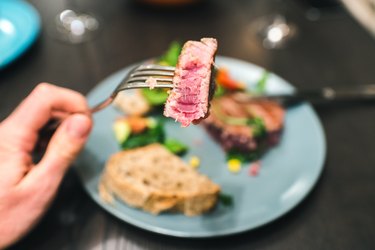
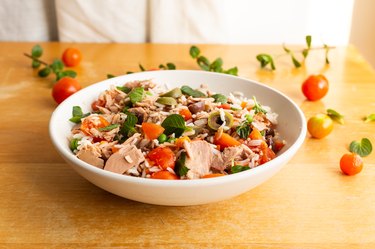
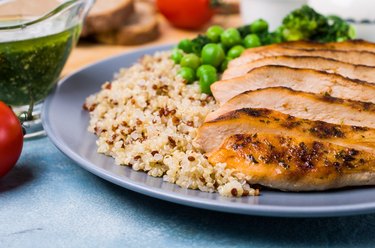
CoQ10 is found in many foods. According to the American Heart Association, primary dietary sources include oily fish like salmon and tuna, organ meats like liver, and whole grains. Heart, liver, and kidney are especially rich sources as are beef, soybean oil, sardines, mackerel, and peanuts. Most people can get enough CoQ10 through a balanced diet, but people with certain health conditions or people who are taking certain medications that lower CoQ10 levels might require supplementation.
Low Levels of Coenzyme Q10
Levels of CoQ10 in the body naturally decrease with age. Although the body can synthesize CoQ10 and takes in additional quantities through food, the amount of CoQ10 in the body peaks at about age 20 and declines fairly rapidly after that. The decrease in CoQ10 concentration in the heart is especially significant. A 77-year-old will have 57 percent less CoQ10 in the heart muscle than a 20-year-old, according to Larsen.
Supplementation with Coenzyme Q10
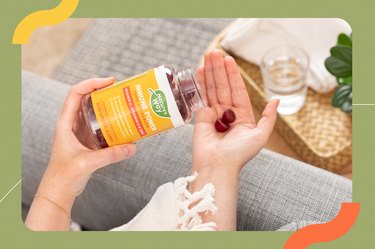
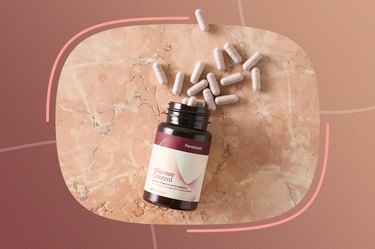
Taking oral CoQ10 supplements will increase the levels in the body. For adults over 18 the usual daily dose is 50 to 1,200mg taken in divided doses. For gum disease, the dose is 85 mg per ml of soybean oil suspension applied to the surface of affected areas once a week. There is not enough information to recommend safe use of CoQ10 for children or during pregnancy or lactation and CoQ10 supplementation may affect sperm, according to the National Institutes of Health online publication MedLine Plus. Because CoQ10 is fat-soluble it should be taken with a meal containing some fat or, ideally, in combination with soy or vegetable oil which enhances its absorption. It is available as a soft gel capsule, an oral spray, a hard shell capsule, and as a tablet.
Side Effects and Warnings
Few serious side effects have been reported with CoQ10 supplementation. When they occur they are usually mild, last for a short time, and do not require treatment. Possible side effects include headache, irritability, dizziness, nausea, vomiting, upset stomach, heartburn, decreased appetite, diarrhea, itchy skin, rashes, insomnia, eyes that have increased sensitivity to light, fatigue, and flu-like symptoms. CoQ10 may lower blood sugar levels and increase the risk of bruising or bleeding from lower platelet counts. It may also decrease blood pressure and lower blood levels of cholesterol or triglycerides. It may interact with antiretroviral or antiviral drugs and have additive effects with other herbs and supplements.


Member Comments