If your goal is to lose 40 pounds, it'll take commitment and planning. Time, too.
That's because losing weight gradually helps ensure it stays off. Plus, losing weight too rapidly can lead to muscle loss and fatigue. A safe goal is to lose between 1 to 2 pounds a week, per the Mayo Clinic.
Video of the Day
Video of the Day
Ready to get started? These tips will help you safely and sustainably lose 40 pounds within a realistic timeframe.
Tip
You'll want to aim to lose no more than 2 pounds each week. That means it will take about five to six months to lose 40 pounds.
Talk to your doctor before starting any weight-loss plan. With their help, you'll be able to come up with a safe diet plan that includes plenty of nutrient-rich, low-calorie foods such as fruits, vegetables and whole grains.
1. Check in With Your Doctor
Before starting any weight-loss plan, check in with your doctor or health care provider, says Sylvia Gonsahn-Bollie, MD, founder of EmbraceYOU Weight & Wellness. Your doctor will be able to order lab tests and assess your overall health. "You want to make sure there's no other cause for your weight gain," she says.
Plus, before you begin your weight-loss journey, "you'll also want to know what your measurements are, and if you have access to body fat measurement, doing that percentage measurement is important," Dr. Gonsahn-Bollie says.
Your doctor or health care provider can help you take these measurements.
2. Create a Calorie Deficit
A large component of successfully losing weight is eating in a calorie deficit. That means you're burning more calories than you're taking in each day.
"It's all about expending more energy than you're consuming," Dr. Gonsahn-Bollie says.
Cutting calories doesn't mean cutting out nutrients or meals altogether. After all, your body needs calories to fuel it and function every day. Instead, the goal is to opt for a diet filled with nutrient-rich, low-calorie foods such as fruits, vegetables, whole grains, lean proteins and low-fat dairy.
"I like to follow the C's — clean, complex carbohydrates and consistency in eating at least 50 percent plant-based foods," Dr. Gonsahn-Bollie says.
Eating smaller portion sizes and limited high-calorie, nutrient-poor foods can help with weight-loss goals, according to the Mayo Clinic. Increased activity can help you burn more calories, too (more on the role of exercise in a moment).
3. Eat a Hearty Breakfast Each Morning
Breakfast starts off your day, so aim to have a meal full of nutrients that makes you energized for the day.
"Use your food as your fuel, meaning you're using it to fuel any activities you're doing," Dr. Gonsahn-Bollie says.
Make this meal a priority on your weight-loss plan. Skipping breakfast may seem like an easy way to jump-start your weight loss, but it may ultimately lead to extreme hunger, overeating and weight gain.
4. Get More Fiber
Dietary fiber is a key nutrient that helps support a healthy diet and weight.
Fiber has other health benefits, too, like lowering your risk of diabetes, heart disease and some types of cancers, according to the Mayo Clinic.
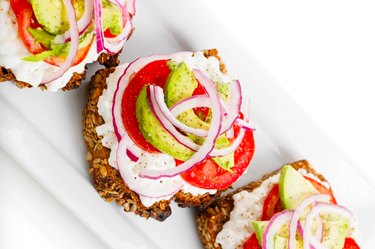
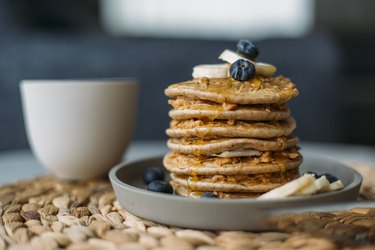
High-fiber foods include fruits, vegetables, legumes and whole grains. A high-fiber diet is good for weight loss because these foods are typically more filling, take longer to digest and are less energy-dense, per the Mayo Clinic. The result: You'll tend to take in fewer calories while feeling satisfied for longer.
5. Prioritize Protein
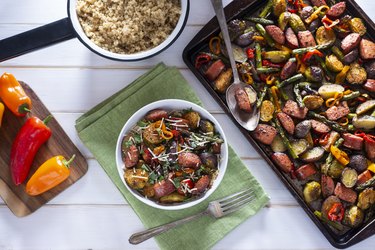
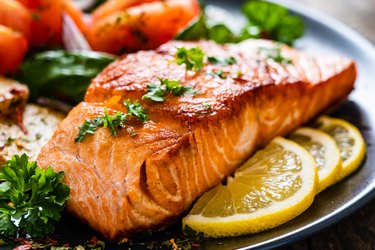
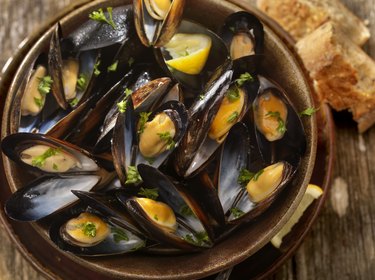
If your goal is weight loss, it makes sense to prioritize protein on your plate. It's the most satiating macronutrient, according to the National Academy of Sports Medicine (NASM).
Protein helps you feel full, while also requiring more energy to metabolize and increasing satiety (i.e. fullness) hormones, per an April 2015 paperin the American Journal of Clinical Nutrition.
The amount of protein you need depends on your age, sex, health and level of physical activity. If you're trying to lose weight, consider aiming for somewhere between 1.6 and 2.2 grams of protein per kilogram of body weight (that's between 0.73 and 1 grams per pound), per NSAM. So, for example, if you weight 200 pounds, aim for between 146 and 200 grams of protein each day.
Make protein a primary part of your plate for each meal instead of fat and carbohydrates (the other two macros).
"The classic American diet is very high in carbohydrates," Dr. Gonsahn-Bollie says. "At least 40 percent of your intake should be protein. And for most people for weight loss purposes it will be 40 to 50 percent of protein."
6. Snack Strategically
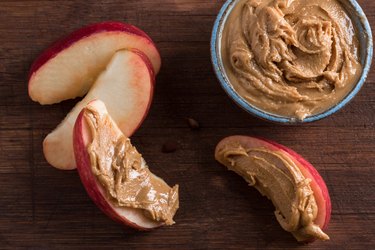
Snacking tends to get a bad rap, but it can be a weight-loss tool if done strategically. Done right, snacks can help manage your hunger and keep your appetite in check to avoid overeating later on.
Here's what to keep in mind:
- Choose snacks wisely. Small snacks that increase nutrients for the day can be a good opportunity to squeeze in extra fiber, protein or micronutrients. On the flip side, a snack that consists of highly processed food items like potato chips, cookies or a candy bar doesn't offer the types of nutrients that will keep you feeling satisfied and full.
- Balance snacking and meals. "If you're a big snacker, make sure to offset your meals. Maybe try to have small meals to go with the snacks," Dr. Gonsahn-Bollie says.
- Consider why you're eating. "Know why you're snacking," Dr. Gonsahn-Bollie says. "Are you actually hungry? Are you stressed or bored? Get clear about why you're eating." Keep in mind that a snack craving can often be confused with the body signaling for more nutrients. "If you're typically craving salty snacks, that usually means you need more water," Dr. Gonsahn-Bollie says. "Sometimes people confuse thirst for hunger."
- Limit late-night snacking. Late-night cravings are also a common reason for weight-loss setbacks, Dr. Gonsahn-Bollie says. Snacking late in the evening may increase hunger while you're awake, as well as increasing the risk of obesity, per a September 2022 paper in Cell Metabolism.

A Sample Meal Plan to Help You Lose 40 Pounds
This meal plan can give you an idea of what to eat to achieve your weight-loss goals:
Breakfast
Choose one of the following:
- Veggie Omelet: 358 calories and 18 grams of protein per serving, from Feel Good Foodie
- Chorizo Breakfast Casserole: 459 calories and 28 grams of protein per serving, from the blog The Endless Meal
- Strawberry Quinoa Parfait: 269 calories and 12 grams of protein per serving, from the blog Eating Bird Food
Lunch
Choose one of the following:
- Turkey Chili: 275 calories and 19 grams of protein per serving, from the blog Tastes Better from Scratch
- Easy Mediterranean Orzo Salad: 255 calories and 7 grams of protein per serving, from the blog Eating Bird Food
- Tuna Salad Wrap: 501 calories and 26 grams of protein per serving, from the blog Chelsea's Messy Apron
Dinner
Choose one of the following:
- Crispy Salmon with Indian Spices and Jeweled Rice: 653 calories and 41 grams of protein per serving, from Dishing Out Health
- One-Pan Balsamic Chicken and Veggies: 272 calories and 23 grams of protein per serving from the blog I Heart Naptime
- Mushroom Fried Rice: 425 calories and 15 grams of protein per serving, from the blog Dishing Out Health
Optional Snacks
- Roasted Red Pepper Hummus: 196 calories and 6 grams of protein per serving, from the blog Little Sunny Kitchen
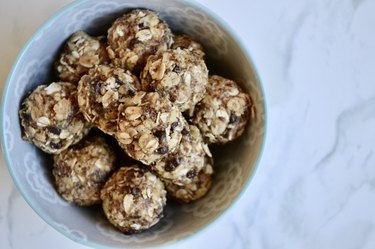
- No Bake Granola Bars: 165 calories and 2 grams of protein per bar, from the blog Tastes Better from Scratch
- Blueberry Chia Smoothie: 450 calories per serving and 33 grams of protein per serving, from the blog Love and Zest
Don't Forget About Exercise
While making good food choices is a primary part of weight loss, so too is consistent exercise and activity.
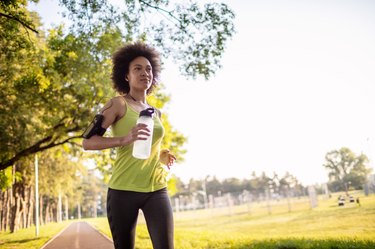
By exercising, you'll increase the number of daily calories you burn, supporting your calorie deficit efforts. Plus, physical activity is important for your overall health — it can reduce the risk of heart disease, diabetes, high blood pressure and other chronic illnesses, according to the Centers for Disease Control and Prevention (CDC).
Aim for at least 150 minutes of moderate-intensity aerobic activity or 75 minutes of vigorous-intensity activity each week, per the CDC.



- Mayo Clinic: "Counting calories: Get back to weight-loss basics"
- Mayo Clinic: "Dietary fiber: Essential for a healthy diet"
- National Academy of Sports Medicine: "Protein and Weight Loss: How Much Protein Do You Need to Eat Per Day?
- American Journal of Clinical Nutrition: "The role of protein in weight loss and maintenance "
- Cell Metabolism: "Late isocaloric eating increases hunger, decreases energy expenditure, and modifies metabolic pathways in adults with overweight and obesity"
- Eating Bird Food: "Strawberry Quinoa Parfait"
- Eating Bird Food: "Easy Mediterranean Orzo Salad"
- Dishing Out Health: "CRISPY SALMON WITH INDIAN SPICES AND JEWELED RICE"
- Feel Good Foodie: "Veggie Omelet"
- Tastes Better from Scratch: "No Bake Granola Bars"
- Little Sunny Kitchen: "Roasted Red Pepper Hummus"
- The Endless Meal: "Chorizo Breakfast Casserole"
- Chelsea's Messy Apron: "Tuna Salad Wrap"
- Love and Zest: "Blueberry Chia Smoothie"
- Dishing Out Health: "Mushroom Fried Rice"