



































4 Ways to Eat Smaller Meals to Prevent Acid Reflux
1. Avoid 3 Square Meals a Day
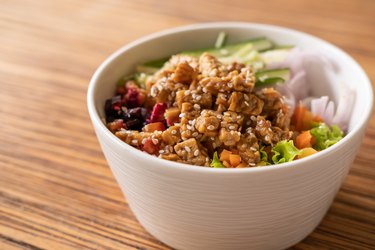
When you have acid reflux, you should avoid relying on 3 square meals a day for your caloric intake. Ideally, you want to eat as many as 5 or 6 smaller meals each day to help prevent acid reflux symptoms. If you consume larger portions, your digestive system must work harder and create more stomach acid. The stomach acid then works its way up into the esophagus, causing the burning and irritable sensations associated with GERD. When you eat small meals 5 times a day, less acid is produced. You may then notice a reduction or elimination in the severity of your symptoms.
2. Eat Smaller and Healthier Portions
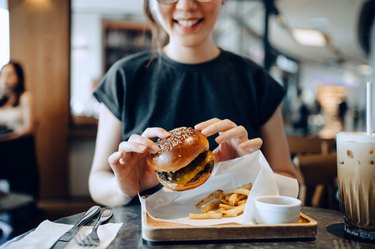
If you eat large meals throughout the day, the foods included in your entrees may contain a high fat content. High fat foods have a tendency to remain in the stomach and take a much longer time to digest than lower fat menu selections. You should instead snack on smaller portions throughout the day with items low in fat and high in complex carbohydrates. Whole grain breads, pastas, and rice can aid digestion and reduce the acid reflux symptoms experienced by the patient. Although you'll want to eat smaller meals, try to avoid snacking throughout the day. Your meals should still contain nutritious food items and be free of any trigger foods, like spicy meals and fast food.
3. No Drinking
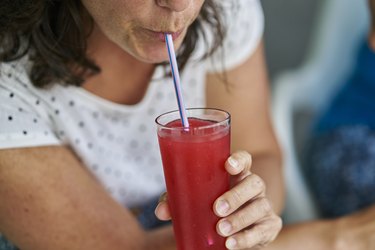
To keep your meal small and reduce acid production, you should avoid consuming beverages at meal times. Certain beverage selections, like beer and liquor, can stimulate the acid in your stomach and cause a flare up of symptoms. Alcohol can relax your esophagus and cause the acid to easily make its way up into the esophagus. Also, drinks with caffeine can affect your acid reflux as well. Keep your meals small by eliminating any beverages besides water. When you do drink other types of beverages, try not to consume them an hour before or after meals.
4. Time Your Small Meals
Although you should only eat small meals on an acid reflux diet, you still need to spend time planning them out. You should try to put at least 3 hours between each meal in order to give yourself enough time to digest the food. When you do eat, chew slowly and take your time consuming the meal. Stay upright after eating and allow yourself some time to sit and relax after the meal to aid digestion.


Member Comments
Be the first to post a comment.