



































































What Are the Effects of Low Blood Oxygen Levels?

What Are the Effects of Low Blood Oxygen Levels?
Photo Credit oxygen cylinder image by JASON WINTER from Fotolia.com

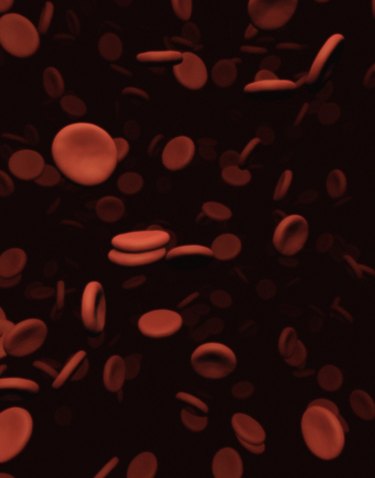
Oxygen is an essential element for the human body to function normally. When you breathe in, the oxygen travels through your lungs and into the blood stream, where red blood cells pick it up to distribute it throughout the body. Poor air intake, poor blood flow and deficiencies in red blood cells can cause the oxygen levels in your blood to decline. This can cause a range of problems, from shortness of breath with activity to pathological changes to the heart and lungs.

Shortness of Breath

Shortness of breath is common sign of poor oxygenation of the blood, according to the Mayo Clinic. This can worsen with exercise--even slight exertion. Some people experience shortness of breath at rest, which is a signal to see your doctor. People who have sleep apnea often complain of waking up with shortness of breath. These people will often have low blood oxygen levels, especially at night, because this disorder results from partial airway obstruction during sleep. That means people are not taking in as much air as they need for good health.

Polycythemia

Another effect of poor oxygenation of the blood is secondary polycythemia. This means that your bone marrow is putting extra red blood cells into your blood stream to try to get more oxygen into all parts of the body, according to the online Merck Manual. While not as serious as polycythemia vera, secondary polycythemia can lead to headaches, fatigue, visual problems and other signs of thromboembolytic disorders.

Pulmonary Hypertension and Cor Pulmonale

High altitudes and chronic lung diseases that decrease blood oxygen levels are among the causes of an increase in pressure in the pulmonary artery---the one that carries the blood from the heart to the lungs. This is called pulmonary hypertension, according to the American Heart Association. When this happens, the right side of the heart must work harder. Over time, according to the National Library of Medicine, these heart muscles weaken--a condition called cor pulmonale, which can lead to heart failure. Besides fatigue and shortness of breath, some signs of cor pulmonale are chest discomfort and swelling of the feet and ankles.

Cyanosis

Skin gets its healthy color from the oxygen carried by the red blood cells. Low blood oxygen levels cause the skin around the mouth or fingernails to appear bluish. This condition, called cyanosis, can signal to your health care provider that you do not have adequate oxygenation in your blood.

References

Article reviewed by Glenn Singer Last updated on: Mar 10, 2011

Must see: Photo Galleries