
































What are Phytosterols for Cholesterol Lowering?

What are Phytosterols for Cholesterol Lowering?
Photo Credit pistachios 2 image by James Lewis from Fotolia.com

More than 20 million Americans take prescription drugs to lower their cholesterol. The most common cholesterol-lowering drugs are statins. Though statins are clinically effective in lowering cholesterol, they are expensive and may produce uncomfortable side effects. An alternative approach to lowering cholesterol is to add phytosterols to your diet.

Significance

Cholesterol is a waxy substance found in the bloodstream and every cell in the body. The body needs a certain level of cholesterol to maintain healthy cell membranes and balanced hormones. Total cholesterol is made up of a number of components including low density lipoproteins (LDL) and high density lipoproteins (HDL). LDL is referred to as the "bad" cholesterol, as it can build up in your arteries. Lowering your LDL may help reduce your risk of a heart attack or stroke. The American Heart Association recommends that total cholesterol be less than 200mg/dL (milligrams per deciliter of blood).

Function

Phytosterols, also called plant sterols and stanols, are found in a wide variety of foods, supplements, and fortified foods. Phytosterols work to block the absorption of cholesterol in your intestines and lower the amount of cholesterol in your blood. Examples of phytosterols are beta-sitosterol, stigmasterol and campesterol.
The efficacy of phytosterols in reducing cholesterol was published by the "National Medical Journal of India," which noted, "Current evidence suggests that properly solubilized plant sterols or stanols incorporated in ester or free-form in various food formulations effectively restrict the absorption of both dietary and biliary cholesterol causing 10 to 14 percent reduction in serum LDL cholesterol in normal, hyperlipidaemic and diabetic subjects."
An article in "US News and World Report" states that it is possible to lower LDL by 15 percent by consuming a daily serving of 2g of plant sterols.

Sources

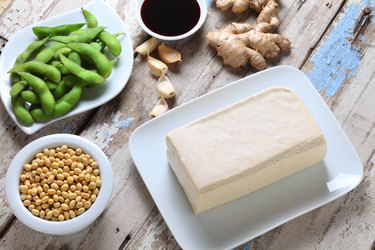
According the Linus Pauling Institute at Oregon State University, foods with the highest naturally occurring levels of phytosterols are whole grains, legumes, nuts, seeds and unrefined oils including nut, olive and vegetable oils.
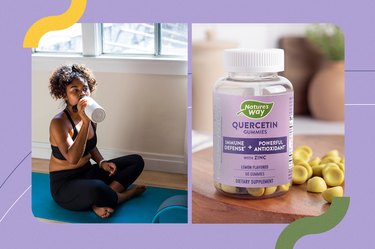
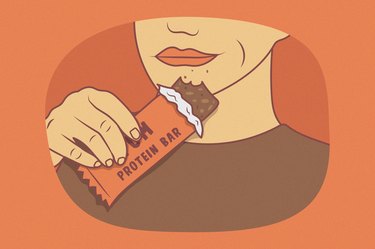
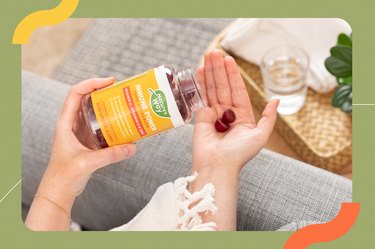
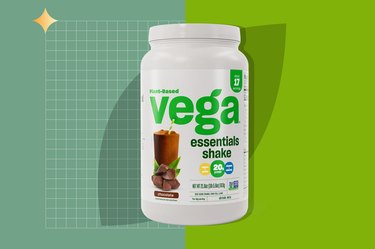
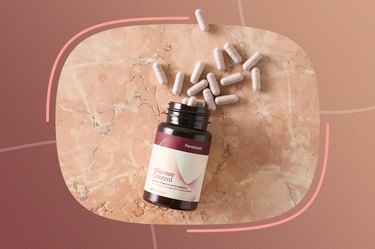
Foods enriched with phytosterols are also available. Most common foods are margarine, mayonnaise, yogurt, soy milk, snack bars and vegetable oils. Phytosterols are also sold in supplement form.

Research

In a study reported in "Science Daily," the cholesterol-lowering properties of phytosterol-rich pistachios was explored. After two weeks, participants who consumed 3 oz. of pistachios a day had a reduced total cholesterol level of 8.4 percent and reduced LDL by 11.6 percent.
The March 1, 2010 issue of the "American Journal of Cardiology" reported the efficacy of red yeast rice supplements for lowering cholesterol. Red yeast rice, a dietary supplement which contains phytosterols, was tested in a group of 25 patients unable to tolerate statins. After four weeks, their total cholesterol decreased by 13 percent and LDL by 19 percent.

Considerations

The FDA permits the Phytosterol Heart Health Claim on food labels providing that the foods are low in saturated fat and cholesterol and that the product contains at least 0.4g of plant sterols per serving.

References

Article reviewed by Elizabeth Ahders Last updated on: May 7, 2010

Must see: Photo Galleries