






















1. Prevention First
Rowing is very hard on the back. More lower back injuries are reported from rowing than other body part. Upper arm kinks are nothing compared to a lower back strain. In order to protect your back, you need to learn and follow proper rowing form. Techniques such as keeping your head straight and pulling the oars evenly are vital to know before rowing for any distance. Cross training should include both aerobic and strength exercises. Strengthen your core to best protect your back. Nothing beats crunches for strengthening the core. Strong ab muscles will be your best defense against back strain. Add twisting to your crunches and sit-ups to strengthen the side oblique muscles groups.
2. Cool Down and Stretch it Out
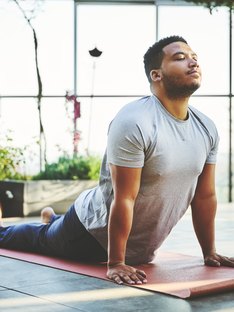
When you are nearing the end of your rowing trip or time on the rowing machine and you start to feel some pain in your lower back, keep rowing for a while. Keep the paddles steady but slow it down. If you're doing 20 paddles a minute, ease off to ten, then five. The point is not to shock your muscles into sudden tightening. Walk around when you get out of the boat or off the machine. Moving your legs will also pull slightly on your lower back muscles and continue to keep them warm. Stop to stretch when you are done walking. Begin with standing stretches. Put a hand on each hip and bend to all four corners. Hold the stretch for 10 to 20 seconds and do not bounce. Push off against a wall to stretch the backs of your legs. Then lie on the ground and pretend that you are on a rack. Reach with your hands above your head and push with your feet up, and then again with your toes pointed.
3. Heat and Massage Therapy
If you don't feel enough relief from the cool down and stretching, lie still with a heating pad on your lower back for 30 minutes. Find a good sports massage therapist to work your muscles. Sports therapists understand the relationship of the muscles that are used in specific sports and often can treat a sports injury better than a general massage therapist.
4. Think About Rowing Again
Avoid sitting for long periods of time as you recover. If your back pain lasts longer than a week, then you should see a doctor to get treated for it. At least get an x-ray to see if you have any permanent damage. People with prior back problems and who have a tendency to strain their backs often should maybe consider another sport other than rowing.


