

























































The daisy-like herb arnica (Arnica montana) appears in numerous products designed to ease aching muscles, bruises and sprains. Arnica boasts several cosmetic applications as well. Buy store-bought ointments and tinctures containing arnica, or make your own by including arnica in your medicinal herb garden, where it will add cheerful color as well as therapeutic value. The German government's respected Commission E approves arnica for topical applications relating to injury, insect bites, and mouth and throat inflammation.
Origin
Named after its habit of living in mountainous regions, Arnica montana hails from European peaks. Both European and Native American healers discovered arnica's healing powers at least five centuries ago, according to the University of Maryland Medical Center (UMMC). Herb Companion magazine notes the herb often came in handy just where it grew, because European hikers used it to treat the wounds of sprains associated with mountain climbing. Its various German nicknames--including wound herb, fracture herb, fall herb and "stand up and go home"--attest to its trail usefulness. The first known documentation of arnica's medicinal properties appears in writings by the Italian physician Matthiolus in 1626.
Medicinal Uses
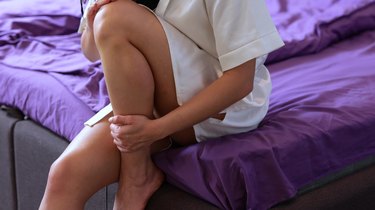
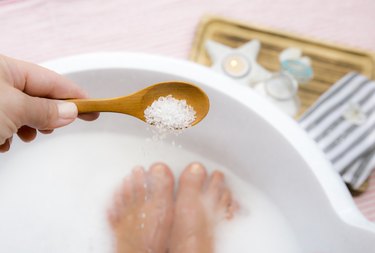
Use homemade or store-bought arnica tinctures and salves to ease the pain of sprains, bruises, sore muscles, aching joints, tired feet and inflamed skin. "Arnica is drawn to muscle tissue and blood vessels. Since a bruise is essentially broken blood vessels, arnica is able to get right to the source and speed healing," notes Yoga Journal online. Apply tinctures to skin through poultices or compresses. UMMC recommends diluting tinctures in water at a rate of 1 part arnica tincture to 3 to 10 parts water. Rub ointments and salves directly onto problem areas. Salves and creams should contain no more than 15 percent arnica oil, made by infusing 1 part arnica flowers in 5 parts carrier oil.
Cosmetic Uses
Herbalist Jeanne Rose suggests making an infusion of arnica flowers and nettle tops for use as a hair rinse. To combat thread veins or spider veins, Rose recommends applying compresses soaked in the tincture of arnica, perhaps combined with tinctures of comfrey, coltsfoot, witch hazel or marigold. Some doctors suggest products containing arnica after plastic surgery to reduce post-operative inflammation and bruising.
Plant Description
Standing between 1 and 2 feet tall, arnica flowers feature a daisy-like shape with yellow centers and yellow flowers. The leaves are hairy and grow in rosettes.
Growing and Harvesting
The flowering herb grows best in acidic, sandy soil; add sand and garden lime to the arnica patch if necessary. Plant arnica where it receives at least six hours of sun each day. Infuse the flowers in a carrier oil and thicken with beeswax to make healing salves. Alternatively, prepare a tincture by chopping 8 oz. of the fresh flowers and putting them in a jar with 2 ½ cups vodka or brandy. (Alcohol should be at least 70 proof.) Steep the mixture in a warm place for at least two weeks, strain and bottle. Use tincture and salves in topical applications only.
Side Effects
While homeopathic practitioners sometimes prescribe internal use of arnica in small and extremely diluted quantities, amateur herbalists should avoid taking the herb orally. UMMC reports few side effects associated with topical applications, save for some reported cases of topical dermatitis in those allergic to arnica. Do not apply to open wounds or broken skin.
References
- University of Maryland Medical Center: Arnica
- Herb Companion: Arnica Montana: Natural Magic
- Yoga Journal: Sore Muscle Soothers
- "Herbal Body Book"; Jeanne Rose; 2000
- PubMed: Plastic Surgery Arnica Study


Member Comments