





















































Stress and anxiety are almost inescapable aspects of being human. There are numerous different problems, such as jobs, finances, education and family, that can cause stress and anxiety of various levels. Moderate amounts of stress and anxiety are easily managed by most people, but high levels of stress can be crippling, causing panic attacks, headaches and making it difficult to sleep straight through the night. Fortunately, there are ways to treat this problem.
Rhythmic Breathing
Taking deep and consistent breaths can help provide more oxygen to your blood, which helps calm your body and relieve stress and anxiety within minutes, according to Reader's Digest. Taking shallow breaths can deplete the body of oxygen, increasing heart rate and anxiety in the body, but this is easily corrected through purposeful breathing. The best method of deep breathing begins by placing your hand on your stomach just below the bellybutton--this is where the diaphragm is located. Inhale slowly through the nose to help regulate the pace of your breath, focusing on your hand as it moves outward with the expansion of your stomach. Hold your breath for a second, then release and exhale slowly. Do this multiple times until you experience an improved sense of calm.
Schedule Stress Time
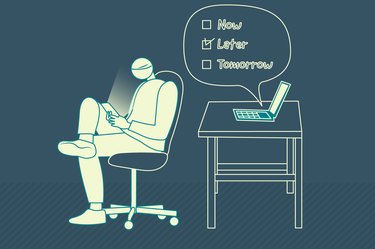
When you have multiple things to worry about floating in and out of your head throughout the day, it can hamper you as a distraction while building up stress and anxiety. An effective approach to handling stressors is to allocate time to worry about them and attempt to address them--this will allow you to go through the rest of your day with the calm that comes with knowing you will have time to address your concerns.
Enjoy High-Carb Foods
Foods that are high in carbohydrates can help stimulate the release of serotonin in your brain. Serotonin is a neurotransmitter that can regulate and influence your mood and increase your feelings of happiness and contentedness. Foods that are high in carbohydrates are typically grain products, including cereal, bread, pastas and crackers.
Get Enough Rest
Sleep is key to your mood and how well you are able to handle stress. Low amounts of sleep can weaken your cognitive thinking skills and lower your mood and patience, making you more susceptible to the strain of stress and anxiety. Get plenty of sleep every night--seven to nine hours is acceptable for most people--to make sure you are productive and stress-free during the day.


