
















What Is Sodium Starch Glycolate?

What Is Sodium Starch Glycolate?
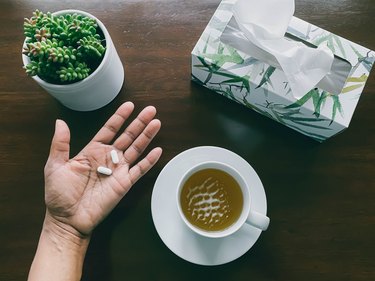
Photo Credit pills and pill bottle image by Effie White from Fotolia.com

Sodium starch glycolate, or SSG, is a common ingredient in many pharmaceutical pills, although it is not a medicine. SSG is the sodium salt of a carboxymethyl ether of starch. It is commonly used as a rapid disintegrant, a chemical that promotes the rapid distingetration and immediate release of orally administered drugs. It coats the pills keeping the medicine in, but releases the medicine rapidly upon contact with water.

Identification

Sodium starch glycolate is manufactured by carboxymethylation of starch. Starch is a polysaccharide of glucose, a long chain of glucose molecules linked together. The carboxymethylation process increases the ability of the starch to absorb water, making it a rapid distintegrant. Various factors influence the final disintegration properties of the sodium starch glycolate product, including the source of starch, the particle size, the amount of the reaction byproduct produced, viscosity, and the degree of substitution and cross-linking that occurs in the reaction process.

Effects

Sodium starch glycolate works by rapidly absorbing water. When medicines are contained within tablets or granules, they are coated with sodium starch glycolate. As soon as the glycolate comes in contact with water, it rapidly absorbs it. This results in a large amount of swelling, which leads to the rapid disintegration of the tablets or granules and subsequent release of the medication.

Physical Properties

Sodium starch glycolate exists as a very fine, white or off white, odorless powder. Tablets prepared with sodium starch glycolate are stable for up to 4 years, but should be stored in a well-sealed container to protect it from temperature and humidity variations that could cause caking.

Warning

Sodium starch glycolate can be derived from any starch source. For example, corn, rice, potatoes and wheat are all potential sources. Some of these sources, are not gluten-free; for example, wheat. Therefore, medications listing sodium starch glycolate as an ingredient may not be gluten-free. For people in need of a gluten-free diet, such as those suffering from celiac disease, or people with gluten allergies, it is important to determine the exact botanical source of the sodium starch glycolate in the medication before that mediation can be considered safe.

Additional Uses

While the vast majority of sodium starch glycolate is used as a disintegrant in pills, it has also been used in the food industry. SSG has been used as a suspending vehicle, a food stabilizer and as an anti-aging agent for bread. It is has also been used in the manufacture of ice cream. In Japan, the chemical industry has used SSG in the manufacture of cream, shampoo and other Japanese products. SSG is also been known to raise plasma pressure and increase blood volume. Injection preparations of SSG are available for use in hemorrhagic shock and trauma.

References

Article reviewed by Jenna Marie Last updated on: Apr 26, 2011

Must see: Photo Galleries

Member Comments