

















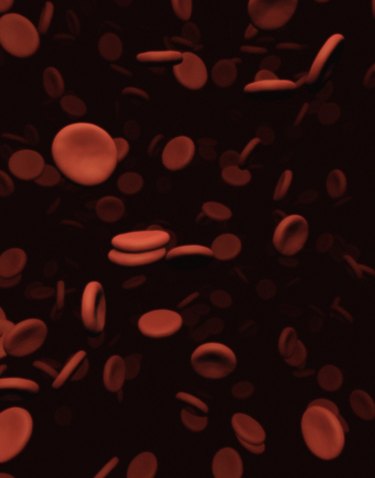




















































Sickle cell anemia is an inherited condition that causes red blood cells (erythrocytes) to "sickle," or become C-shaped. This disease affects all major organs and body systems because they all rely on the blood to deliver essential nutrients and oxygen. Healthy red blood cells are smooth, flexible and round and they live for up to 120 days. Sickle cells are stiff and live for only 10 to 20 days, causing a shortage of red blood cells (anemia) in the body and blockages in the blood vessels. Sickle cell anemia can cause severe health problems, as outlined in a review article published in the "Journal of Occupational Medicine."
Vascular System
The vascular system of blood vessels that transports blood to every cell in the body is the most obvious system affected by sickle cell anemia. Sickle cells are stiff and stick to each other and to the walls of blood vessels, causing narrowing and blockages that hinder vital blood flow. This can cause pain and swelling in the fingers, hands and limbs of the body. Clumps of sickle cells may also cause blood clots that lead to heart disease and stroke. An interruption or reduced flow of oxygen and blood to the brain can cause severe complications and damage. This type of stroke can even occur in children with sickle cell anemia.
Blood Filtering System
Important organs of the body that are responsible for filtering, storing and renewing the blood include the liver and the spleen. In the spleen, a complication called splenic sequestration (pooling) occurs when sickle cells clump inside the spleen. This can cause a sudden decrease in the amount of hemoglobin (the oxygen-carrying protein of red blood cells), which can be fatal if not treated. The spleen may also become enlarged, painful and scarred, leading to permanent damage. The University of Maryland Medical Center notes that this problem is so common that most children with sickle cell anemia undergo surgical removal of the spleen or do not have a functioning spleen by the age of eight years. The liver also becomes overworked because sickle cells break down faster than normal red blood cells, causing a build up of bilirubin (a yellow protein in red blood cells). Sickle cell anemia may also cause gallstones in the gall bladder, leading to a backing up of bile in the liver where it is produced. These effects can cause a fatigued or damaged liver and jaundice in the body.
Immune System
The immune system is directly affected by sickle cell anemia because immune cells reach their target areas through the blood flow. Sickle cells block or reduce blood flow, decreasing the delivery of oxygen as well as germ-fighting immune cells to parts of the body. This leads to increased infections, skin ulcers, illness and slowed healing. The spleen is also an important immune system organ, and damage to the spleen or removal of the spleen increases the risk of infection in the body, particularly in children.
Respiratory System
The respiratory (breathing) system and the lungs are also affected by sickle cell anemia. According to the National Heart, Lung and Blood Institute, acute chest syndrome occurs when sickle cells become trapped in the chest, blocking the flow of blood and oxygen to the lungs. This causes pneumonia, fever, pain and severe coughing. It can also lead to permanent damage to the lungs. Cellular respiration, or delivery of oxygen to the cells of the body, is also impacted by sickle cell anemia because oxygen-carrying blood flow is blocked or reduced. This leads to slowed growth and development and decreased metabolism and energy levels.


