















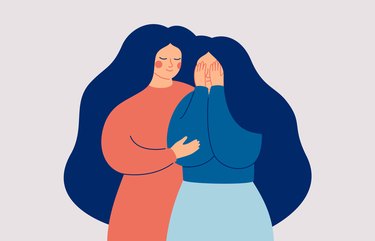






































Depression is a medical illness that involves the body and mind, and can lead to a variety of emotional and physical problems, according to the Mayo Clinic. It is a chronic illness that usually requires long-term treatment. Harvard Health says depression affects more than 19 million Americans each year, yet it is often misunderstood and misdiagnosed. Diet and exercise are shown to improve depression symptoms.
Exercise and Depression
Antidepressant medications are the most common treatment for depression. However, researchers from Hull University in England discovered in a 2008 study that these drugs could be a massive waste of money. Psychiatrist Tim Kendall says "there are trials which show that exercise should be the first thing to try for people with mild to moderate depression." Exercise releases feel-good chemicals called endorphins. Kendall recommends a strenuous workout at least three times a week, but any physical activity will help.
Physical Benefits of Exercise
The Mayo Clinic reports that exercise helps prevent and improve a number of health problems. Exercise releases the brain chemicals called endorphins and neurotransmitters; reduces immune system chemicals that can worsen depression; and increases body temperature, which causes a calming affect. A study in the Archives of Internal Medicine found that exercise may be an acceptable substitute for antidepressants, and a follow-up study revealed that the exercise effect lasted longer than medication.
Mental Benefits of Exercise
Several mental benefits come with exercise as well. Exercise is a distraction that can take the mind off of worries and negative thoughts. Exercise is also a healthy coping mechanism--instead of relying on alcohol or drugs. It also boosts self-confidence. The increased social interaction involved with exercise is also a huge benefit to those who are depressed. Going to the gym, or just getting out of the house, goes a long way in boosting the mood.
Diet and Depression
Mike Adams of "Natural News" reports that a study in "Biological Psychiatry" found that certain foods are better at treating depression than antidepressant drugs. Foods high in omega-3 fatty acids and a compound called uridine reduce depression symptoms as well as or better than three different antidepressant drugs that were tested. Foods rich in omega-3 encompass fish, nuts, seeds and some whole grains. Uridine compound is found in molasses. Foods to be avoided include sugar, processed foods and alcohol.
Omega-3 Importance
Fish is really important because the structure of the essential fatty acids is almost identical to the structure of some of the brain, so it beefs up the brain biology, explains Dr. Carol Cooper. According to Dr. Gabe Mirkin, a study was done in England showing that depression may be caused by an omega-3 deficiency. A diet lacking in these fatty acids may lower the brain level of serotonin. For example, depression is 60 times more common in New Zealand than in Japan, where the Japanese eat far more omega-3 in their fish-heavy diets.
References
- Dr. Gabe Mirkin: Diet May Treat Depression and Schizophrenia
- Natural News: Depression and Mental Disorders Can Be Prevented and Treated With Simple Healing Foods
- Mayo Clinic: Depression and Anxiety: Exercise Eases Symptoms
- Harvard Health Publications: Exercise and Depression
- The Sun: New Study on Depression


