















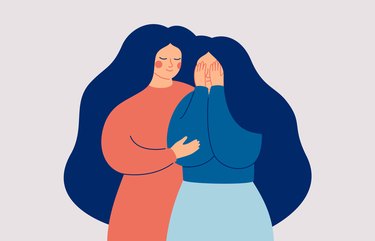






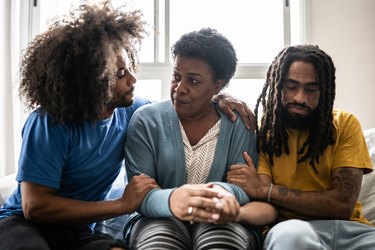




























There are an estimated 32,000 suicides a year and every death has a profound effect on approximately six people, according to the American Association of Suicidology. For survivors of suicide--those who have lost a loved one--grief can be overwhelming and the healing process particularly challenging. While grief can lack a predictable pattern or timetable, there are elements that are often shared by survivors as they work through the trauma.
Shock
Often survivors' initial reaction is shock and disbelief. Denial is a common defense mechanism to buffer traumatic events that overwhelm coping mechanisms. Gradually, recognition and acceptance that the event is real sets in, though for some, shock is experienced repeatedly as the survivor revolves back and forth between recognition and denial.
Anger
Many survivors feel angry at the loved one who has committed suicide for leaving them and for the emotional pain inflicted by their death. Understanding that anger is a normal and acceptable reaction can help survivors avoid self-blame and depression, according to a review of studies published in Crisis: The Journal of Crisis Intervention and Suicide Prevention. Moving toward forgiveness is an important step in the healing process.
Guilt
Guilt can be one of the most difficult emotions associated with a loved one's suicide. Survivors may blame themselves for not recognizing warning signs, not providing the person with the help and support they needed or not having taken steps to prevent the suicide. The extent of guilt is often dependent on the nature of the relationship the bereaved had with the victim prior to the suicide. Experts stress that it is important to recognize that you are not responsible for the person's actions. For survivors whose loved one had a long struggle with suicide attempts, depression or mental illness, they may feel some relief after the suicide, accompanied by guilt for feeling this way.
Depression
Intense sadness and depression often follow the death of a loved one. The stigma and misconceptions associated with suicide can prevent the survivor from seeking needed support. Studies have shown survivors to be more prone to depression than those not affected by a suicide, which places them at greater risk of suicide themselves. Survivors are also more prone to "complicated grief"--in which the normal grieving process becomes more debilitating, long-lasting, and severe-- according to a study published in Crisis: The Journal of Crisis Intervention and Suicide Prevention. Finding meaning or purpose in the life of the loved one and the grieving process can help survivors make sense of the trauma and work through depression.
References
- American Association of Suicidology: Survivors of Suicide Fact Sheet
- Crisis: The Journal of Crisis Intervention and Suicide Prevention: "Bereavement After Suicide - How Far Have We Come and Where Do We Go from Here?"
- Crisis: The Journal of Crisis Intervention and Suicide Prevention: "Complicated Grief in Survivors of Suicide"
- Mayo Clinic: Suicide Grief: Healing After a Loved One's Suicide


