





















































ADHD--Attention Deficit Hyperactivity Disorder
What is ADHD?
The abbreviation ADHD stands for Attention Deficit Hyperactivity Disorder. It is considered a neuro-behavioral disorder that can affect up to approximately 5 percent of our world population. This is a chronic condition characterized by ongoing impulsiveness, inattention (especially in school) and associated hyperactivity. Children and teens with ADHD frequently develop coping mechanisms to deal with peer pressure brought about by evidence of poor scholastic performance and hyperactivity.
According to the National Attention Deficit Disorder Association, as many as 2/3 of children with ADHD will continue to face major challenges caused by the disorder when they are adults. Follow-up studies of children with ADHD find that about half will continue to have symptoms into adulthood. Many girls and women suffer the effects of ADHD and do not get the help they need.
Once diagnosed, many women recall painful or difficult childhood experiences in school that were likely caused by ADHD, but at the time were attributed to laziness or lack of ability. Low self-esteem is the outcome of chronic criticism and common among women with ADHD. ADHD, once called hyperkinesis or minimal brain dysfunction, is the most common psychiatric condition among children. Two to three times more boys than girls are affected. In adults, the ratio of males to females with ADHD approaches 1 to 1. On the average, at least one child in every classroom in the U.S. needs help for the disorder. ADHD can be mild, moderate or severe. An ADHD diagnosis is more difficult to identify in women and girls, because they tend to be less hyperactive, less defiant and more compliant. The absence of disruptive behavior delays identification of ADHD in girls.
ADHD appears to be genetic. If one parent has ADHD, there is a 50 percent chance the child will have it. If the child has ADHD, there is a 40 percent chance one of the parents has it. The persistence of ADHD in the parent increases the likelihood that the child with ADHD will have persistent symptoms into adulthood.
As with other chronic medical conditions, there are no cures for ADHD. Many experts believe the most significant, long-lasting gains occur when medication is combined with behavioral therapy, emotional counseling and practical support. Some studies suggest that the combination of medicine and therapy may be more effective than medication alone, especially when other coexisting psychiatric conditions occur (i.e. depression, bipolar disorder, anxiety disorders or substance abuse).
Medication can help to control the core symptoms: hyperactivity, impulsiveness and inattention. But more often, there are other aspects of the problem that medication can't touch. Even though ADHD primarily affects a person's behavior and cognition, having the disorder has broad emotional repercussions.
Common symptoms of ADHD can include:
Failing to give close attention to details or making careless mistakes
Difficulty sustaining attention to tasks
Appearing not to listen when spoken to directly
Failing to follow instructions carefully and completely
Losing or forgetting important things
Feeling restless or fidgeting
Talking excessively or blurting out answers before hearing the entire question.
At present, ADHD is a diagnosis made in people who demonstrate chronic, unchanging and persistent symptoms across a number of settings. Although people identify with some of these symptoms at different times in their lives, ADHD is a disorder starting in childhood that may persist into adulthood. Childhood onset is the cornerstone of the diagnosis. There is no such disorder as "adult-onset ADHD."
Treatment Plans
An effective treatment plan will help you cope with ADHD, whether you or your child is the one with the diagnosis. For adults, the treatment plan may include medication, along with practical and emotional support. For children and adolescents, it may include providing an appropriate classroom setting, as well as medication and helping parents understand and manage the child's behavior. ADHD can be treated through medical or behavioral therapies or a combination of the two
ADHD Treatment--An Introduction
A combination of medication and ADHD-focused counseling is generally the most successful treatment for ADHD. For decades, medications have been used to treat the symptoms of ADHD. Three medications of the class known as psychostimulants seem to be the most effective in both children and adults. These are:
Methylphenidate (Ritalin, Metadate, Methylin and long-acting forms of methylphenidate, Concerta, Metadate CD, Ritalin LA and Focalin)
Dexedrine, Dextrostat, Adderall and the long-acting form of amphetamine salts, Adderall XR
Pemoline (Cylert; this medication is rarely used because of its potential to cause liver damage)
Strattera (atomoxetine), the first non-stimulant medication to treat ADHD. Unlike stimulant medications, Strattera is classified as a "selective norepinephrine re-uptake inhibitor" and works only on blocking receptors in the brain that increase norepinephrine.
For many people, these medicines dramatically reduce the hyperactivity and inability to focus, work and learn.
Other types of medication are sometimes used to treat the condition if stimulants don’t work or if the ADHD coincides with another disorder. As useful as these medications are, Ritalin and the other stimulants have sparked a great deal of controversy. Most health-care providers feel the potential side effects--such as weight loss, slow growth and addiction--should be carefully weighed against the benefits before the medication is prescribed. However, side effects that do occur can often be handled by reducing the dosage.
Studies published in 2002 seem to contradict many of the concerns about stimulant use. The Journal of the American Medical Association reported on a 10-year study by the National Institute of Mental Health which found that, while the brains of children and adolescents with ADHD are 3 to 4 percent smaller than those of children who don't have the disorder, medication is not the cause. In fact, researchers suggest, medication may actually help the brain mature.
There has also been concern that long-term use of stimulants might lead to substance abuse, with one study showing a small correlation. The other 11 studies conducted on this issue found the opposite to be true. They found that ADHD children medicated with stimulants were less likely to engage in subsequent substance abuse. Two studies published in the January 2003 issue of Pediatrics--one of which followed 146 children for 13 years--should put an end to the debate, with neither study finding any greater risk of substance abuse in children who used stimulant medication to treat their ADHD.
There has also been concern that stimulant medication affects children's growth, with some studies showing a correlation. There has also been concern about tics occurring as a side effect of stimulant medication. However, a two-year follow-up of children and adolescents treated with Concerta (which is not a stimulant) found that tics improved in 20 percent of the participants, did not change in 80 percent and worsened in only 20 percent. This finding suggests that the presence of tics may not be a reason to withhold stimulant medication when indicated for ADHD.
Remember, medication doesn't cure the disorder; it only controls the symptoms while you're taking it. Stimulants have only immediate benefit; once a dose wears off, the symptoms immediately return. Interestingly enough, patients with ADHD who have an associated sleep disturbance may report improvement in sleep when taking stimulant medication. This may be true even if the stimulant is a once-daily preparation taken in the morning. Also, although the medications may help you pay better attention and complete your work, they can't increase your knowledge or improve your (or your child's) academic skills.
Medications alone can't make you feel better about yourself or cope with problems. These issues require other kinds of treatment and support and therapy by a therapist or psychologist who is familiar with ADHD. For lasting improvement, clinicians recommend that medications be used along with treatments that aid in these other areas. Many experts believe that the most significant, long-lasting gains appear when medication is combined with behavioral therapy, emotional counseling and practical support.
Behavioral Therapy
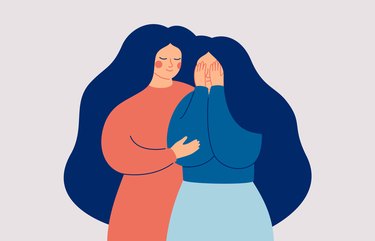
Though ADHD primarily affects a person's behavior, the disorder has broad emotional repercussions. Scolding is the only attention some people with ADHD ever get while growing up. They may have few positive experiences that build their sense of worth and competence. Facing the daily frustrations that can come with having ADHD can make people fear that they are strange, abnormal or stupid. In group counseling, for example, people learn that they are not alone and that others want to help. Sometimes, only the person with ADHD needs counseling support. But because the problem affects the family as well as the person with ADHD, the entire family may need help. A good therapist can help you find better ways to handle any disruptive behaviors and promote change.
Psychotherapy works to help people with ADHD like and accept themselves despite their disorder. In psychotherapy, patients talk with the therapist about upsetting thoughts and feelings, explore self-defeating patterns of behavior and learn alternate ways to handle their emotions. As they talk, the therapist tries to help them understand how they can change. However, people dealing with ADHD usually want to gain control of their symptomatic behaviors more directly. Read "Self-esteem" for more.
Support groups connect people who have common concerns. Many adults with ADHD and parents of children with ADHD find it useful to join a local or national support group. Many groups deal with issues of children's disorders, and even ADHD specifically.
Ineffective or Unproven Alternative Treatments
Allergy treatments
High doses of vitamins
Chiropractic adjustments
Yeast infection treatments (oral medications)
Eye training
Specially colored glasses
EEG biofeedback


Member Comments