







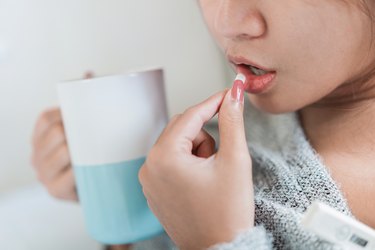


Statins are the most commonly prescribed class of drugs to lower total cholesterol and low density lipoprotein cholesterol, also referred to as LDL-C. Statins work by inhibiting cholesterol synthesis in the liver. Results are a 20 to 50 percent drop in LDL-C, depending on drug and dose. Some people find statin side effects a problem, or have other reasons to not take or stop taking statins. Alternatives, while not as effective, will lower cholesterol by other means.
Niacin
Niacin, brand names Niacor or Niaspan, lowers LDL-C from between 2 to 33 percent, depending on dose. Niacor is the immediate release form and doses range from 0.5 to 3.0 g per day. Niaspan is the extended release form, and doses range from 0. 5 to 2.0 g per day. Adverse side effects are milder with Niaspan.
Cholestyramine
Resin-containing products--brand names Cholestipol, Questran, Prevalite and Locholest--date back to the 1950s and function by binding cholesterol-rich bile in the digestive tract. Long-term clinical trials with resins resulted in a 15.8 percent lowering of total cholesterol--though LDL-C was not reported--and a 29 percent reduction in the risk of heart disease deaths.
Ezetimibe
Ezetimibe, brand name Zetia, lowers cholesterol by blocking the intestinal cell receptors responsible for absorbing cholesterol. According to a review by Dr. A. Pandor in the May 2009 issue of "Journal of Internal Medicine," Zetia at the standard dose of 10 mg per day resulted in an 18.6 percent decrease in LDL-C compared to a placebo. Trials have not been long or large enough to measure clinical outcomes.
Phytosterols
Phytosterols and phytostanols are plant-derived molecules similar in structure to cholesterol. When consumed two to three times a day, with meals, these plant sterols interfere with cholesterol absorption, resulting in a 10 to 12 percent decrease in LDL-C. Phytosterols are food ingredients, not drugs. They are sold either incorporated into foods such as margarine, or as dietary supplements.
Soluble Fiber Foods
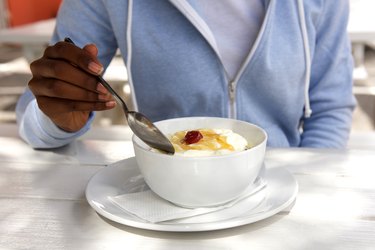
Beta-glucans are in whole oat and barley foods. Psyllium seed husks are incorporated into foods and dietary supplements. These soluble fibers interfere with cholesterol absorption. Regular use--two to three times a day--results in approximately a 5 percent drop in LDL-C. The U.S. Food and Drug Administration allows label health claims for these foods--for example: "Eating soluble fiber from foods such as [name of food] as part of a diet low in saturated fat and cholesterol, may reduce the risk of heart disease."
Therapeutic Lifestyle Changes
The National Cholesterol Education Program recommends Therapeutic Lifestyle Changes, referred to as TLC, for people whose LCL-C is elevated but not to the point that a drug intervention is warranted. TLC changes include an eating plan with less than 7 percent of calories from saturated fat, less than 200 mg of dietary cholesterol per day, weight loss if overweight or obese, and exercising at least 30 minutes per day on most days of the week. TLC recommendations include the already mentioned soluble fiber and plant sterol interventions.
Red Yeast Rice-Natural Statin
This dietary supplement is problematic. If it contains statin-like compounds made by fermenting a specific red-colored yeast on rice, the FDA considers it illegal. If it does not contain active compounds, it will not work, but will be legal to sell. The supplement products on the market do no state on the label whether they contain active ingredients or not.
References
- "Annals of Internal Medicine": Dose-response characteristics of cholesterol-lowering drug therapies: implications for treatment
- "Arteriosclerosis, Thrombosiss, and Vascular Biology": Systematic review on the risk and benefit of different cholesterol-lowering interventions
- "Journal of Internal Medicine": Ezetimibe monotherapy for cholesterol lowering in 2,722 people: systematic review and meta-analysis of randomized controlled trials.
- "British Medicine Journal": Plant sterol and stanol margarines and health
- National Cholesterol Education Program: High blood cholesterol what you need to know


