






















































Both health officials and chefs tout the advantages of organic food, but what makes it any different than conventionally grown fare? Are there really any health benefits in eating only organic food? Experts aren't sure yet if organic foods actually contain more nutrients than conventional foods, but there are health benefits to consuming less pesticides, antibiotics, hormones, and other chemicals that are added to conventional foods.
Meat and Poultry
Meat, poultry, and dairy items are among the most important products to consider when buying organic for several reasons. Most conventional livestock comes from concentrated-animal feeding operations (CAFOs). According to "Food, Inc.," the print accompaniment to the documentary film edited by Karl Weber, these are industrial-scale facilities where thousands of animals are fed and housed together in very close proximity. In these cramped conditions, disease can spread quickly; therefore, farmers dose each animal with antibiotics. Weber asserts that increased use of antibiotics on livestock leads to antibiotic-resistant strains of bacteria that can eventually pass to humans. Organic animals don't need antibiotics, because they don't live in such tight quarters. USDA organic standards prohibit farmers from giving any medical treatment to animals unless they are sick, including antibiotics and synthetic parasiticides. Organic farmers and ranchers are also prohibited from giving their animals hormones or supplements to promote growth. Conventional feedlots engage in this practice in order to make livestock grow faster, so that they can be slaughtered sooner, which lowers the cost of raising them. According to Weber, ingesting hormones from meat can lead to hormonal imbalances that may cause cancer. Organic, grass-fed beef is also higher in Omega-3 fatty acids, which can lower cholesterol, beta-carotene, and vitamin E.
Produce
According to the USDA, organic fruits and vegetables, as well as grains, may not be treated with fertilizers, pesticides, or herbicides that contain synthetic substances or sewage sludge. According to the Mayo Clinic, organic farmers use natural fertilizers, such as manure or compost, and beneficial insects and birds and other natural methods to reduce pests and disease. To manage weeds, organic farmers rotate and hand till crops instead of using chemical herbicides. Allison Pennell from babble.com, a parenting website, writes that ongoing exposure to pesticides makes children more susceptible to health problems, with a risk of nuero-developmental damage in particular. According to the journal Environmental Health Perspectives, kids who consume conventional produce and juice tested positive for the presence of several kinds of pesticides in their systems. When these foods were replaced with organics, the pesticides in their systems disappeared. According to Weber, some conventional farmers spray fields with treatments containing waste products from CAFOs, which may contain E. Coli, bacteria, which can lead to crop contaminations, such as those affecting spinach and lettuce in 2006.
Nutrition
According to the National Institutes of Health (NIH), there is no strong evidence that organics bring nutrition-related health benefits, or that organic and conventional foods differ significantly in their nutrient content. The NIH admits the amount of research on the subject currently is limited, with more studies needed to reach an adequate conclusion. However, the NIH reports that babies and toddlers who consume only organic dairy products demonstrated a lower risk of eczema than those who ate conventional dairy foods. A study by the Journal of Agricultural and Food Chemistry showed that organic produce does contain more nutrients and higher levels of vitamins than conventional counterparts.
When to Go Organic
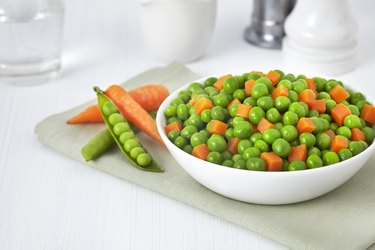
According to the Environmental Working Group, sometimes it's worth it to fork over the extra dollars for organic products, and sometimes it's not. You should always try to buy organic eggs, meat, poultry, dairy products, baby food, and rice; and you can reduce your exposure to pesticides by 90 percent by choosing organic fruits and vegetables with thin skins such as apples and lettuce. Thicker skinned foods involving inedible skins such as bananas, avocados, pineapples and melons are not as much of a concern. Conventional broccoli, cabbage, asparagus, eggplant, and peas are also safe, as well as processed foods like pasta, cereal, oil, canned foods, and bread.
Other Reasons to Go Organic
Many choose to go organic for reasons other than health benefits, such as environmental concerns and animal treatment. Organic farming practices are designed to encourage soil and water conservation and reduce pollution, according to the Mayo Clinic, thus benefiting the the environment. Organic livestock are housed in cleaner, more humane conditions than those raised on CAFOs. According to Weber, livestock raised on CAFOs live in such close quarters that they can hardly move, and, in some states, farm animals don't even have space to lie down. Most organic animals, on the other hand, are raised in open-air fields or pastures, and are free to move about as they wish. USDA regulations state that organic livestock must have access to "the outdoors... fresh air, and direct sunlight...opportunity to exercise... and appropriate clean, dry bedding."
References
- "Food, Inc.;" Karl Weber (Ed.); 2009
- Mayo Clinic: Organic Foods, Are They Safer? More Nutritious?
- Allison Pennell: Organic Food Buying Guide
- Environmental Health Perspectives: Organic Diets Significantly Lower Children's Dietary Exposure to Organophosphorus Pesticides
- "Journal of Agricultural and Food Chemistry;" Mineral Components of Organically and Conventionally Grown Spinch; Sedat Citak and Sahriye Sonmez; August 2009.


Member Comments