






















A Lymphedema MLD Massage

A Lymphedema MLD Massage
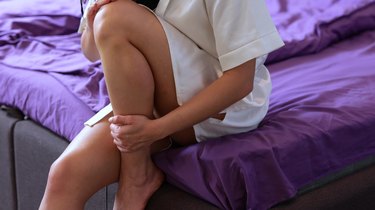
Photo Credit massage image by Adam Borkowski from Fotolia.com

Lymphedema is a form of swelling that is caused by a build-up of lymphatic fluid in the soft tissues of the body. The swelling most often affects the arms or legs and develops if the lymphatic system's function is impaired by either developmental abnormalities (primary lymphedema), or if lymphatic vessels are damaged or lymph nodes are removed (secondary lymphedema).
Regardless of the cause, the goal of lymphedema treatment is to control the swelling and to avoid secondary complications that may develop as a result of untreated lymphedema.

Treatment of Lymphedema

Medications such as diuretics have been shown to be ineffective in the treatment of lymphedema. A combination of several conventional, non-invasive treatment methods, summarized under the term Complete Decongestive Therapy (CDT), represents the standard care for this condition. The goal of lymphedema treatment is to reduce the swelling and maintain the reduction so individuals affected by this condition can continue with activities of daily living.

Manual Lymph Drainage

Manual lymph drainage (MLD) is an integral part of complete decongestive therapy and used to manually move lymph fluid around blocked areas and to stimulate the natural movements of lymphatic vessels. This gentle manual treatment technique is applied to the soft tissues of the body, and to be effective, MLD is applied to the bare skin using light pressure without the use of lotions, creams or oils. The light stretch of superficial lymph vessels results in an increase of lymph vessel activity.

Components of Manual Lymph Drainage

MLD originated in Europe during the 1930s and is performed by certified lymphedema therapists. The technique is based on four basic strokes, which may be applied separately or as a combination of several different strokes. The common denominator in all four strokes--the "stationary circle," "scoop," "pump" and "rotary" technique--is a light and gentle stretch on the walls of lymph vessels, promoting directional flow of lymphatic fluid.

Self-Manual Lymph Drainage

Part of successful long-term management of lymphedema is the self-application of simple and easy-to-perform MLD strokes designed to promote the continuous directional flow of lymph fluid. Following the completion of a series of treatments administered by a certified therapist, the patient is instructed by the therapist to administer a self-MLD protocol tailored to the patient's individual situation. Ideally, the self-MLD should be combined with other components of complete decongestive therapy (decongestive exercises and compression therapy) and performed at least once a day for 10 to 15 minutes.

Effects of Manual Lymph Drainage

The techniques of MLD are not only applied in the areas affected by lymphedema, but also include the manipulation of healthy lymph vessels and lymph nodes adjacent to the affected area. Stimulation of lymphatic structures in healthy areas promotes the flow of stagnated lymphatic fluid from the body part affected by lymphedema to an area with normal lymphatic drainage, which is an important aspect in the reduction of the swelling. The soothing and analgesic effects resulting from the gentle application of MLD techniques play an important role to control pain that may be associated with lymphedema.

References

Article reviewed by OmahaTyppo Last updated on: Jun 18, 2010

Must see: Photo Galleries

Member Comments