





































































Aggression is largely regarded as a negative way to deal with a variety of emotions and situations. But Gavin De Becker notes in his breakthrough book, "The Gift of Fear," that aggression is only your body's natural instinct to protect itself when you feel scared, threatened or otherwise in danger. Aggression can be born from a number of reasons, some of which are healthy displays of emotion, and some of which that can be dangerous and unhealthy.
Fear
Fear is a primal instinct that teaches you to watch your surroundings and perceive how safe you are in any given situation. Aggressive behavior is your body's natural response to fear in order to keep yourself safe. When you feel as though you are being threatened, you can become aggressive and confrontative. A study published in Nature Reviews Neuroscience notes that fear and aggression are necessary to protect yourself from bodily harm, so you might find yourself more aggressive when you feel nervous or threatened.
Drugs and Alcohol
Substance abuse has the power to change your behavior, including making you more aggressive. The National Institute on Alcohol Abuse and Alcoholism warns that it is impossible to determine a person's reaction to alcohol before it is consumed. Some people find that alcohol makes them feel happy or tired, while others will become angry and aggressive. Some alcoholics are prone to violent behavior because of the substance abuse, and can exhibit aggressive behavior depending on the individual brain chemistry; those with lower serotonin levels are more prone to aggressive behavior while drinking, says J. Dee Higley, Ph.D. of the NIAAA.
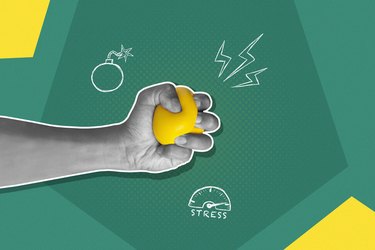
Stress
Being under too much stress can also cause you to become aggressive. A study of rats implanted with stress-mimicking electrodes was completed by the Department of Psychology and Neuroscience and Behavior Program at the Barnard College of Columbia University. When the rats perceived that they were in a stressful situation, they were more likely to aggressively attack other rats. Upon attacking, the stress would increase, only perpetuating a dangerous cycle of aggression. When you are stressed out, you may be less likely to effectively deal with stressful situations, turning to aggression as a coping mechanism over rational problem solving skills.
Genetics and Upbringing
Some individuals are more prone to being aggressive due to genetics and upbringing, according to the American Academy of Child Adolescent Psychiatry. If one of your parents dealt with aggression problems, or exhibited aggression frequently in the home, it's more likely that you'll also have the same problems or believe aggression to be acceptable behavior.
References
- "The Gift of Fear": Gavin De Becker: 1999
- Nature Reviews Neuroscience: Neural Mechanisms of Aggression
- National Institute on Alcohol Abuse and Alcoholism: Individual Differences in Alcohol-Induced Aggression
- Department of Psychology and Neuroscience and Behavior Program Barnard College of Columbia University: The Effects of Stress on Play and Home Cage Behaviors in Adolescent Male Rats
- American Academy of Child Adolescent Psychiatry.: Understanding Violent Behavior In Children and Adolescents


Member Comments