







































































If you're a diabetic or someone else who struggles to maintain normal levels of blood sugar (also called "blood glucose") levels, you know how important it is to watch your diet, get plenty of exercise and take doctor prescribed medications. Blood sugar is one of several fuel sources used by the body and is part of a complex, regulated system designed to provide energy to the body. When blood sugar levels drop or increase, a number of symptoms tell the body that there is an energy shortage that needs correcting. Here's what you need to know about managing your blood sugar and how to keep it from getting too high.
The Body's Fuel Sources
Depending on what type of activity the body is engaged in, it uses three fuel sources to keep things running: carbohydrates, fats and proteins. Carbohydrates that are broken down and circulate in the blood as glucose are readily available for activity. Another form of carbohydrate is glycogen and is stored in the muscles and liver. Glycogen is typically used in extended endurance activity to supplement blood glucose. Fats are primarily used for low intensity, long duration activity, like jogging, walking, hiking and other forms of aerobic exercise. When there are no fats or carbohydrates available, the body is capable of using proteins for short periods of time.
The Importance of Blood Sugar
Under normal circumstances, the body prefers blood glucose as its primary fuel source. It is efficient, easy to use and is readily available. Glucose is also the only fuel the brain is capable of using. Glucose is readily available from the food we eat in simple and complex carbohydrates, like sweets, pasta and bread. If the blood glucose levels fall, eating something sweet like hard candy or drinking fruit juice will restore low glucose to normal levels within minutes. High levels of blood sugar is another matter.
Normal Levels of Blood Sugar
For the average, disease-free adult, the normal range of blood sugar is 70 to 100mg/dl. During the day, these numbers will frequently rise and fall. Even after a carbohydrate-rich meal, the blood glucose level should be lower than 140mg/dl. Glucose levels should return to normal within two to three hours.
What Causes High Blood Sugar Levels
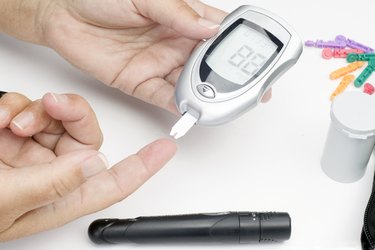
Unless they've already been diagnosed with diabetes, most people might be unaware that they occasionally have high blood sugar levels, unless they have their blood drawn in a clinical laboratory or by using a test kit, that uses a small drop of blood from your fingertips. Diabetics with blood sugar that is out of control can register blood glucose levels in the 200 or 300mg/dl range.
There are several reasons why someone might have high blood sugar. First, they might have eaten a carbohydrate-rich meal, like pancakes and maple syrup. However, even in this situation, the blood glucose levels should return to normal fairly quickly. Other reasons why people have high blood sugar levels is because they do not produce enough insulin that is critical in helping the cells of the body use glucose. These people have been diagnosed with type I diabetes. Type II diabetics may be insulin resistant---their bodies make plenty of insulin but their bodies can't use it.
The Importance of Lowering High Blood Sugar Levels
If you've been told by your doctor that your blood sugar level is high, or noticed some of the symptoms of high blood glucose, like excessive urination, thirst, fatigue and extreme weight loss, it's important to begin taking steps to reduce it. Having high blood sugar, also known as hyperglycemia, can ultimately damage the kidneys, arteries and other organs.


