













































In 1945, Dr. F. Howard Westcott of New York City, began experimenting with chlorophyll to treat breath and body odor. Chlorophyll, the green substance in plants that allows photosynthesis to take place, continues to be used in commercial products that curb bad breath, such as mints, gums and tablets. But clinical research now casts doubts on the claim that chlorophyll helps halitosis.
Causes of Bad Breath
The Mayo Clinic says there are a number of causes of bad breath. Poor dental hygiene and periodontal disease can result in a bad case of halitosis. Bad breath can also be caused by sinus infections, tobacco use, the dry mouth you have first thing in the morning and rarely by medical disorders such as cancer and metabolic disorders. The clinic says that the food you eat can be particularly problematic. Foods like onion and garlic contain malodorous oils that travel through your bloodstream to your lungs, where you continue to exhale them until the food is eliminated from your body.
Chlorophyll: Early Observations
Dr. Westcott, an internist, made his initial assessment of chlorophyll through subjective study. According to a July 1950 Time magazine article, Westcott noticed that when anemia patients took chlorophyll, the odor of their urine was less offensive, spurring the idea that perhaps chlorophyll could be used for bad breath and body odor. A small study using five medical professionals purportedly yielded favorable results, with little or no underarm odor noticed after 18 hours of ingesting chlorophyll. A study of 12 college women yielded similar results. Dr. Westcott noticed that after study participants drank onion juice, chlorophyll mouthwashes and tablets greatly curbed malodorous breath. He concluded that chlorophyll was extremely beneficial, regardless of the cause of bad breath, be it food, smoking or upset stomach.
Chlorophyll Research
There is little current research examining if chlorophyll is effective as an internal deodorant. A randomized, double-blind, placebo-controlled 1989 study conducted by Danish researchers looked at 28 people with colostomies. The subjects took 75 mg of chlorophyll three times a day. Researchers concluded that there was no difference between the odor of fecal matter of the control group and placebo group, per the subjects' subjective assessment.
What Others Say
Chlorophyll has no deodorizing properties, says William T. Jarvis, Ph.D. on the National Council Against Health Fraud's website, who goes on to say that the body cannot absorb chlorophyll. Integrative physician Dr. Andrew Weil says that chlorophyll won't harm you, but it "has no function in the human body."
Curbing Bad Breath
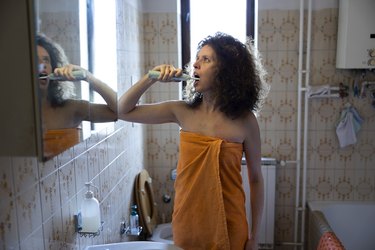
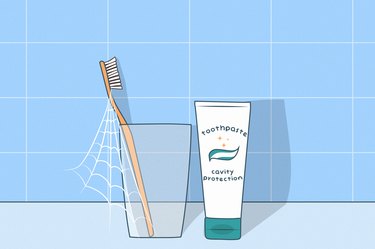
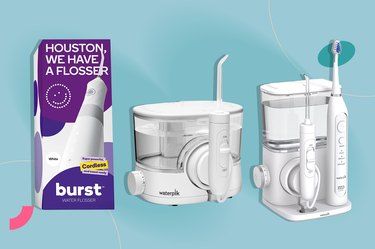
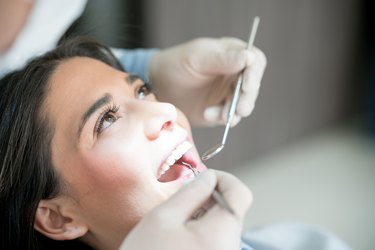
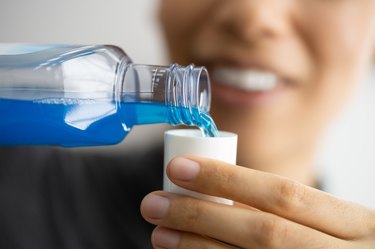
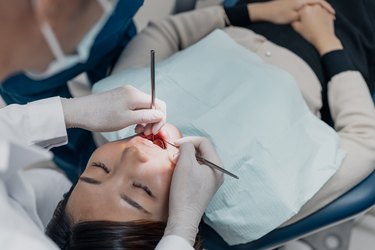
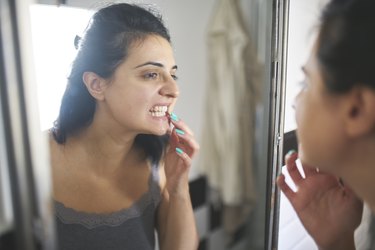
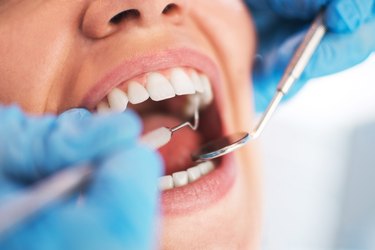
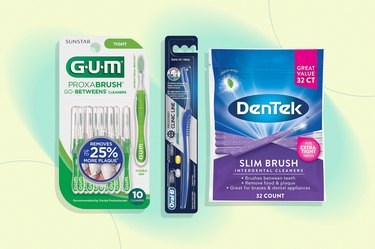
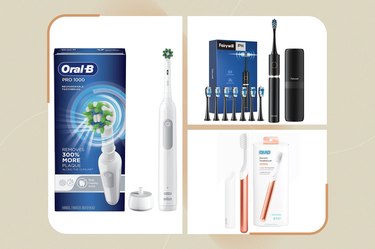
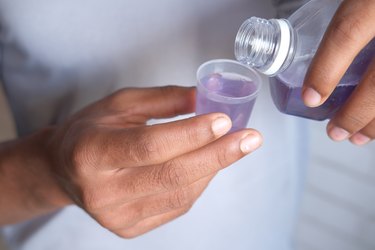
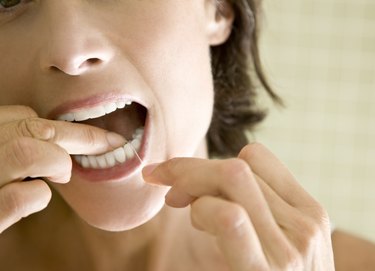
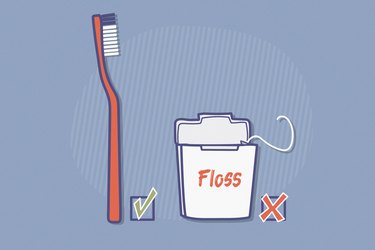
Mints, gum and mouthwashes mask bad breath temporarily, according to the Mayo Clinic. The best way to treat breath odor is to brush your teeth twice daily and floss at least once a day. When you brush, don't neglect to clean your tongue; the clinic points out that some toothbrushes are sold with tongue scrapers attached to the head of the brush. If you wear dentures or partials, wash them well at least once daily. Pass over foods that are known contributors to breath odor, such as onion and garlic. Drink plenty of liquids, but avoid caffeine and alcohol. The clinic also urges you to see your dentist for regular check-ups and cleanings at least two times a year.


