
































































Symptoms of Severe Anxiety Disorder
According to the National Institute of Mental Health, approximately 40 million people---nearly 18 percent of the American population---suffer from anxiety disorders. Severe anxiety is unlike short-term fear or panic associated with stressful situations. Anxiety requires treatment when it lasts for 6 months or more; without treatment, anxiety disorders worsen. Severe anxiety conditions are frequently linked to physical or mental illnesses as well as substance abuse; therefore, existing health issues must be treated first in order for anxiety treatment to succeed.
Panic
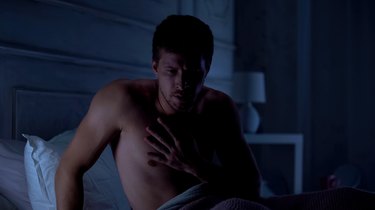
Panic attacks are linked to severe anxiety disorder and present with physical characteristics such as elevated heart rate, profuse sweating and dizziness. Patients in the throes of a panic attack feel suddenly chilled or hot and their hands tingle. Chest pain, heart palpitations and sweating along with the feeling of being smothered are typical during a panic attack. Patients have a sense of impending doom accompanied by intense hopelessness or terror, and often feel that death is imminent.
Obsessive-Compulsive Disorder
Obsessive-compulsive disorder (OCD) is a common symptom of severe anxiety disorder. Patients feel that by controlling their environment, they can control their emotions. Fears manifest in persistent behaviors such as constant hand washing or hair combing. Rituals like touching certain items or arranging them in order are uncontrollable. Symptoms of obsessive-compulsive disorder are typically coupled with other anxiety symptoms such as eating disorders, depression or drug addiction. OCD behaviors and rituals are not pleasurable experiences, but patients are compelled to perform these acts as relief from anxiety itself.
Social Fears
Anxiety disorder also presents as social phobia, in which patients become overly anxious about social situations. Intense self-consciousness can lead to a reclusive lifestyle because patients with social phobia believe they are constantly being watched, followed or judged. An intense fear of acting inappropriately and embarrassment overcomes patients even before they interact with others. Social phobia sufferers also exhibit physical symptoms that include sweating, shaking, blushing and stuttering.
Worry
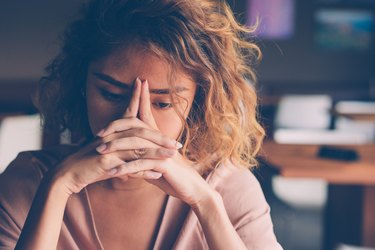
Symptoms of severe anxiety disorder typically include exaggerated fear and worry about events. Extreme and unreasonable concerns about money, safety and health are overwhelming. The cycle of constant worry causes patients to experience physical symptoms in addition to mental anxiety. Difficulty relaxing, concentrating and sleeping, as well as headaches, nausea, muscle aches, hot flashes and shortness of breath, typically affect those with severe anxiety disorder.


Member Comments
by anxietyremedy on August 1, 2009 at 11:41 AM
Thanks for the post! Deep breathing exercises are excellent for anxiety and many people report positive results from meditation. Some other natural anxiety remedies to look into are St.John's Wort, SAMe, L-Theanine, and Tryptophan.