






































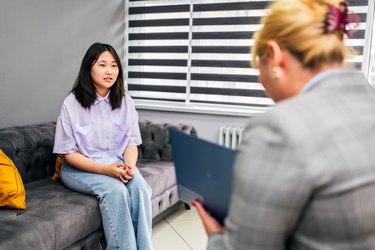
Effective communication is the cornerstone of healthy relationships in that it gives couples the emotional tools with which to successfully address and resolve conflicts as they arise. Couples who have mastered the art of effective communication recognize it as an active process through which information is both exchanged and understood.
Benefits
When couples strive to communicate effectively with each other, they help to strengthen the bond of trust between them, to generate a sense of mutual respect for each other and to enrich the overall quality of the relationship. Although conflict is a natural and inevitable part of romantic relationships, effective communication allows couples to process those unforeseen challenges in constructive ways that serve to enhance rather than hinder the relationship.
Misconceptions
Some people mistakenly assume that communication is simply a matter of getting a point across to somebody else or that it involves nothing more than standard conversation. For couples who communicate effectively, however, it is more important to listen and understand their partner than it is to get a point across. These same couples also recognize that in order for communication to be effective, it needs to incorporate a combination of both verbal and nonverbal skills.
Techniques
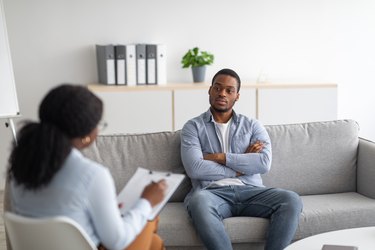
Keep an eye out for the nonverbal signals that both you and your partner are sending. One of the most noticeable signals to watch out for is your partner’s position and posture. For example, if your partner’s head is turned toward you but the rest of his body is shifting away from you, you may not have his full attention. If, on the other hand, he is squarely facing you and leaning forward slightly while you speak, his body language is letting you know that he is both attentive to and interested in what you have to say.
Considerations
Improve communication with your partner by recognizing and accommodating each other’s preferred communication style. If you approach a conflict with your partner by using the method of communication that most appeals to him, she will be more likely to respond positively and thereby improve your chances of resolving the issue. You can determine your partner’s preferred communication style by looking at how she has handled conflict with you in the past. If she is the type to avoid a verbal confrontation by running away or clamming up while you protest, accommodate her communication style by confronting the issue in writing and giving her an opportunity to respond to your concerns at his own pace.
Potential Pitfalls
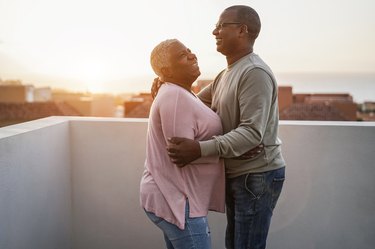
Shouting at your partner in anger is one example of how you might disrespect him and thereby hinder the possibility of engaging in effective communication. Think about how you react when someone shouts at you. Chances are that you tune out whatever is being said and focus instead on generating an angry or perhaps even defensive response to the perceived attack. Another potential pitfall to avoid is the temptation to try and “win” the argument. Think of effective communication as more of a dance than a battle. You and your partner need to move together in harmony and use compromise to reach solutions that benefit both of you equally.
References
- Effective Communication
- Benefits of Effective Communication
- “The 7 Habits of Highly Effective People”; Stephen R. Covey; 1989
- Techniques for Effective Communication
- Improving Couples' Communication


Member Comments