

































































According to the American Gastroenterological Association, one in 10 Americans experiences heartburn or some type of acid reflux symptoms at least once per week. Acid reflux can be triggered by a number of factors, including certain medications, foods or even stress. Aside from antacid medications, there are a number of natural remedies to relieve acid reflux and indigestion.
Types
Acid reflux, or gastroesophageal reflux, is a condition where acids in the stomach flow backwards into the esophagus. The esophageal sphincter acts as a valve located between the stomach and the esophagus. When the valve does not close properly after eating certain foods, the stomach acid does not stay in the stomach and flows back up into the esophagus. Symptoms associated with acid reflux include a sour taste in the back of the mouth or vomiting. Gastroesophageal reflux disease, or GERD, is often considered a type of acid reflux, but is actually a more chronic condition. The same symptoms are associated with GERD as with acid reflux, but can also include coughing or difficulty swallowing. GERD can lead to more serious problems such as ulcers or narrowing of the esophagus. Last, acid indigestion is closely related to acid reflux and GERD but the symptoms differ slightly. Acid indigestion usually causes a burning sensation in the chest or throat and is due to a reflux of acid in the stomach, hence, it is often referred to as heartburn.
Causes
There are many causes of acid reflux, however, medications and food choices are the most common. Certain medications such as aspirin, anti-inflammatory medications and pain medications can cause chronic gastric problems. Along with medications, foods such as fried or fatty foods, chocolate, carbonated beverages and caffeine can contribute to acid reflux symptoms. Lifestyle factors such as obesity, smoking and stress are other known causes of acid reflux. Certain medical conditions such as pregnancy or hiatial hernias can increase the risk of experiencing acid reflux symptoms.
Prevention
A remedy for preventing acid reflux can be as easy as changing your wardrobe. Clothing that fits tightly around the abdomen can squeeze the stomach and force food against the esophageal sphincter. This, in turn, causes food and acid to reflux into the esophagus. When choosing clothing, do not wear tight-fitting belts or jeans, or slenderizing undergarments that can squeeze the stomach. Wearing tight clothing after eating a large meal can especially induce the acid reflux symptoms.
Food Triggers
As mentioned above, foods are often the most common culprit of acid reflux symptoms. Foods that cause acid reflux are caffeinated beverages such as coffee or teas, alcohol, fried or fatty foods, chocolate and citrus juices. Spicy foods are often thought to cause acid reflux, but this is not always true. Sometimes, eating large portions can contribute to acid reflux symptoms. For those who suffer with heartburn or other acid reflux conditions, eating smaller portions and being selective on food choices are the most effective ways to natural heal the condition. Tracking food consumption with a food diary is often recommended. Keeping a food diary will help determine which foods most frequently cause the acid reflux and heartburn symptoms. Limiting consumption of the triggering foods is an effective method to prevent reflux. Furthermore, sitting up for 45 minutes following a meal can help reduce the incidence of reflux. Likewise, eating at least two to three hours before bedtime can decrease night-time acid reflux symptoms.
Healing Foods
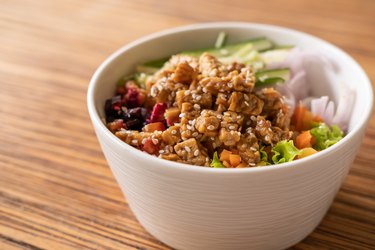
Just as certain foods can contribute to heartburn, there are other foods that can help heal acid reflux. Yogurt and kefir are the most well-known foods that can inhibit gastric reflux due to the presence of healthy bacteria. Certain vegetables such as carrots and broccoli can also naturally heal acid reflux. Broccoli contains a compound called sulforaphane that prohibits the growth of certain bacteria such as Helicobacter pylori, which cause gastrointestinal illness. According to the journal “Cancer Prevention Research” in 2009, “Treatment with sulforaphane-rich broccoli sprouts seems to enhance the gastric mucosa against H. pylori-induced oxidative stress.”
Probiotics
Bacterial cultures in probiotics such as Lactobacillus are known to aid in a variety of stomach ailments, including heartburn and acid reflux. Steven D. Ehrlich, NMD, from the University of Maryland Medical Center, notes that “probiotic supplements with 5 to 10 billion colony forming units per day can help with digestive health.” Probiotics are healthy, friendly bacteria that line the intestinal tract. Probiotics can help maintain a balance in the digestive system between good and harmful bacteria. Some probiotic supplements need to be refrigerated for best results.
Herbs
Licorice and peppermint herbs can promote natural healing for gastric reflux. Licorice may help protect against stomach damage from anti-inflammatory medications. According to the “Journal of Pharmacy and Pharmacology” published in 1994, “Liquorice protects against gastric ulcers induced by aspirin.” The recommended dosage of licorice extract is 250 to 500 mg three times daily, chewed either one hour before or two hours after meals. Peppermint oil is also recommended for natural relief of gastric conditions. According to the 2007 medical journal “Digestive and Liver Disease,” “Treatment with peppermint oil improves abdominal symptoms.” Peppermint may be consumed one tablet two to three times daily may help relieve gastrointestinal symptoms including heartburn.
References
- American Gastroenterological Association
- Cancer Prevention Research: Dietary sulforaphane-rich broccoli sprouts reduce colonization and attenuate gastritis
- University of Maryland Medical Center: Gastroesophageal Reflux Disease
- Journal of Pharmacy and Pharmacology: The protective effect of liquorice components
- Digestive and Liver Disease: Peppermint oil


