




































































Dangers of Type 2 Diabetes

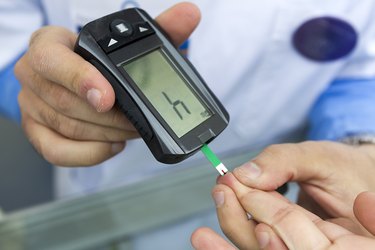
Type 2 diabetes is a condition in which the body becomes resistant to the effects of insulin. Because insulin is a hormone which pulls sugar out of the blood, patients with type 2 diabetes often have increased blood sugar. High levels of sugar in the blood can lead to a number of dangerous complications.

Cardiovascular Hazards

One of the main dangers that occurs with type 2 diabetes is an increased risk of cardiovascular disease, the American Diabetes Association explains. Patients with type 2 diabetes have an increased risk of developing heart disease. Part of this is because diabetes speeds the process by which cholesterol builds up in the arteries, causing them to harden and become more narrow. This causes blood pressure to increase, which strains the heart. In addition, small bits of cholesterol can break off from larger arteries and move to the smaller arteries that supply the heart and brain, leading to a heart attack or stroke.

Vascular Damage

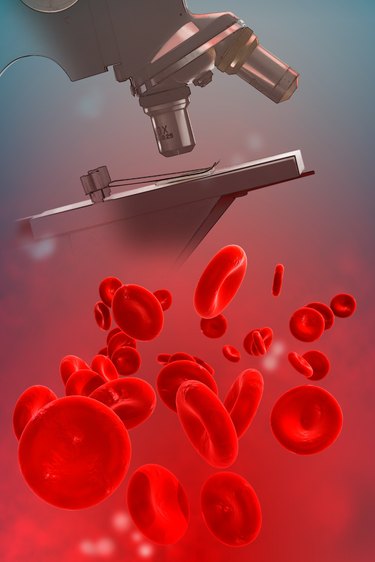
Many of the complications of type 2 diabetes stem from the effects of high blood sugar on small blood vessels. High amounts of glucose can clog the small blood vessels, known as capillaries, which are necessary for carrying blood to sensitive tissues. When these capillaries become clogged due to high levels of glucose, blood flow to some tissues can be impaired. This can lead to poor oxygen flow, which can result in tissue death.

Vision Problems

Type 2 diabetes can affect vision, the Federal Citizen Information Center explains. Temporary blurring of vision can be caused by fluid changes in the lens of the eye, which can be the result of high blood sugar. Because the lens works to help focus images, changes in the fluid inside the lens can make it difficult for the eyes to properly focus. Poor blood flow due to damaged capillaries can also affect the retina, which is the portion of the eye that turns light into signals to the brain. This condition, known as diabetic retinopathy, can lead to blindness.

Kidney Failure

Another danger of diabetes is damage to the kidneys, which are important for filtering the blood and excreting waste products as urine, the National Institute of Diabetes and Digestive and Kidney Disorders explains. The part of the kidney that does this, known as the glomeruli, can be damaged as a result of high blood sugar. Extensive damage to the glomeruli can cause the kidneys to fail. High blood pressure, which can be caused by a buildup of cholesterol in the body's arteries, can also result in kidney damage. Patients with type 2 diabetes can develop kidney failure and require dialysis or a transplant.

Nerve Damage

Another hazard of diabetes is damaged nerves. Nerve tissue is very delicate and extremely high blood sugar can cause irreversible nerve damage. This can cause patients to develop tingling or numbness in certain parts of their body, particularly the extremities. Consequently, patients with type 2 diabetes should regularly check their feet for cuts, wounds or infections because they may have diminished sensation in those areas that prevents them from feeling foot pain. Foot wounds are especially dangerous because impaired circulation can also make it difficult for wounds to heal, leading to serious infections.

References

Article reviewed by OmahaTyppo Last updated on: Jul 5, 2010

Must see: Photo Galleries