











































Goldenseal Compared to Yellow Root Tea

Goldenseal Compared to Yellow Root Tea
Photo Credit Black Tea Pot image by Jo Hoden from Fotolia.com

Goldenseal, also known as yellow root, has been used as a medicinal plant for hundreds of years. Although goldenseal once grew wild all over the northern United States, it was overharvested and is now close to being put on the endangered species list.

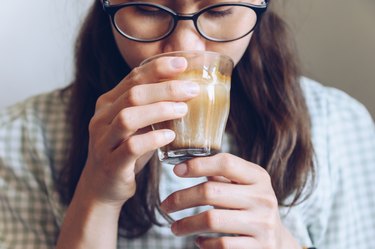
One of the most effective ways to take goldenseal is to make it into tea. Goldenseal tea and yellow root tea are synonymous, according to the National Center for Complementary and Alternative Medicine, or NCCAM, and the Medicinal Herb Info, or MHI, websites.

So far, there are very few published clinical studies of goldenseal’s medicinal effects. Before starting to take goldenseal, consult with your health care provider.

Benefits

Goldenseal is used for its antimicrobial, laxative, astringent and anti-inflammatory properties.

The University of Maryland Medical Center, or UMMC, website says that goldenseal is often used to treat conditions of the upper respiratory system. It’s often combined with echinacea and used to ease the symptoms of colds, the flu and hay fever. This herb combination is also used to help boost the immune system. Goldenseal is often used to treat minor cuts and scrapes as well as acne, eczema and psoriasis.

The Memorial Sloan-Kettering Cancer Center, or MSKCC, site explains that goldenseal was used by traditional Chinese medical practitioners to treat dysentery and infectious diarrhea.

The National Center for Complementary and Alternative Medicine reports that occasionally, goldenseal has been used to treat cancer or diabetes, but you should consult with your health care provider before using the herb this way.

How Used

The underground stems and roots of the goldenseal plant are dried and used to make the medicinal tea. It might also be used to make liquid extracts or capsules, according to the NCCAM.

Side Effects

So far, little is known about goldenseal’s effects on the body. But the Memorial Sloan-Kettering Cancer Center website explains that the side effects of taking the herb include nausea, vomiting, depression, nervousness, bradycardia, respiratory depression, hallucinations or seizures when large amounts are taken.

Research

Very little research has been done to determine whether goldenseal is an effective treatment for the mentioned medical conditions. However, one of the components of goldenseal, berberine, is currently being studied in research funded by the NCCAM.

Considerations

Pregnant or breast-feeding women should not use goldenseal.

Be sure to talk to your health care provider if you take any other prescription or alternative medications to avoid dangerous interactions. Taking any new supplement could result in an allergic reaction. Be aware of any rashes, hives or shortness of breath while using goldenseal. If these occur, stop its use and contact your health care provider.

References

Article reviewed by David Penick Last updated on: Jul 10, 2010

Must see: Photo Galleries

Member Comments