



























































Nutrition for Wrinkles

Nutrition for Wrinkles
Photo Credit portrait of an old woman image by studio vision1 from Fotolia.com

Want to ward off wrinkles or make the ones you may have less noticeable? Good nutrition can help. Research suggests that certain nutrients enhance the look of your skin and may make your face less prone to wrinkles. "While these nutrients won't entirely erase wrinkles, they may help keep your face more youthful-looking and less apt to develop dryness and premature wrinkles," says Eliza Zied, R.D., a registered dietitian in New York City and author of "Nutrition at Your Fingertips." Here are the nutrients you need to help wrinkle-proof your skin.

Antioxidants

Long-term exposure to the sun, pollution and stress can cause free radical damage to your skin. The good news is that a diet loaded with antioxidant-rich fruits and vegetables may help to fight free radical damage, according to Zied. In fact, research from Monash University in Melbourne, Australia, published in the Journal of the American College of Nutrition in 2001 concluded that higher intakes of vegetables, as well as olive oil and legumes, may be protective against skin wrinkling. Zied also recommends adding antioxidant-rich blueberries to your diet.

Lutein

Lutein, a phytochemical commonly linked with eye health, may also protect your skin from fine lines and crow’s feet, according to a September 2009 report in the American Journal of Lifestyle Medicine. Tufts University researchers reported that epidemiological studies have linked high intakes of lutein with a decreased risk of wrinkling. Kale, spinach, corn and egg yolks are good food sources.

Vitamin C

Vitamin C helps build collagen, which may help reduce skin sagging and wrinkling, says Zied. Research backs this up. In a study published in the October 2007 issue of the American Journal of Clinical Nutrition, researchers found that higher vitamin C intakes were associated with a lower likelihood of looking wrinkled. Citrus fruits, strawberries and tomatoes are excellent sources of vitamin C.

Zinc

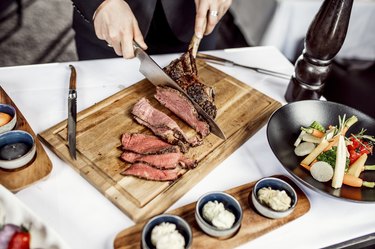
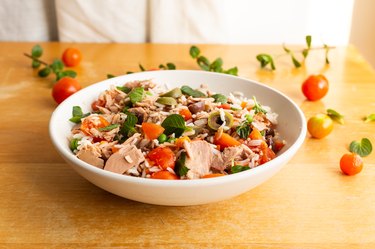
To stave off leathery skin, add foods rich in zinc to your diet, recommends Zied. Seafood, lean meats, nuts and milk are the best sources of zinc, which helps prevent scaly, rough skin, says Zied. Vegetarian diets are often deficient in zinc, since this mineral comes mostly from animal foods. However, pumpkin seeds are a good source of zinc for people on strict vegetarian diets, notes Zied.

Omega 3

Aging causes your skin’s oil production to slow down, resulting in dryness and fine lines. But omega-3s may help to replenish this oil. Omega-3 fatty acids found in salmon, sardines, cod and other fatty fish help to bolster the skin’s natural oils, according to Zied. Indeed, Monash University’s research, reported in the Journal of the American College of Nutrition, found less skin wrinkling in regular fish eaters.

Vitamin D

Vitamin D, also known as the sunshine vitamin, is produced by the body when UV rays hit the skin. But given the aging effects of the sun, Zied recommends getting this essential bone-building nutrient from foods. Cod liver oil, fortified eggs, milk and fortified cereals are good sources.

Water

Staying well hydrated will help to prevent excessive dryness leading to fine lines by maintaining moisture levels of the epidermis. Plus, water carries nutrients to the skin, promoting a healthy, radiant complexion. In addition to drinking at least six glasses of water daily, reach for watery foods, suggests Zied. Foods that have high water contents include cucumbers, celery, grapefruit and watermelons.

References

Article reviewed by GlennK Last updated on: Jul 12, 2010

Must see: Photo Galleries

Member Comments