





































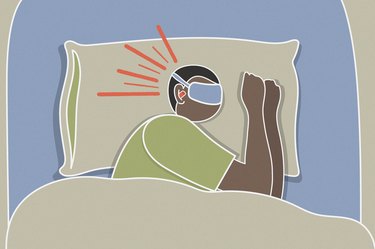
































Tinnitus is a condition in which a person hears sounds in his ears such as ringing, hissing, buzzing or roaring. The sounds are not external, and depending on the cause, may or may not be heard by a doctor upon examination of the patient. Tinnitus can occur in both ears or only one, and can be constant or sporadic. The condition may be a mere annoyance or become serious enough that a person's hearing and everyday activities are disrupted. Tinnitus can be a normal sign of aging in some people, but there are many other specific causes as well.
Wax Buildup
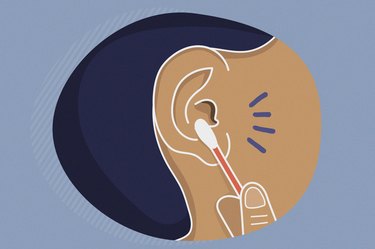
Ear wax is a normal substance that protects the ears, but sometimes it may be too much of a good thing. Excess wax can build up in the canals of the ears in some people, leading to hearing difficulties or tinnitus. Removing the wax with a cotton swab is usually not enough to relieve tinnitus; a visit to an ear, nose and throat doctor may be needed for professional removal.
Loud Noise
Tinnitus can be caused by long-term overexposure to loud noise. The high decibel levels of a rock concert or a construction site, for example, can lead to a ringing in the ear, if protective devices such as earplugs are not used. The American Tinnitus Association reports that tinnitus that stems from prolonged exposure to loud noise often goes hand in hand with some degree of hearing loss.
Medication
Tinnitus can be a side effect of medications that a person may be taking. Each person reacts differently to the same medication, so it's important to discuss any side effects related to hearing with a doctor. The medication that is causing tinnitus may be replaced with a different drug that is not ototoxic (poisonous or toxic to the ear).
Underlying Illness
A variety of different ailments can induce tinnitus in some people. Common colds and sinus infections may lead to temporary tinnitus that is relieved once the infection is treated. Thyroid problems and Lyme disease may cause a person to hear whistling, ringing and clicking in her ears. Cardiovascular disease may be a cause, in which case the noise in the ear may be the exaggerated sound of the heart beating.
Structural Abnormalities
Abnormalities of the ear and jaw can cause tinnitus. Tumors may press down on auditory nerves and produce tinnitus. Jaw disorders such as TMJ (temporomandibular joint disorder) can cause people to hear noise in their ears.


