




























































What Is an Herbal Diuretic?

What Is an Herbal Diuretic?
Photo Credit Dandelion image by Andrey Kobyak from Fotolia.com

Diuretics are medications that promote urine flow, encouraging your kidneys to increase its output of salt and excess fluid. Certain herbs can act as diuretics and help in treating edema, or excess fluid retention in the body. Because edema often has an underlying cause related to a potentially serious medical condition, such as preeclampsia, heart failure or chronic venous insufficiency, you must consult your doctor before self-administering any herbal diuretics.

Herbs

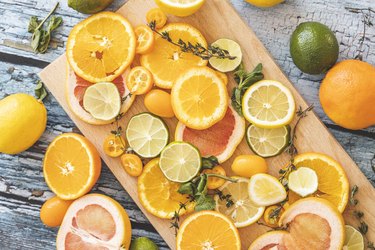
Certain herbal remedies might act as diuretics, including those containing dandelion leaves, horsetail, cleavers, bilberry, butcher’s broom, grape seed extract, juniper, goldenrod, rosemary, parsely, buchu and horse chestnut. The flavonoids isolated from a wide range of herbs and citrus can also provide diuretic effects, notes the University of Michigan Health System. No widely-accepted medical research supports the use of any herbal remedy for treating edema or for diuretic actions, however.

Function

Bilberry and grape seed extract offer general antioxidant actions that might help in treating edema, while dandelion directly increases urine production like conventional diuretics, according to the University of Maryland Medical Center. One of the most powerful herbal diuretics, goldenrod stimulates the kidneys to promote diuretic actions. Horse chestnut, horsetail, rosemary, parsely, buchu, juniper oil and cleavers also stimulate increased urine output.

Medical Evidence

A 2003 study published in the Journal of Medicinal Food Plants found that the polyphenolics contained in grape seed extract might have diuretic effects that reduce swelling in the legs related to chronic venous insufficiency, says the University of Maryland Medical Center. Two preliminary clinical trials published in Germany in 1977 and in Italy in 1981 revealed that injections of aescin isolated from horse chestnuts acted as a diuretic to reduce edema after surgery. An animal study published in Planta Medica in 1974 discovered that dandelion leaves have diuretic effects equal to the prescription medication furosemide or “Lasix,” notes the University of Michigan Health System. Several studies published by the European Scientific Cooperative on Phytotherapy in 1996 found that goldenrod increases urine output, according to the University of Pittsburgh Medical Center. However, few other studies have been performed on any other herbs used as diuretics.

Dosage

You might take 360 mg of standardized grape seed extract twice daily or 80 to 100 mg of bilberry extract three times daily for antioxidant and diuretic benefits, notes the University of Maryland Medical Center. Alternatively, you may take 150 mg of butcher’s broom extract two or three times daily, or 4 to 10 grams of dandelion leaves steeped in 1 cup of hot water. The standard recommended dosage of cleavers is 10 to 15 grams of the herb steeped in 1 cup of hot water and taken three times per day, while the dosage of goldenrod is 3 to 4 grams of dried herb taken two or three times per day, says the University of Pittsburgh Medical Center. Finally, you might take 1 gram of horsetail in capsules or made into a tea and taken three times per day. Ask your doctor about the proper dosage of these herbs before you take them as diuretics.

Warnings

All herbs pose unique health risks, drug interactions and side effects. For example, bilberry and dandelion can interfere with blood-thinning medications like anticoagulants and antiplatelets. Dandelion might also worsen gallbladder disease. Horsetail can have dangerous interactions with digitalis drugs, and it can contain harmful substances like nicotine and toxic metals absorbed from the environment. All diuretic herbs have the potential to cause you to lose potassium and become dehydrated, especially if you’re taking lithium and certain other medications. Talk with your doctor about these potential health risks before taking any herbal diuretic.

References

Article reviewed by AKanjuka Last updated on: Jul 14, 2010

Must see: Photo Galleries