



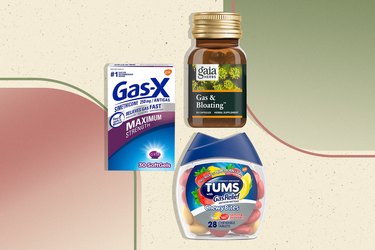





























































In a healthy body, the pancreas produces digestive enzymes to help break down proteins, fats and carbohydrates from food as they move through the gastrointestinal tract. Other digestive enzymes are produced in saliva, the stomach and the intestines to assist in the breakdown of nutrients from food. Although digestive enzyme supplements are available over the counter, only those prescribed by a physician are likely to help increase food and nutrient absorption.
Human Enzymes
In the body, three naturally produced enzymes digest the major nutrients in food. The pancreatic enzyme protease and the stomach enzyme pepsin work together to digest proteins and break them down into individual amino acids. Pancreatic lipase digests lipids, or fats, and breaks them down into individual fatty acids. Amylase, produced in the pancreas and in saliva, starts the process of digesting carbohydrates, which are ultimately broken down to the simple sugar glucose. Many other enzymes are produced in the pancreas and elsewhere in the body to further break down food components into more easily digestible parts.
Considerations
When there is a problem with the pancreas, such as chronic pancreatitis or pancreatic cancer, the production of major digestive enzymes is sometimes disrupted. Other medical problems, such as liver disease and severe gastrointestinal disorders, can also interfere with the action of pancreatic enzymes, because enzymes and other substances produced in other parts of the body are necessary for proper digestion. Cystic fibrosis causes a blockage between the pancreas and small intestine that prevents digestive enzymes from doing their job.
Supplemental Enzymes
Lipase, protease and amylase supplements prescribed by a doctor can help people with conditions such as chronic pancreatitis or cystic fibrosis better digest food. Antacids are sometimes prescribed along with prescription enzyme pills to help prevent the enzymes from being digested by gastric acid in the stomach. Some digestive enzyme supplements come with enteric coating or in other formulations that protect the pill from breakdown by gastric acid until it reaches the intestine.
Misconceptions
In addition to the enzymes produced in the body, digestive enzymes are found in raw, unprocessed foods such as papain from papaya and bromelain from pineapple and in microorganisms found in some fermented foods. In their natural state, or in supplemental forms sold in health food stores and some drugstores as digestive aids, however, these enzymes are digested when consumed, just like any other component of food and as a result are not active in the gastrointestinal tract and are unlikely to aid the digestive process. One exception is supplemental lactase, which digests lactose, or milk sugar, and is helpful for people with lactose intolerance who wish to drink milk or consume other dairy products.
Benefits
When digestive enzymes are not produced, or their activity is blocked, side effects such as gas, diarrhea, pain and malnutrition occur. Prescription enzyme supplements prevent or diminish these side effects in people who do not have normal enzyme activity. There are no digestive benefits to taking most over-the-counter enzyme supplements, according to Columbia University Health Services.
References
- Cedars-Sinai: Pancreatic and Biliary Diseases
- Columbia University Health Services: Go Ask Alice!--Enzymes
- Medical University of South Carolina: Digestive Disease Center--Digestive Problems
- Connecticut College Cystic Fibrosis Support Group: Nutrition in Cystic Fibrosis
- National Digestive Diseases Information Clearing House: Gas in the Digestive Tract--Nonprescription Medicines


