




































































An aneurysm is a weakened portion of the arterial wall that balloons out. Most aneurysms occur in portions of the aorta, though arteries in the brain can also balloon. It is critical to identify an aneurysm before it ruptures. High blood pressure, elevated cholesterol levels and certain genetic conditions can increase a person's risk of developing an aneurysm.
Pain
Pain is a common symptom of an unruptured aneurysm, according to the National Heart, Lung and Blood Institute. The location of the pain varies depending on the location of the aneurysm. An aneurysm in the chest can result in pain in the back, chest, jaw or neck. Abdominal aneurysms can result in a throbbing pain which occurs in the abdomen, though some patients experience pain in their sides or back. Aneurysms of the abdominal aorta can also result in a gnawing or burning pain that lasts for hours or days at a time.
Pulsating Sensation
Aneurysms in the abdomen can result in a pulsating sensation, according to the Merck Manual. The blood pushes against the thinned walls of the ballooning artery, often in such a way that the patient can feel it. This can result in the patient feeling their pulse in the area of the body with the aneurysm, without palpation.
Throat Pressure
An aneurysm of the thoracic aorta can press on structures at the bottom of the throat. If the aneurysm puts pressure on the trachea, swallowing can become difficult. Pressure on the voice box can also lead to hoarseness and coughing. In extreme cases the aneurysm can cause erosion or irritation of the trachea.
Horner's Syndrome
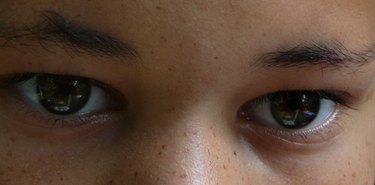
Some of the nerves that connect the eyes and provide nerve signals to the face exit the spinal cord and travel through the chest. If these nerves are compressed by an thoracic aortic aneurysm, a condition known as Horner's syndrome can result. Some of these nerves control the muscles of the eyelids; compression can lead to the eyelid of one side of the face drooping, which is also known as ptosis. These nerves are also part of the autonomic nervous system, which controls unconscious actions such as pupil dilation and sweating. Consequently, patients with a thoracic aortic aneurysm can have increased sweating and a constricted pupil on one side of the face. The ptosis and autonomic dysfunction will occur on the same side of the face.
Brain Pressure
Aneurysms can also occur in the arteries in the brain, resulting in symptoms that result from pressure on the brain and other nearby nervous tissue. The symptoms of a brain aneurysm vary depending on where in the brain the aneurysm is located. Some aneurysms can press on the optic nerve, resulting in eye pain and changes in vision. Other aneurysms can compress nerves that exit the brain stem and connect to the face; this can result in paralysis, weakness, and numbness in portions of the face, the Mayo Clinic explains.


