




































































Lymphoma is a form of cancer caused by uncontrolled growth of lymphocytes, cells that the body uses to defend against infection. Many forms of lymphoma can be successfully treated with chemotherapy, strong medications that kill the rapidly dividing cancer cells. However, the drugs are administered systemically, meaning they are injected into the bloodstream and reach every part of the body. As a result, these chemotherapy treatments often kill other cells in the body, causing side effects. The side effects range from temporary and mild to long-term and serious.
Nausea and Vomiting
The cells lining the digestive system reproduce frequently, meaning they are also commonly affected by chemotherapy medications. As a result, nausea and vomiting are two frequent side effects of chemotherapy, explains the National Cancer Institute. The nausea and vomiting can also lead to loss of appetite and weight loss. In addition, sores on the lips or inside of the mouth can result from damage to the cells in these locations. This can also lead to difficult, sometimes painful swallowing. These side effects are usually temporary and disappear after a short time.
Sexual Side Effects
The powerful chemotherapy medications often affect sperm cells in men or egg cells in women, which can lead to infertility, either temporarily or permanently, the Lymphoma Research Foundation reports. Some patients elect to have sperm or egg cells removed and frozen before undergoing chemotherapy. Chemotherapy may also cause a decrease in sex drive, or libido. This effect usually disappears when the chemotherapy ends.
Fatigue
Fatigue is another common side effect of lymphoma chemotherapy. Patients often feel generally tired, weak and ill after receiving chemotherapy medications. Aches and pains throughout the body may also occur. These debilitating physical effects may also cause depression. The fatigue and aches may be temporary; however, some patients suffer from fatigue for years after the treatment, according to the New York Times Health Guide.
Hair Loss
Hair follicles, the cells that grow hair, are another type of cell that is constantly growing in the body. This means hair follicles are also vulnerable to chemotherapy agents. If hair cells die as a result of treatment, this can lead to thinning hair or complete hair loss, Cancer Research UK explains.
Loss of Blood Cells
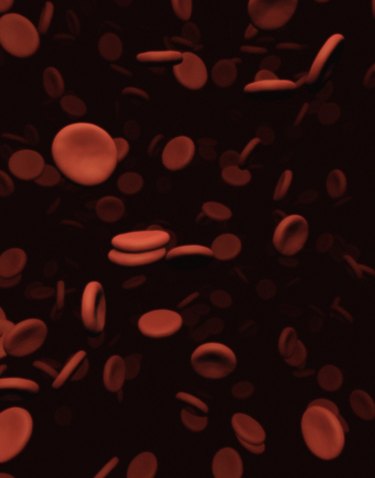
Both red and white blood cells also reproduce frequently and are often heavily damaged by chemotherapy, the University of Maryland Medical Center explains. Red blood cells carry oxygen from the lungs to all other cells in the body. A decrease in red blood cells is called anemia. Doctors can prescribe other medications to treat anemia in patients receiving chemotherapy. White blood cells fight infection in the body. When white blood cells are depleted, the condition is called neutropenia. Without white blood cells, a patient is more likely to develop infections from other types of germs. Other medications can be also used to treat neutropenia.
Other Effects
Certain chemotherapy can cause damage to the liver or kidneys, which may cause long-lasting effects. Some patients experience loss of bone mass, which can lead to bone thinning, otherwise known as osteoporosis. Some drugs, such as mitoxantrone or doxorubicin, have also been shown to increase the risk of heart failure.
References
- Lymphoma Research Foundation: Lymphoma Side Effects and Toxicity
- Cancer Research UK: Chemotherapy and Side Effects for Non-Hodgkin's Lymphoma
- New York Times Health Guide: Non-Hodgkin's Lymphoma
- National Cancer Institute: What You Need to Know About Non-Hodgkin Lymphoma
- University of Maryland Medical Center: Non-Hodgkin's Lymphoma - Chemotherapy


