














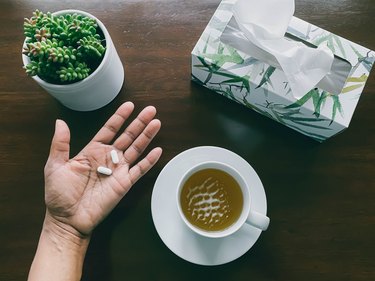


Spirulina is algae known for its high nutritional content. It is sometimes used as a supplement to help treat certain conditions, such as allergies. However, medical studies have not proven spirulina to be effective in humans for any illness. In addition, spirulina can contain toxic substances, which may result in hazardous side effects.
Definition
Spirulina is a type of blue-green algae that has a high content of vitamins, minerals, protein and antioxidants. The vitamins and minerals found in spirulina include B vitamins, vitamin E, zinc, copper and iron. It is named for the spiral formation in which it grows. According to the University of Maryland Medical Center, spirulina is often sold as a nutritional supplement for its possible health benefits including boosting the immune system and fighting allergic reactions.
Medical Benefits
Some studies have suggested that spirulina has several health benefits, most notably in boosting the immune system and protecting against allergic reactions. According to UMMC, a number of animal studies showed spirulina increased the production of antibodies and other immunity improving cells that help ward of infection illness. However, no such tests have been done on humans. Other studies suggest that spirulina can help stop the production of histamines, substances that cause allergic symptoms, thus stopping allergic reactions. Once again, however, no studies have been done on humans.
Other possible conditions that may be positively affected by spirulina include liver disorders, cancer and certain infections. However, it is important to note that spirulina has not been proven to be effective for these or any other medical condition.
Protein
Spirulina may also be used as a protein supplement. According to UMMC, amino acids, the building blocks of proteins, make up 62 percent of spirulina. However, although spirulina is rich in protein, a large amount of it would need to be consumed to see results.
Taking Spirulina
Spirulina is commonly sold in health food stores. It comes in several forms including pill, powder and as flakes. Dosages for spirulina vary, ranging from 1 to 8 g per day. If you decide to start taking spirulina or any dietary supplement, you should first consult your doctor to find the correct dosage for your condition.
Precautions
Some people may experience side effects when taking spirulina. Spirulina is considered safe. However, it can also contain toxic elements, according to UMMC, which recommends buying from a reputable source to avoid any complications. Pregnant and breastfeeding women should ask a doctor before taking the supplement. In addition, if you have certain autoimmune conditions, it could stimulate your immune system and worsen your condition. Spirulina can also have interactions with certain medications.


Member Comments