






















































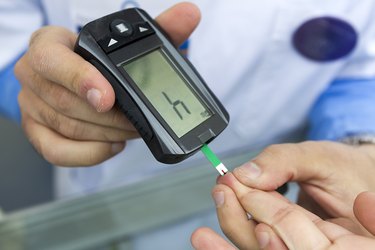










With diabetes, the body does not produce enough insulin to use the sugar that we consume in or diets. As a result, people with diabetes have to administer their own insulin. Because insulin needs vary by individual, and even by circumstance, diabetics may need several insulin shots each day and need to measure their blood sugar before each shot. They also need to adjust their exercise and eating habits to match any insulin they have already taken. Unfortunately, sometimes, diabetics miscalculate the amount of insulin they need, or they end up in situations where they are unable to eat in a timely manner. When this happens, the high insulin levels in the blood cause a dangerous drop in blood sugar---a condition known as hypoglycemia or diabetic shock. While a hypoglycemic attack is potentially dangerous, there are things that you can do if one occurs.
Recognize the Symptoms
Many seasoned diabetics are aware when their blood sugar is low however, if their blood sugar is low enough, they may not be lucid enough to recognize that something is wrong. Hypoglycemia causes changes in personality and cognitive function---they may even appear intoxicated. Other symptoms include dizziness and sweating, clumsy movements, irritability and confusion. In severe cases, the person may actually fall unconscious. However, the key here is recognizing the symptoms early on and administering immediate care.
Administer Sugar
The best response to a hypoglycemic attack is sugar. Most diabetics should carry glucose tablet with them, for just such an emergency. In the absence of glucose tablets, candy, juice, sugary soft drinks and anything else with straight sugar will do. It has to be sugar. According to the American Diabetes Association, the ideal dosing is three glucose tablets or 1/2 cup of fruit juice or five to six pieces of hard candy.
Glucagon Injections
Some diabetics may have their physicians prescribe glucagon. Glucagon is a hormone, produced by the pancreas, that raises blood sugar. Glucagon is administered by injection, like insulin, and the diabetic may be able to inject himself. If he is not, then you or someone else may need to.
Call Emergency Services
If the person has lost consciousness, or if you are unable to administer sugar or glucagon, contact 911 immediately. The longer you wait, the lower her blood sugar levels will drop and the greater the risk of slipping into a coma. If the diabetic does pass out, do not administer sugar or insulin, do not inject glucagon and do not give her food or liquids. Wait with her until help arrives and make her a comfortable as possible. Make note of the time of the attack because the paramedics will ask.


