









Natural Ways to Deal With Anxiety
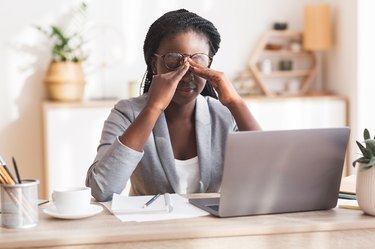
Anxiety can be as mild as worrying about how to pay this month's bills to a more serious condition called generalized anxiety disorder or GAD. GAD is a serious condition in which someone has overwhelming feelings of constant anxiety that do not go away on their own. Many people seek out prescription medications to counteract anxiety symptoms, but there are alternatives to medications that may prove to be equally as successful.
Diet
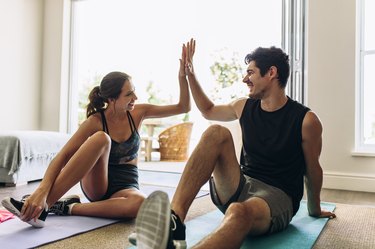
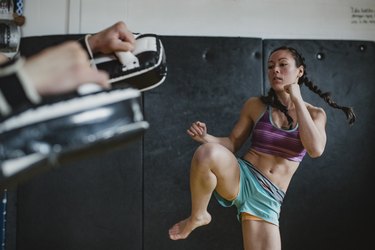
One way to combat anxiety and find natural relief is through diet. Many symptoms of anxiety, including fear, shaking, paranoia and even depression, can be linked to many of the foods humans eat. Avoiding foods that might trigger those symptoms can be a good starting step. Foods and drinks that contain caffeine, such as coffee, sodas, chocolates and stimulant drinks, should be avoided. Foods that contain instant sugars or have a high carbohydrate count such as potato chips and packaged junk food should also be avoided to avoid periodic spikes in blood sugar levels throughout the day. Eating healthfully and getting plenty of exercise daily can also help combat many anxiety symptoms.
Exposure
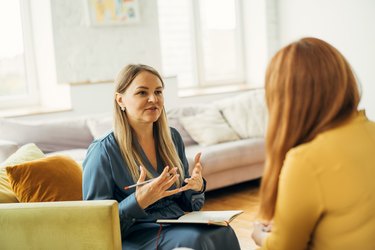
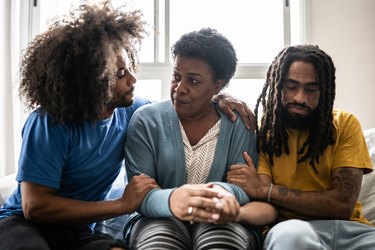
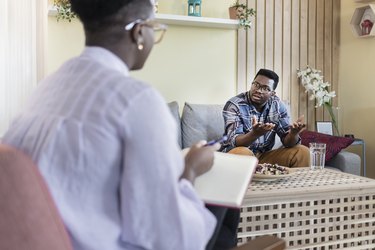
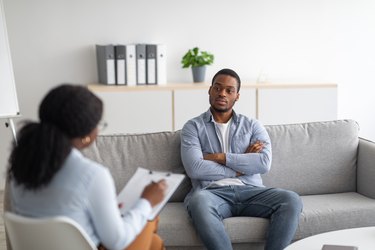
If there is a certain trigger that brings about an anxiety attack or sense of extreme worry, sometimes facing an exposure to the trigger will help to combat the anxiety. One way many psychologists treat GAD or excessive anxiety is by exposure or cognitive behavioral therapy. Someone who suffers from anxiety can have several triggers. For example, someone who fears leaving their home might have to slowly expose herself to leaving her home. Having a strong support system to assist with exposure therapy is important.
Breathing Exercises
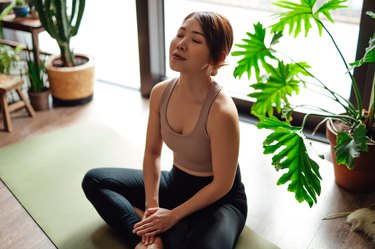
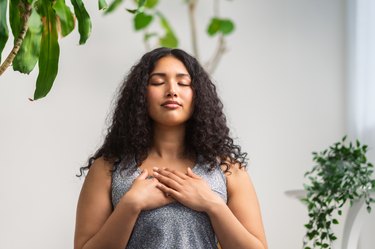
One way to relieve anxiety without medication can be through controlled breathing. When someone is anxious or experiencing a panic attack, their heart rate can become elevated and their breathing can become shallow and rapid. This is the body's natural response to stress. Taking the time to sit down and relax can calm the body down. Closing the eyes and breathing from the abdomen can also reduce stress. Trying to breathe more slowly by inhaling through the nose rather than the mouth. Exhaling through the mouth might help prevent hyperventilation and reduce anxiety.
Relaxation Techniques
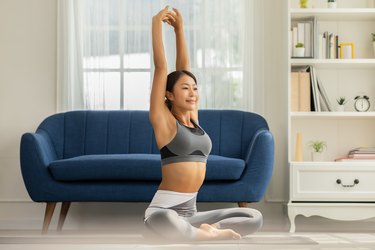
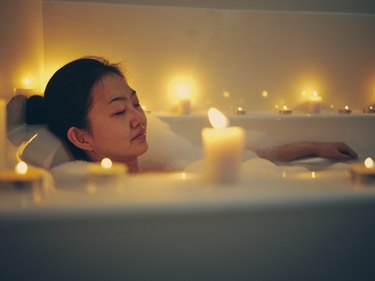
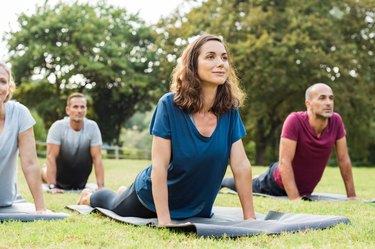
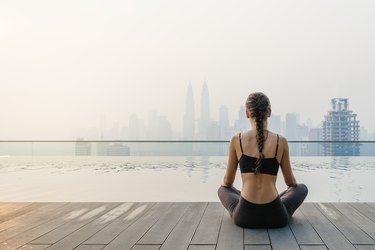
Using relaxation techniques is essential to controlling anxiety without medication. Finding a quiet and peaceful place to relax helps. Another is to reduce muscle tension. Focus on certain muscle groups at a time, such as the upper chest or shoulders. Begin to mentally and physically clench the muscles as tightly as possible--hold for a few seconds and then release. This forces muscles to relax naturally. Implementing yoga or meditation techniques is also a good combat against anxiety. Finding a place to be alone will allow for an opportunity to gather thoughts, read and listen to quiet, relaxing music.
Self Talk Therapy
When anxiety levels seem out of control or begin to escalate, using self-talk therapy might help. Reaffirming is a helpful tactic. Say, "These are only symptoms, they will come and go just like my anxiety" or "This is only my body's natural reaction to stress, I can choose how I want to react to that stress." Sometimes acknowledging the anxiety is the easiest and safest way to dissipate it.


Member Comments