
















































Balanced Diets for Teens

Balanced Diets for Teens
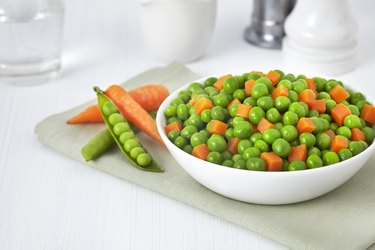
Photo Credit fruit and vegetables image by photo25th from Fotolia.com

To ensure a balanced diet correct for your teen, go to the U.S. government website "My Pyramid" to create a personalized food pyramid. Enter your teenager's age, gender, weight, height and level of physical activity. The Results will indicate the amount of grains, vegetables, fruits, milk, meat and beans your teen should consume every day to achieve a balanced diet.

Vegetables

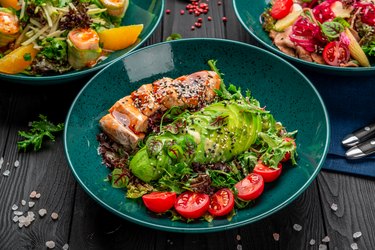
The amount of vegetables needed to maintain a balanced diet for a 15-year-old girl of average weight is 2.5 cups a day and for a boy, 3.5 cups, according to U.S. Department of Agriculture. Teens should consume a variety of vegetables, according to recommendations from the 2010 Dietary Guidelines. U.S. teens consume too many starchy vegetables, according to Christine Williams, MD, MPH, a member of the Energy Balance Subcommittee of the 2010 Dietary Guidelines Advisory Committee. Williams explains that rather than potatoes, teens need more dark green and orange vegetables such as spinach, broccoli, squash and carrots.

Fruits

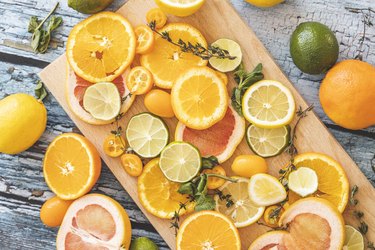
Most teens should consume less fruit juice and more whole fruit, says Williams. The amount of fruit a teenage boy or girl of average weight should consume for a balanced diet is 2 cups. The most popularly eaten fruits among adolescents are apples, pears, and bananas. Teens should include richly colored fruits, such as berries, melons and mangoes, because they are rich in anti-oxidants and phytonutrients. The Recommendations for a Healthy Diet in Childhood and Adolescence says canned, dried, fresh and frozen fruits are acceptable to meet your daily fruit requirements.

Vegetarian

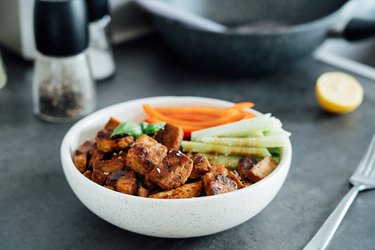
A balanced vegetarian diet includes a variety of fruits, vegetables and protein sources, including soy products and beans. Your vegetarian teen needs to ingest the proper amount of protein, calcium, vitamin D, iron, vitamin, B-12 and zinc to achieve a balanced diet, according to information provided by The University of Maine Cooperative Extension. Find proteins in dairy products, tofu, beans, cereal, soy milk and nuts. Obtain calcium and vitamin D in fortified dairy products like milk. Iron comes from whole grains, raisins, spinach and molasses. Get your daily dose of vitamin B-12 from dairy products, eggs, nutritional yeast and fermented soy. Adequate amounts of zinc come from dairy products, whole wheat bread, seeds, nuts and tofu.

Less Sugar

The dietary intake of added sugars by U.S teens adds up to an average of 260 extra calories a day, according to Williams. To reduce this amount and achieve a balanced diet, teens should cut down on soda, energy drinks and juice with added sugar and replace them with water, decaffeinated teas and diluted juices.

References

Article reviewed by GlennK Last updated on: Aug 4, 2010

Must see: Photo Galleries

Member Comments