


















































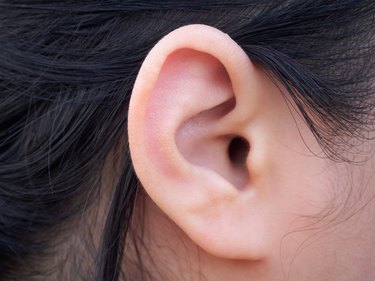









Home Remedy for Ear Wax Buildup
Earwax, also called cerumen, is a normal buildup of soft wax in the ear canal. The body produces ear wax to protect the ear drum, or tympanic membrane, from dirt and debris. The wax also keeps the inner ear waterproof. According to Harvard Medical School, tests have shown ear wax has antibacterial and antifungal benefits. The amount of ear wax present in the ear varies among people. Problems associated with buildup include difficulty hearing, a feeling of fullness in the ear and earaches. Simple methods using common household items can be used to remove excessive wax.
Cotton Ball Soak
Soak a cotton ball in water, saline solution or hydrogen peroxide. Both cleansing agents can be purchased at a drugstore. Place the cotton ball on the ear and tilt the head to the side, allowing the solution to enter the ear by dripping off the cotton ball. The solutions are used at full strength at room temperature. Keep your head tilted for about one minute. Next, tilt your head in the other direction and allow the fluid and any wax to drain out.
Irrigation
Gently flush the ear with water, saline solution or hydrogen peroxide. Using a bulb syringe, gently inject a small amount of fluid into the ear. Do not allow the tip of the bulb syringe to enter the ear more than half an inch. Angle your head so the liquid stays in the ear for approximately 30 seconds, and then gently tilt your head to drain the liquid and excess wax.
Over-the-Counter Treatments
You can buy over-the-counter solutions for ear wax removal. The medications will soften the ear wax and allow it to gently flake off. The medications contain water and wax softeners, which include small amounts of sodium bicarbonate, acetic acid and hydrogen peroxide.
Warnings
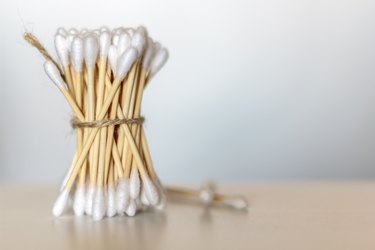
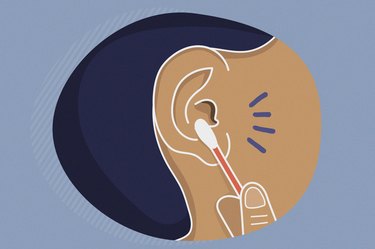
To remove ear wax, do not use a water pick that is used for teeth. Do not use a candle. Do not use a cotton swab. The water pick is too forceful. Cotton swabs can push ear wax farther into the ear and increase the blockage. "Candling" with a lighted candle is dangerous and can cause burns. Seek advice from an ear, nose and throat (ENT) physician if you experience pain, if there is any chance the ear drum is perforated or if you have a history of ear problems.


Member Comments