















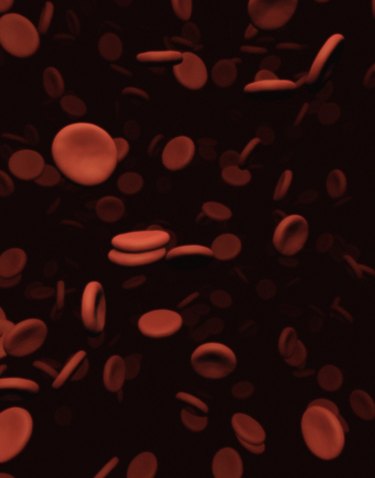
















































Anemia is a condition characterized by insufficient levels of red blood cells within the circulating blood. Red blood cells carry oxygen and remove carbon dioxide from the cells of the body. Anemia can also occur if the red blood cells do not have enough hemoglobin, which is a protein that allows the cell to carry oxygen. Anemia may be categorized using the size of the red blood cells and the amount of hemoglobin the cells contain. Microcytic hypochromic anemia is characterized by red blood cells that are smaller than normal and deficient in hemoglobin. Different diseases can cause this type of anemia.
Iron-Deficiency Anemia
Iron-deficiency anemia is a condition caused by inadequate amounts of iron in the body, reports the National Heart Lung and Blood Institute. Low levels of iron may develop due to blood loss, improper diet or an inability to absorb iron from ingested foods. Iron-deficiency anemia develops over an extended period, because the body typically has stores of iron that are used to keep blood levels high. Iron is used to shape red blood cells and is an important component of hemoglobin. Without iron, men will develop microcytic hypochromic anemia.
Iron-deficiency anemia may cause fatigue, difficulty breathing, chest pain, and heart problems. In some men, iron-deficiency anemia can cause an increased risk of infection. Iron deficiency is common in infants, young children and women. Typically, adult males develop iron-deficiency anemia when they are suffering from chronic internal bleeding.
Lead Poisoning
Lead poisoning can be a cause of microcytic hypochromic anemia in men, according to MedlinePlus, a National Institutes of Health website. Lead is contained in lead-based paint, and may also contaminate air, water, dirt, toys and some forms of cosmetics. A patient may suffer from lead poisoning if he is exposed to lead over a period of months or years, states MayoClinic.com. Even small amounts of lead can cause serious health problems. At 10 micrograms of lead per deciliter, or half-cup, of blood, patients will develop anemia. Lead levels of 25 micrograms per half-cup of blood or higher may cause cataracts, damage to reproductive organs in men, high blood pressure, muscle pain and digestive problems.
Thalassemia
Thalassemia is a condition that occurs when the man's body produces an abnormal type of hemoglobin, according to FamilyDoctor.org. Without normal hemoglobin, the body is unable to transport oxygen efficiently. Red blood cells will be smaller and won't contain enough hemoglobin, and this leads to microcytic hypochromic anemia. In men suffering from this disease, the anemia is usually severe. Symptoms of thalassemia include nausea, vertigo, shortness of breath, fatigue and lack of appetite.


