























































Foods to Avoid With an Anti-Inflammatory Diet

Foods to Avoid With an Anti-Inflammatory Diet
Photo Credit tomato #2 image by Adam Borkowski from Fotolia.com

Inflammation is a necessary bodily response to injury or illness, facilitating the healing process. Poor nutrition, however, can cause inflammation that lasts longer than is necessary to enhance healing. Diets designed to reduce inflammation have value for specific conditions as well as for injured athletes and those seeking better health, says clinical nutritionist Dr. Barry Sears. Certain foods or combinations of foods can elicit an inflammatory reaction in the body that can perpetuate injuries, inflammatory diseases and some cerebrovascular diseases. Dr. Sears suggests that good nutrition, including avoiding pro-inflammatory foods, can help control the body's vital inflammatory response.

Nightshades

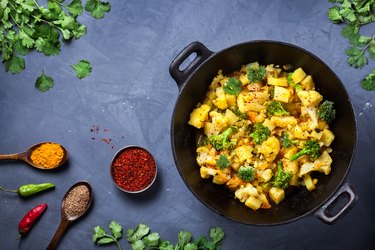
Nightshade plants, such as tomatoes, potatoes, eggplant and peppers, are common in the Western diet, but can lead to inflammation in people who respond poorly to the chemicals, called alkaloids, produced when these foods are digested. These alkaloids can lead to systemic irritation and allergic responses that increase inflammation. In the early stages of an anti-inflammatory diet, naturopathic physician James Wilson advocates total avoidance of nightshades, followed by a gradual reintroduction after eight weeks.

Foods High in Omega-6 Fats

Foods high in omega-6 fatty acids increase inflammation in the body by making more arachidonic acid, a chemical directly related to inflammation, says Dr. Sears. Reducing consumption of processed foods like potato chips and snack cakes as well as replacing peanuts, canola oil, soybean oil and margarine in the diet can help reduce inflammation. Dr. Sears suggests adding anti-inflammatory fats found in fish oil to help mitigate the inflammation caused by excessive consumption of omega-6 fats.

Sugary Foods

Sugary foods play a profound role in inflammation, and particularly the activation of inflammation caused by arachidonic acid, says Dr. Sears. Sugary foods lead to a fast spike in blood sugar that causes the pancreas to increase its production of the hormone insulin, leading to the activation of enzymes that facilitate inflammation. Though all carbohydrate-rich foods lead to a rise in blood sugar, foods like beans, whole grains and fresh fruits result in lower levels of blood sugar, making them better options for an anti-inflammatory diet.

References

  • "Adrenal Fatigue: The 21st Century Stress Syndrome"; James L. Wilson, ND; 2002
  • "The Omega Rx Zone: The Miracle of the New High-Dose Fish Oil"; Barry Sears, Ph.D.; 2002
  • "Journal of Nutrition Reviews"; Fatty acids from fish: the anti-inflammatory potential of long-chain omega-3 fatty acids; Rebecca Wall, PhD; April 28, 2010

Article reviewed by Paula Martinac Last updated on: Aug 7, 2010

Must see: Photo Galleries