















How to Lose Water Retention Weight During Your Period

How to Lose Water Retention Weight During Your Period
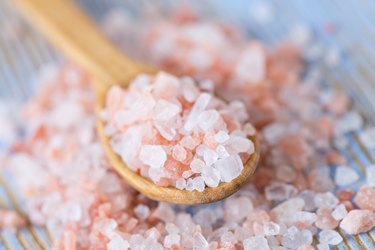
Photo Credit salt image by Andrey Rakhmatullin from Fotolia.com

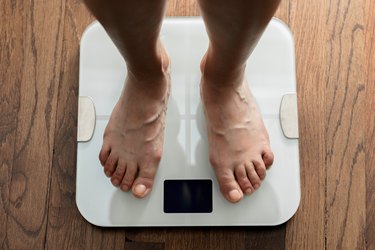
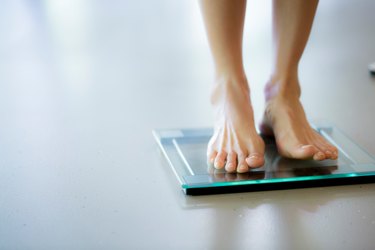
Weight gain due to water retention or edema is a common side effect of PMS or premenstrual syndrome. Although it is a temporary condition, it can be uncomfortable and may even cause back pain and headaches. Once your bleeding begins, the water retention will start to diminish, but if you would like to be a faster process, there are diet changes you can make to help, including reducing your sodium intake and eating more fruits and vegetables, according to the Mayo Clinic. Edemas may be a symptom of other medical conditions and you should always contact your primary doctor before treating yourself.

Step 1

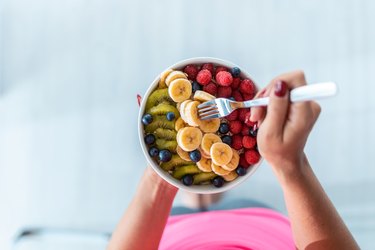
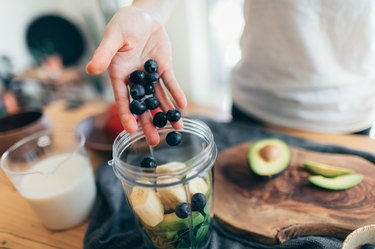
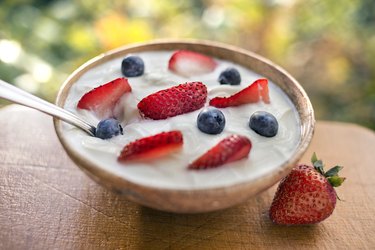
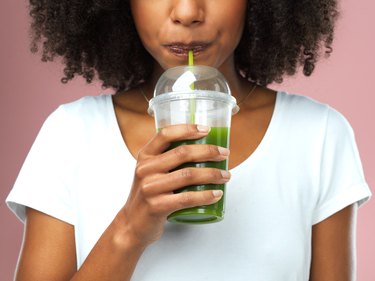
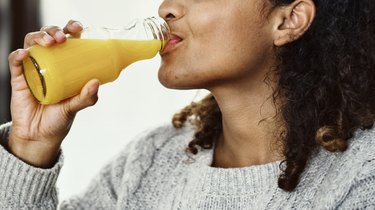
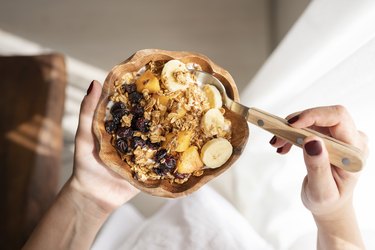
Prepare a fruit smoothie in the morning using fruits such as strawberries, bananas, peaches, blackberries and blueberries. Choose to make it with a fruit juice such as orange or apple juice as opposed to milk to make it easier for you body to digest.

Step 2

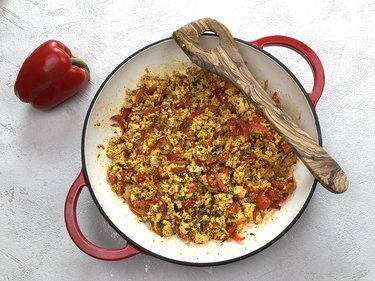
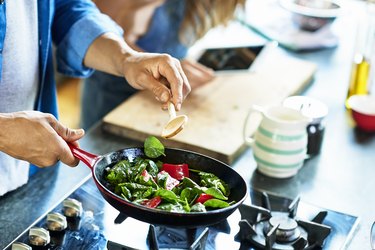
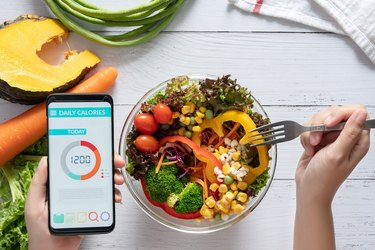
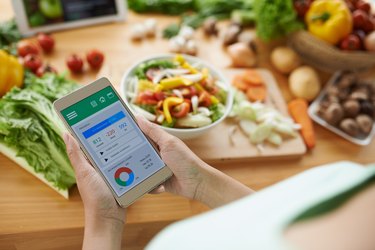
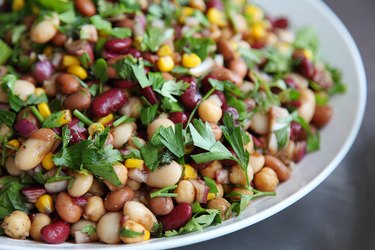
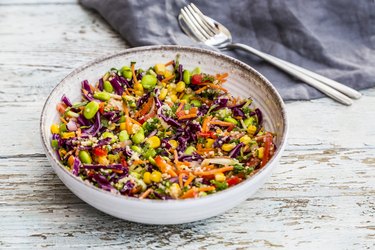
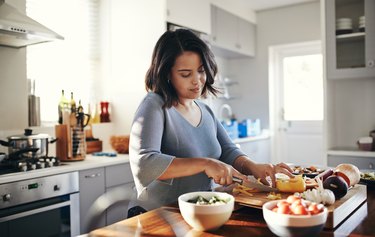
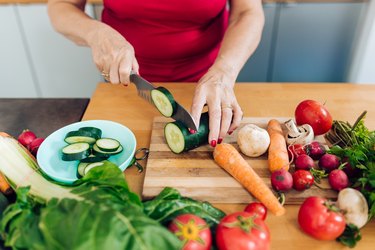
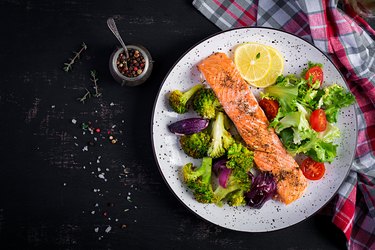
Make a salad for lunch that includes vegetables rich in water, such as onion, cucumber and celery. Mayo Clinic nutritionist Katherine Zeratsky writes that these types of vegetables will prompt you body to urinate more frequently, which will help reduce your water retention. For colder climates, stir fry your veggies to consume a hot meal that will be more comforting and do not salt your food. It may taste bland at first to eat without salt, but reducing your salt intake will contribute greatly to reducing your edema, since salt contains sodium, which according to the National Center for Biotechnology Information, makes your body retain water.

Step 3

Drink up to eight glasses of water throughout the day to make your body urinate and release excess water, making you loose the weight you have gained with your water retention.

Step 4

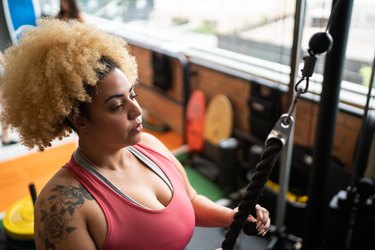
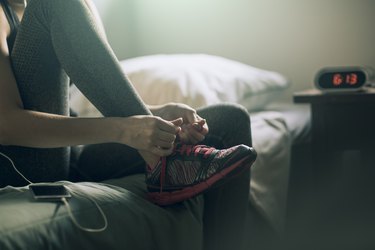
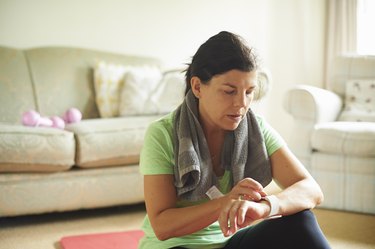
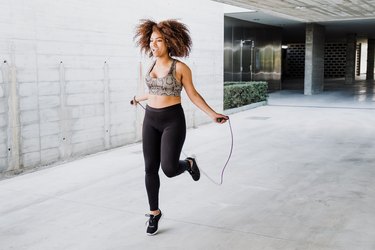
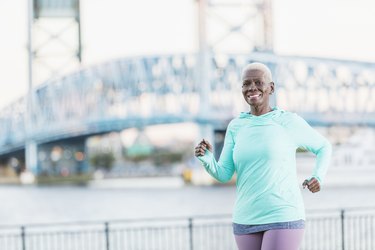
Incorporate at least 15 minutes of aerobic exercise into your daily routine during the days you are experiencing water retention. Exercise will help you reduce stress and will promote blood circulation, which will have a positive effect on your metabolism and will assist your body in regulating itself. Some forms of aerobic exercise you can try are brisk walking or riding your bicycle.

Tips and Warnings

  • Make your meal portions smaller than normal so you can feel less bloated as your digestive system has a chance to assimilate the nourishment you are providing through your diet.
  • Try to avoid diuretic herbs that may cause you to loose excessive fluids, prompting your body to retain even more water and may interact with any medication your may be taking for your condition.

Things You'll Need

  • Fruits
  • Vegetables
  • Water
  • Bicycle (optional)

References

Article reviewed by Lynda Moultry Belcher Last updated on: Aug 8, 2010

Must see: Photo Galleries

Member Comments