

















































Dental Tips for Kids

Dental Tips for Kids
Photo Credit A child brushing its teeth before going to bed image by Mykola Velychko from Fotolia.com

Tooth decay and many other forms of oral disease that affect children are preventable, according to the Centers for Disease Control and Prevention. Yet tooth decay, also known as dental caries, is still the most common chronic infectious disease in children in the United States. Good oral hygiene habits and preventative care may help your child avoid the pain caused by cavities and dental infections.

Limit Sweetened Drinks

Frequent consumption of beverages that contain sugar causes tooth decay. Soft drinks and other flavored drinks are common culprits, but milk and juice are also guilty. Constant beverage consumption, such as bringing a sippy-cup to bed or taking occasional sips of a drink throughout the day, results in the teeth being coated with sugar for long periods. This increases the bacteria growth and acid production that produce tooth decay. Your child can have these beverages at meals or snack time, but substitute water for the periods in between.

Ensure Proper Tooth Brushing Early

Begin tooth-brushing as soon as your child has teeth, and make it a habit to brush your teeth together. During the infant and toddler years, teeth can be cleansed by wiping them down with a washcloth that has a tiny amount of non-fluoridated toothpaste on it. As your child grows, choose a toothbrush that matches his stage of development. For younger kids, soft bristles protect the gums; large handles improve grip. Healthychildren.org notes that although there are many opinions about the best brushing motion--up and down versus circles--it really doesn't matter. What matters is that each tooth is cleaned from top to bottom on both the inner and outer surfaces.

Make Sure There's Supervision

Younger children often lack the attention span to focus on brushing their teeth thoroughly. Older children may rush through brushing in order to move on to another activity. Resist the temptation to hand your child his toothbrush and leave him to finish the job on his own. You may not see the consequences of poor brushing immediately, but neglected areas can turn up as cavities at his next dental check-up.

Inspect Regularly

Problems can be detected early if you examine your child's teeth routinely. Check baby teeth as they erupt. Watch for tartar and plaque buildup, indicating that a particular area is being routinely missed while brushing. Keep an eye out for inflamed gums, poor alignment and brown or white spots that may indicate a cavity. Report your concerns to your child's dental care provider.

Get Regular Dental Check-ups

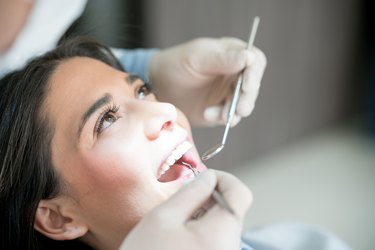
The American Academy of Pediatrics recommends that all children see a pediatric dentist by age 1. Having your child seen by a consistent dental care provider--known as a "dental home"--helps ensure that preventative measures are started early and that any potential problems are promptly identified.

References

Article reviewed by Anton Alden Last updated on: Aug 15, 2010

Must see: Photo Galleries

Member Comments