
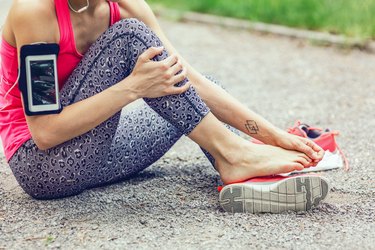





























Blisters are a unifying factor; every runner has felt the pain and frustration that comes with having a blister. While blisters may be a minor problem, they can become a serious issue if they aren't treated properly. Blisters can become infected or alter a runner's gait and cause a more severe injury. With the proper treatment, though, blisters can be nothing more than a bump in the road for a runner.
Prevention
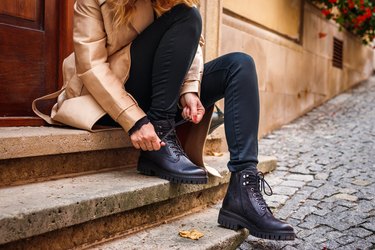
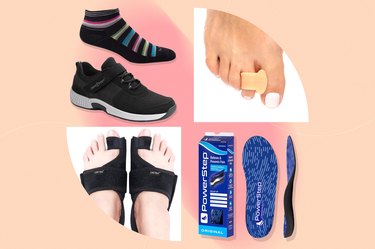
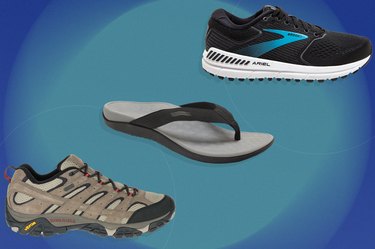
The best way to deal with blisters is to stop them before they start. Since blisters mostly result from friction, which often comes from excess moisture, one of the keys to stopping blisters is keeping feet cool and dry on a run. Wearing sweat-wicking socks and shoes that breathe well will keep feet dry and blister-free. Additionally, placing athletic tape or lubricant on blister-prone areas of the feet, such as the ball of the foot or underneath the big toe, will help prevent blisters. Toe socks, which encapsulate each toe in an individual sleeve, are also effective at preventing blisters in another common area: between the toes.
Padding
Smaller blisters, ones in which the fluid inside isn't visible, should generally be left alone. Since the skin over the blister acts as a protective shield, lancing it may only invite an infection or cause bleeding. While they don't need to be popped, small blisters may cause enough pain to alter a runner's stride, which may lead to injury. Applying the proper amount of padding can keep discomfort to a minimum during a run. Cut a hole the size of the blister in a piece of moleskin and tape it over the blister to keep pressure off of it.
Lancing
Large blisters, ones in which the fluid is visible, are likely to pop on their own and should be lanced. Sterilize the area and a needle with rubbing alcohol and puncture the blister at both ends. Push the fluid out, then sterilize the area with an antibacterial ointment and bandage it. Don't remove the blister's skin, as it covers the new skin and helps ward off infection. Keep an eye on the blister in the days after popping. If it swells, turns red or starts discharging yellow or green fluid, see a doctor, because it may be infected.


