
































Diets and Running

Diets and Running
Photo Credit Bunch of Runners on Pavement image by pamtriv from Fotolia.com

A runner has to eat smart to perform best. Running in the heat, cold and rain takes a toll on energy and endurance. The harder the body is pushed, the more it depends on stored carbohydrates, fats, proteins, vitamins and minerals, and that need increases as you become more fit. The right food and plenty of hydration will improve a runner's performance.

How Often to Eat

Runners can plan their food intake to correspond to their next workout. Light carbohydrate snacks before a run provides quick energy, and protein after a run provides muscles with healing power.
Small meals or snacks spread throughout the day are preferable to three large meals spaced morning, noon and evening. Blood sugar levels stay steady and less time is required to digest the food.

Before a Run

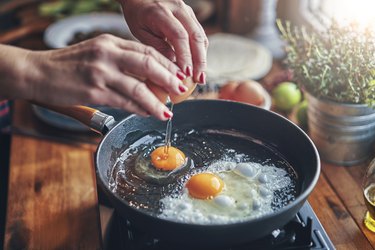
Set the alarm at least an hour before your early-morning run if you intend to eat fruit, toasts or an energy drink first. Make that at least two hours if you plan to eat eggs, cereal or a bagel with cream cheese.
A handful of seedless grapes or a half piece of dry toast also provide a quick snack before shorter runs.

During a Run

Eating food during a run or a race is only necessary if the event will last longer than an hour and a half. Your body draws on its stored energy up to that point.
After 90 minutes of exertion, the runner's body may feel fatigued and in need of a boost of energy. Energy gels are easy to carry, easy to eat on the run and easy for the body to digest. Energy drinks are options as well.

After a Run

Runners should eat a snack within 15 minutes to one hour after completing a run. Your body will crave to replenish needed nutrients during this window of time.
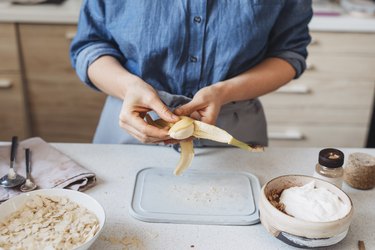
A banana replenishes potassium; a protein drink helps with muscle repair; a fruit smoothie quickly restores energy; and water or sport drinks rehydrate your body. Avoid heavy fibrous foods for another hour or more to reduce feeling bloated.

Pre-Race Meal

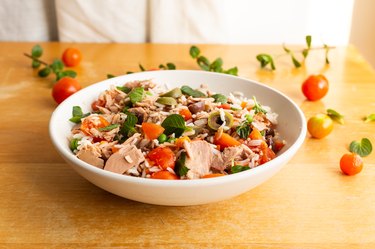
Concentrate on foods that are light on the stomach, easily digestible and pack energy. Safe foods eaten in small quantities include dry toast or with honey, oatmeal without too much dairy, fruit without high fiber or a light pasta salad. Race day foods to avoid completely include dairy products, high fiber of any kind and firm fruit.

References

Article reviewed by JR Roberts Last updated on: Aug 24, 2010

Must see: Photo Galleries

Member Comments