

































































Grieving Time After The Death of A Spouse

Grieving Time After The Death of A Spouse
Photo Credit dead flower,old flower,flower,dead,spring,nature,f image by Pali A from Fotolia.com

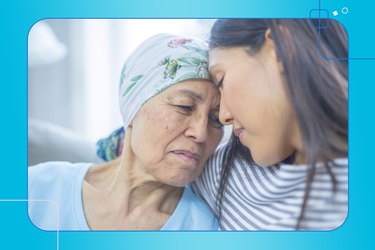
The death of a spouse is the most stressful experience that can occur in an adult's life, according to the National Institute on Aging. The loss of a spouse can result in shock, grief, guilt and even anger. Experts at Mental Health America note that grieving varies among individuals and does not follow any specific time line.

Significance

According to the National Institute on Aging, the death of a spouse creates a significant time of transition and grief for the surviving partner. The surviving partner will experience shock and sadness, combined with a loss of security that the married partnership provided. Grieving spouses have the difficult task of processing an enormous loss, while also adjusting to life without a partner.

Features

Grieving can be marked by a variety of drastic emotional changes, according to Mental Health America. Some individuals experience shock and numbness, while others feel despair and a loss of control. The stages of grief include shock, denial, bargaining, anger and acceptance, but they don't always occur in that order, and individuals can go through periods where they vacillate between two different emotions.

Considerations

Experts at Helpguide.org note that the first year after the loss of a spouse will often bring many difficult grieving experiences. Birthdays, anniversaries and holidays can feel overwhelming during the first year with a partner because these events will conjure memories and emotions related to the loss.

Support for Grief

The National Institute on Aging notes that many grieving spouses can experience signs and symptoms of depression in the months after a loss. Major changes in sleep habits, appetite and energy levels should be monitored. If the individual's daily functioning is notably disrupted, medical consultation or grief counseling should be considered.

Expert Insights

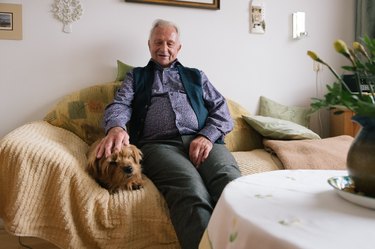
Experts at the National Institute on Aging note that the adjustment to living alone, without a partner, is a significant part of the grieving process. By maintaining a structured schedule, individuals can gradually develop a new identity without their partner as they move through the grieving process. Taking part in community services projects, political or sports groups, or enrolling in a continuing education class can provide new experiences and social contacts that will help ease an individual through the loss.

References

Article reviewed by Kirk Ericson Last updated on: Sep 2, 2010

Must see: Photo Galleries