


























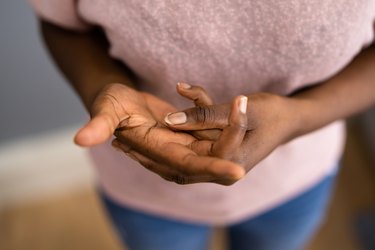




























Human Touch Therapy

Human Touch Therapy
Photo Credit affection image by Lars Christensen from Fotolia.com

Human beings need to be touched; the reasons are many. Human nature almost demands us to rub what hurts, to get a hug when feeling stressed or to put a hand on the shoulder of someone in need of comfort. Human touch can facilitate communication, demonstrate love and heal. The benefits of touching someone for the purpose of helping can be uplifting, healing and, at times, life changing, both for the giver and receiver.

Types

Human-touch therapy includes modern, traditional and alternative methods known by a variety of names. The University of Maryland Medical Center states there are more than 100 different human-touch therapies. Physical therapy and chiropractic are examples of modern methods. Massage and acupuncture are traditional methods that have existed for centuries. Alternative methods, such as Rolfing and Touch for Health, combine modern and traditional therapies. These categories are flexible as evidenced by insurance companies using different labels for the same method. No matter the category or name, human-touch therapy can help with a variety of health and well being issues.

Stress

Touch therapy can help reduce negative influences of stress--physical and emotional. Pain, lowered mood and anxiety are all symptoms of stress. The University of Maryland Medical Center found that human touch therapies reduce certain stress-inducing hormones, such as cortisol, and release natural substances called endorphins in the body to reduce pain and elevate mood. Further, the touch therapies of spinal manipulation, acupuncture, and massage can and do ease pain and reduce depression--sometimes alone, sometimes in conjunction with other therapies.

Recovery

Touch therapy is effectively used to help surgical patients recover and to help cancer patients deal with the trauma of chemotherapy and the ravages of that disease. Athletes use various touch therapies for pre-workout preparation and post-workout recovery, as well as treatment for certain injuries specific to their sport. Physical therapy, probably the most common touch therapy utilized in modern medicine today, is used by many doctors, hospitals and sports teams to promote recovery from numerous physical problems and to prevent many potential problems.

Maternity

Expectant mothers can benefit from human-touch therapies, especially in the form of prenatal massage. Tiffany Field, Ph.D., director of the Touch Research Institute at the University of Miami, has published research confirming that massage can help prevent premature delivery and low birth weight, as well as reduce the incidence of postpartum depression. Further research by the Touch Research Institute reveals that massaging premature infants increases their immune system and increases weight gain. Infant massage increases the parent-infant bond, and helps a baby sleep better.

Cautions

Conditions such as heart, kidney, diabetic, circulatory and skin problems may preclude the use of certain human touch therapies. In such cases, check with a doctor before starting human-touch therapy. Don't worry though, according to Dr. Marja Verhoef, professor and Canada Research Chair in Complementary Medicine, a majority of physicians will recommend massage or some other form of touch therapy, such as physical therapy, because of the success of human touch therapy in prevention and recovery.

References

Article reviewed by Leon Teeboom Last updated on: Aug 20, 2010

Must see: Photo Galleries

Member Comments