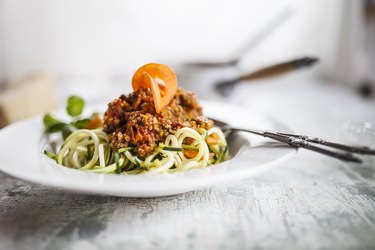
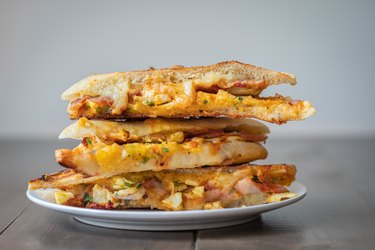
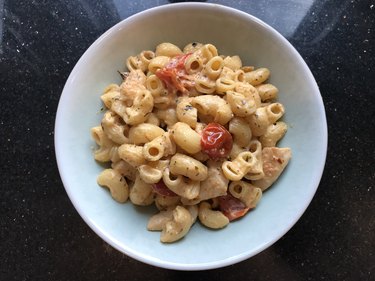
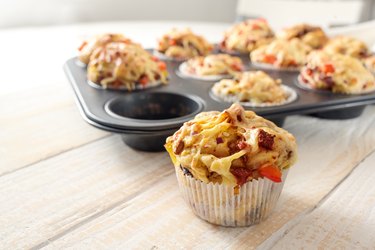



The gluten-free diet may seem complicated at first glance because it is a restrictive diet for individuals with food allergies. Parents know it's sometimes challenging to get kids to eat, and when they have to avoid certain foods, it's even more difficult. You can get your children to follow a gluten-free diet by involving them in the selection and preparation of food that is safe for them.
Gluten Allergy
The Mayo Clinic staff writes that gluten allergy is an allergic sensitivity to a protein that naturally occurs in wheat, barley and rye products. The body's immune system reacts to the presence of gluten and attacks healthy tissue in the process. According to the Gluten Intolerance Group of North America, a person with celiac disease suffers damage to his small intestines when he consumes gluten. When an individual reacts to gluten but does not experience damage to the small intestines, the individual is considered non-celiac but gluten-intolerant. In both cases, reactions to gluten can include mood disruption, skin breakouts, upset stomach, lethargy, muscle and joint pain, and gastro-intestinal discomfort. Children, in particular, may also display concentration or behavioral problems, growth failure, or defective tooth enamel, the Gluten Intolerance Group of North America website advises.
Gluten-Free Diet for Kids
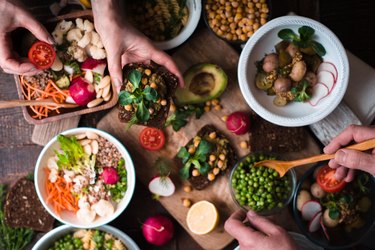
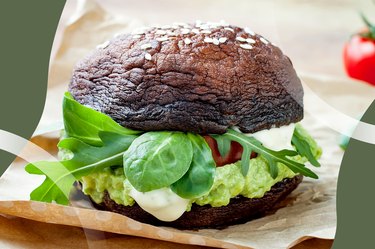
Children's nutritional needs are unchanged by the need to avoid gluten, and they still need meat, dairy, fruits, vegetables and grains in their diet. When planning a diet for children, remember to provide foods that they will enjoy. Since the Mayo Clinic shows that unprocessed fruit, vegetables, meats, dairy, nuts and legumes are all naturally gluten-free, you can prepare these items from scratch safely. You can also use gluten-free pasta, pizza crust and hamburger buns to create gluten-free versions of kids' favorites. If you purchase processed foods, be sure to check the ingredients first and select specifically-labeled gluten-free products to be safe. Some processed foods may contain food starches and thickeners derived from wheat or barley, and they could contain gluten.
Gluten Free Cooking for Kids
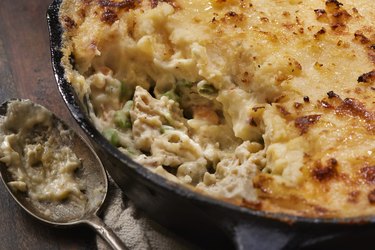
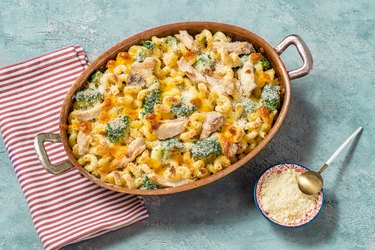
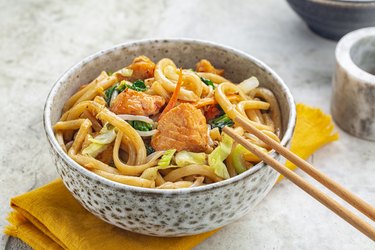
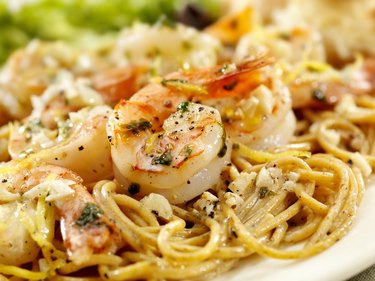
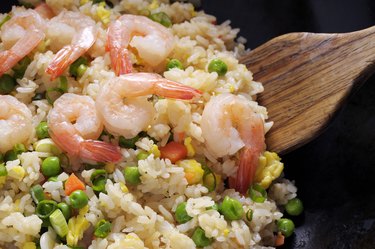
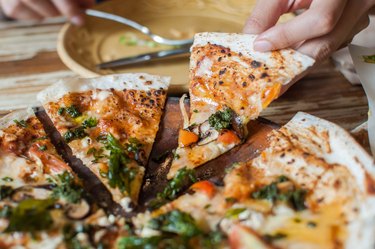
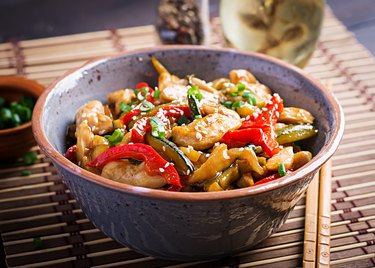
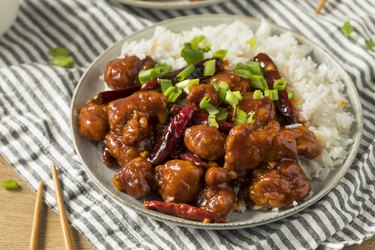
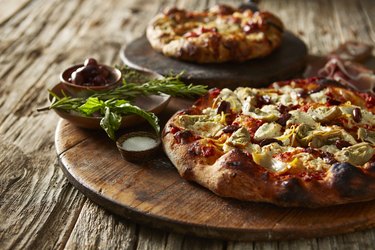
When cooking gluten-free, the most dangerous element is cross contamination. Cross contamination can occur when gluten-containing foods are prepared in the same kitchen, using the same equipment as gluten-free foods. Even the minutest contamination with gluten can cause great discomfort to gluten-allergic individuals. When preparing gluten-free meals for kids, it is important to prevent accidental cross contamination of foods that were previously safe to eat. If possible, prepare only one meal that is safe for the whole family rather than making adjustments for gluten-free food. This way, you avoid the risk of cross contamination. The whole family can enjoy noodle dishes, fried rice made with wheat-free soy sauce, and pizza baked on gluten-free crust.
Including Kids in Gluten-Free Cooking
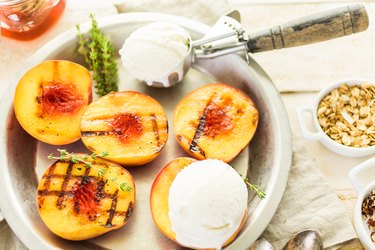
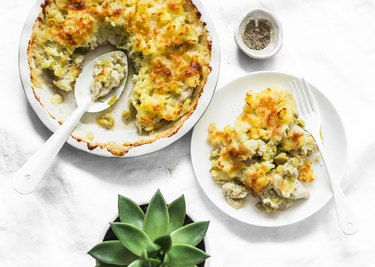
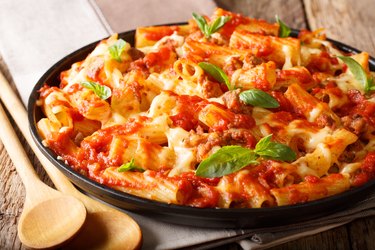
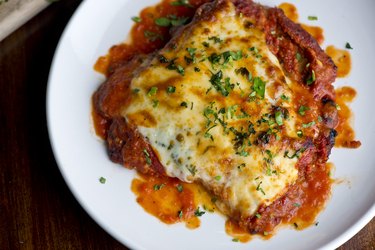
Many kids love being included in the kitchen, and giving them some ability to select their own food can help them become responsible for their diets, the KidCeliac website shows. When cooking, choose food options that are within the skills of your young chefs. Teach them how to assemble a fruit parfait layered with gluten-free yogurt, fruit, and gluten-free cookie crumbs. Layer gluten-free lasagne noodles, tomato sauce, and vegetables or ground beef together to show them how to make a fun, gluten-free dinner that kids will enjoy.
Gluten-Free Kids Menu
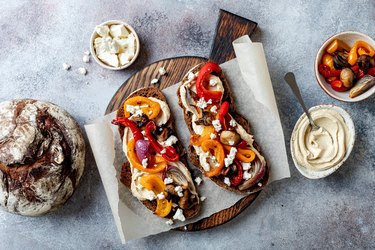
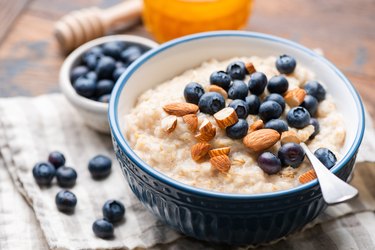
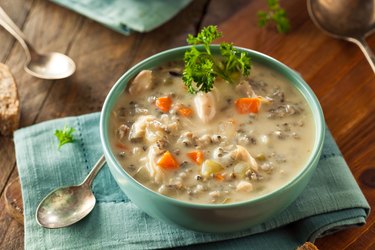
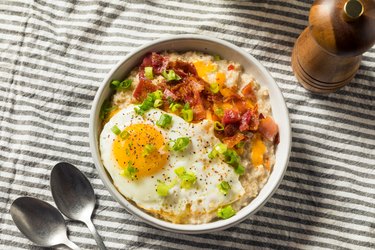
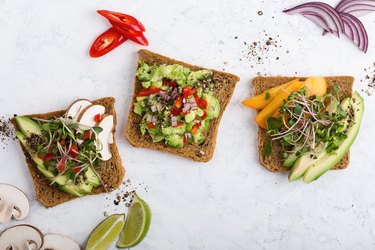
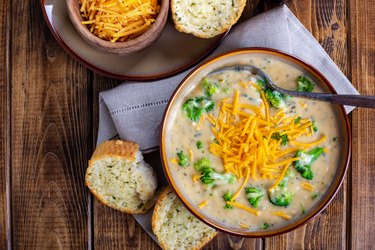
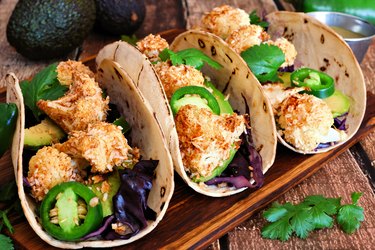
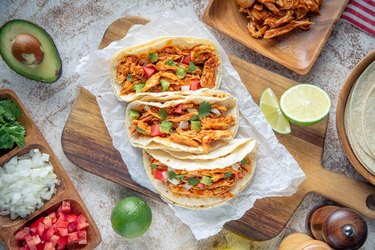
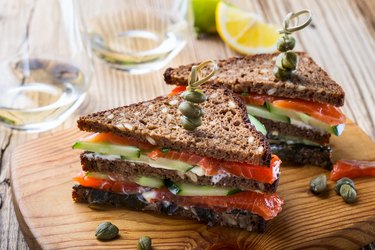
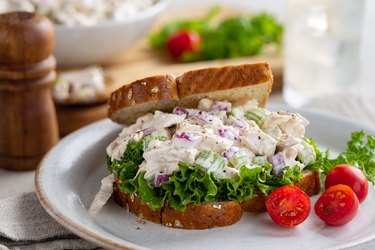
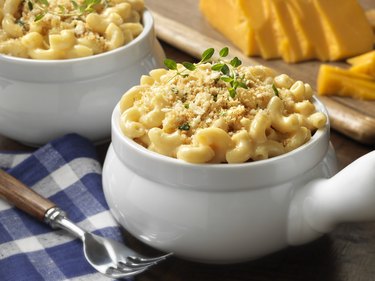
Children can enjoy eggs, bacon, gluten-free cereal, gluten-free waffles and pancakes, fruit and fruit juices for breakfast. For lunch, kids could eat corn tortilla burritos with refried beans, vegetable and chicken soup with gluten-free noodles, or sandwiches made with gluten-free bread. Specific gluten-free packaged foods that kids enjoy include macaroni and cheese, canned soups, and crackers to serve with cheese or peanut butter.
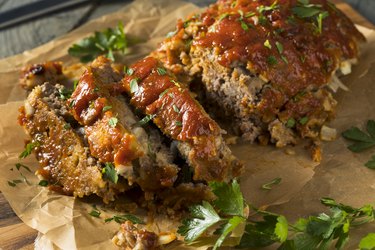
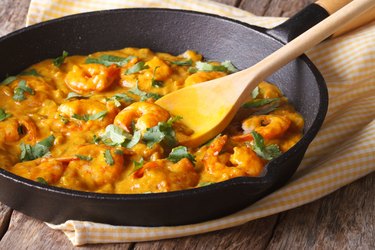
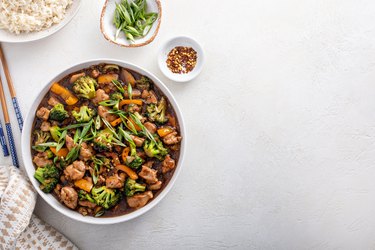
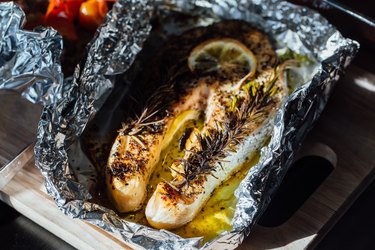
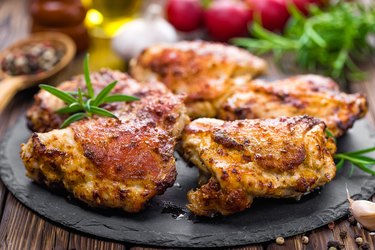
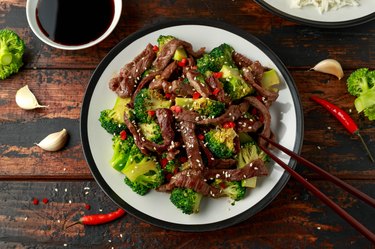
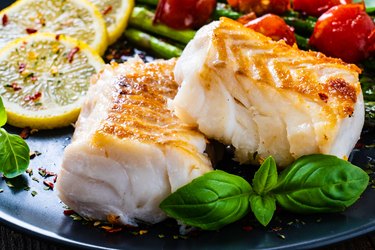
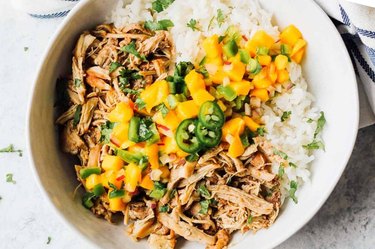
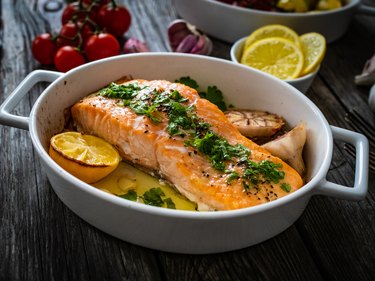
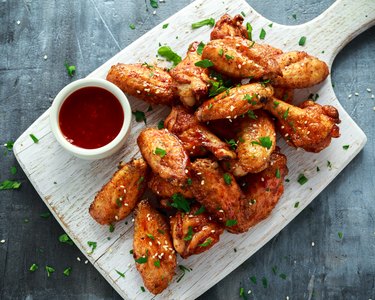
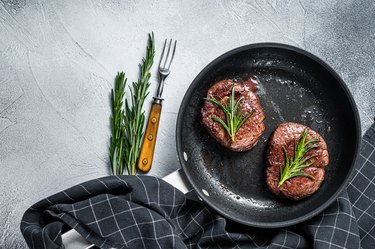
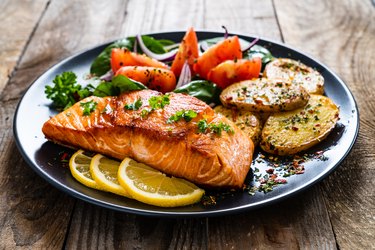
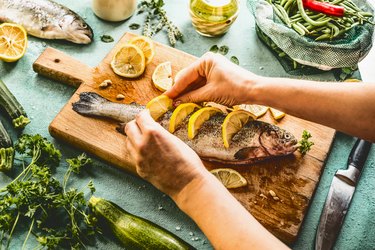
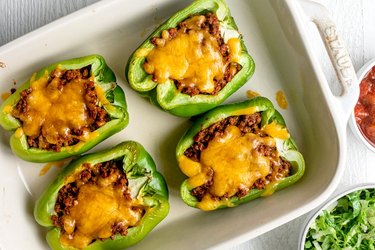
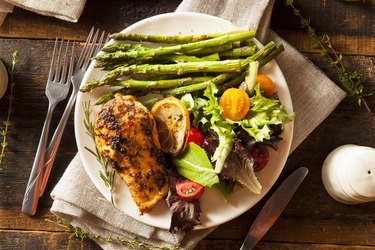
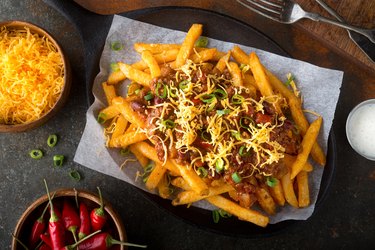
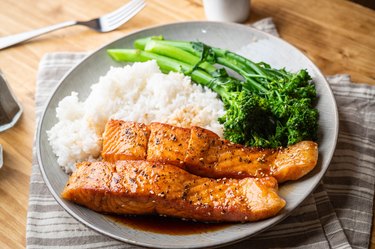
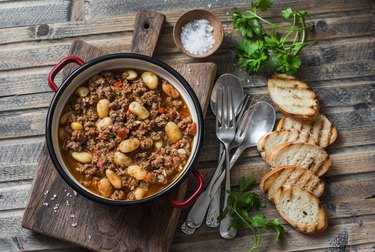
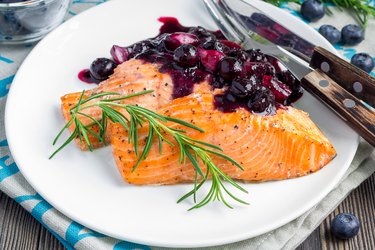
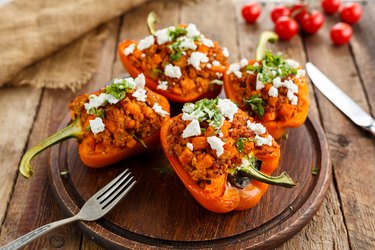
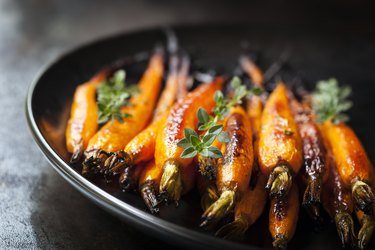
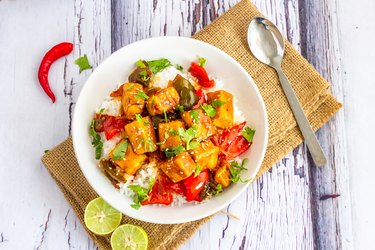
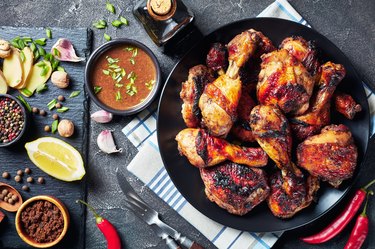
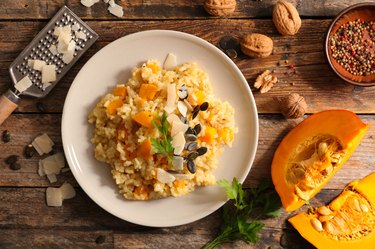
For dinner, children may like the same meals that adults eat. Build the menu around fresh or frozen, unseasoned vegetables, and starches like corn, quinoa, potatoes, sweet potatoes, squash, corn tortillas, and rice or brown rice. Fish, beef, pork, poultry, certain soy products, and legumes are gluten-free and can provide the protein kids need. Season the food with herbs or spices to prevent accidental gluten contamination from bottled marinades and sauces.


Member Comments