
















































Specific Diet Guidelines for a Fatty Liver

Specific Diet Guidelines for a Fatty Liver
Photo Credit fat measure image by Kimberly Reinick from Fotolia.com

Nonalcoholic fatty liver disease is a serious version of chronic liver disease that is common in the United States. In fact, some 70 million U.S. adults, or 30 percent of U.S. adults, are affected by this disease, according to a study reported in a 2007 edition of the "American Journal of Clinical Nutrition." The disease is characterized by lipid, or fat, accumulation in your liver. It is associated with all aspects of metabolic syndrome, and may even be the trigger for this syndrome, says R.P. Mensink, lead author for a study reported in 2008 in the journal "Current Opinion in Lipidology." Following diet guidelines that support weight loss can help your condition, according to the MayoClinic.com. Dietery changes should be part of an overall treatment plan that you develop with your doctor.

Healthy Fats and Fish Oil

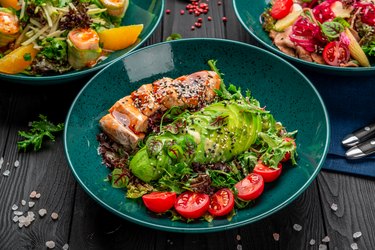
Decreasing your total fat intake while increasing your consumption of fish oil might help treat nonalcoholic fatty liver disease, according to Mensink. Especially be sure to avoid saturated fatty acids because when these accumulate in your liver they are associated with liver dysfunction and stress on your liver, according to University of California Davis researchers and authors of the "American Journal of Clinical Nutrition" report. Diets high in saturated fats lead to such an accumulation. The MayoClinic.com recommends consuming unsaturated fats including those found in nuts, fish and olive oil in lieu of saturated and trans fats. Fish oil is especially good because it reduces inflammation, notes Victor R. Preedy, lead author for "Nutrition, Diet Therapy and the Liver." However, fish oil may not work in all cases, according to T. Yamazaki, lead author for a study reported in 2007 in the journal "Hepatology," who analyzed fish oil's effects on fatty livers in mice. Dietary fish oil prevents fatty liver induced by sucrose, but it worsens fatty liver caused by large amounts of safflower oil, Yamazaki says. Overall, your fat intake should make up less than 25 to 35 percent of your overall calorie intake, with saturated fat making up no more than 7 percent of calories and trans fat accounting for no more than 1 percent, advise the experts at the American Heart Association.

Eat More Produce

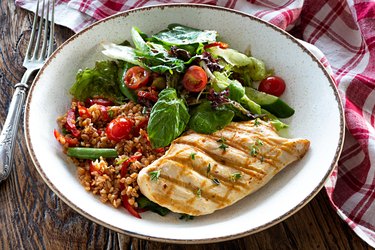
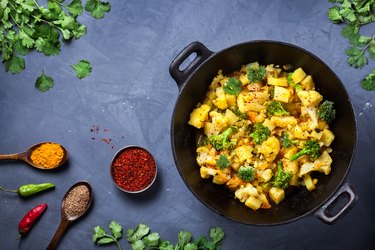
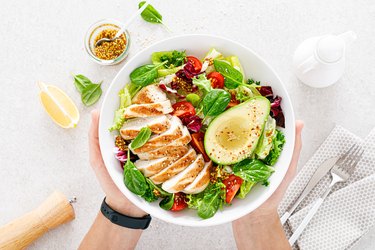
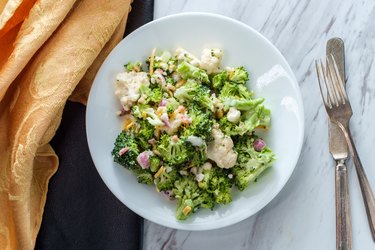
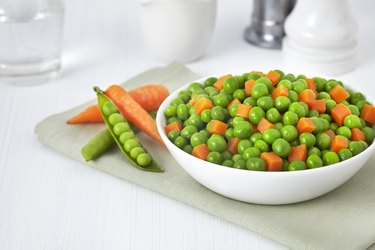
Increase your intake of fruits and vegetables, recommends the MayoClinic.com. Fruits and veggies allow you to eat more but take in fewer calories, which can help you lose weight, reports the Centers for Disease Control and Prevention. Fruits and vegetables contribute to your feeling of fullness, or satiety, and also provide dietary fiber, which also helps regulate your weight, according to the CDC. They also contain water, which gives you volume but not calories, according to the MayoClinic.com. Gradual weight loss coupled with exercise is the gold standard for treating all forms of nonalcoholic fatty liver disease, say the UC Davis researchers. In most people who have nonalcoholic fatty liver disease; consuming too many calories or an inappropriate diet are believed to lead to chronically elevated insulin, glucose and free fatty acid concentrations in the blood, say the UC Davis researchers. As with excessive fat intake, too many carbohydrates can play a role in increasing these blood concentrations, which can lead to nonalcoholic fatty liver disease.

Whole Grains

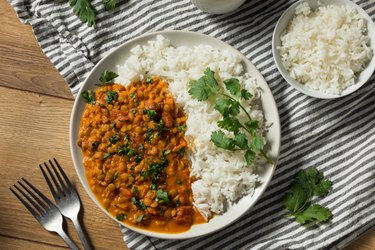
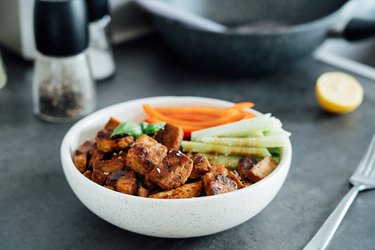
Consume whole grains instead of refined ones. For example, choose brown rice and whole wheat breads, advise the experts at the MayoClinic.com. As with fruits, whole grains provide fiber. High fiber foods help you feel full for longer periods of time because they takes longer to digest than low-fiber foods. Eating whole grains can help you lower your calorie intake, according to the CDC, especially if you swap them for high calorie refined carbohydrates. Promoting weight loss by swapping high calorie carbs, such as foods high in high fructose corn syrup, for healthier foods like whole grains is better than crash dieting, note the UC Davis researchers, because for unknown reasons, quick weight loss increases the chance of liver failure in some people.

References

Article reviewed by David Fisher Last updated on: Sep 2, 2010

Must see: Photo Galleries

Member Comments