
















HGH Risks in Children

HGH Risks in Children
Photo Credit farmaco image by Cristiano Pugno from Fotolia.com

Human growth hormone (HGH) is made in the pituitary gland. The pituitary gland is part of the endocrine system. It is about the size of a pea and is located at the base of the brain. The hormone is converted in the liver into insulin like growth factor type 1(IGF-1), which then enhances the production of cartilage cells, resulting in bone as well as muscle growth. Some children do not produce normal amounts of human growth hormone and often suffer health issues, most notably a reduction in stature. These children can be treated with human growth hormone treatment. This treatment may improve growth in these children, but it also comes with many risks. Children of normal health that use HGH in an attempt to improve athletic abilities may experience additional health risks.

Cancer

Increased risk for cancers such as prostate and breast cancer are a serious concern for those considering HGH use. In addition it has been shown children who have used HGH may have an increased risk of developing colorectal cancer later in life.

Cardiovascular Risks

Enlargement of the heart, hardening of arteries and high blood pressure can be the result of HGH use in children. Blood disorders like diabetes have also been linked to human growth hormone supplementation.

Metabolic Risks

Metabolic changes occur in children taking HGH. They devour nutrients and fuel at a high rate. This very high metabolism has resulted in excessive musculature and substantial decreases in body fat, which result in an inappropriately lean child. This leanness can make the child susceptible to other injuries and illnesses.

Renal Risks

Renal complications may also occur as the result of HGH use. The kidneys may experience and increase in blood flow and force the kidneys to filter the blood at high rates, which can put unneeded stress on the kidneys. In cases where a child's kidneys are already compromised, end-stage kidney failure may occur as a result of the additional demand on the kidneys.

Musculoskeletal Risks

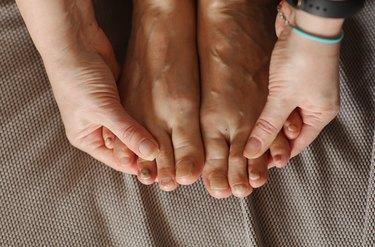
Many musculoskeletal side effects are experienced by children using HGH. These side effects include joint pain, muscle pain, swelling of the hands, feet and lower legs, muscle fatigue, carpal tunnel disorder and acromegaly, or excessive bone growth.

References

Article reviewed by Brad Walters Last updated on: Jun 15, 2011

Must see: Photo Galleries