

























































Signs of Anemia in Kids

Signs of Anemia in Kids
Photo Credit Hemera Technologies/AbleStock.com/Getty Images

There are many reasons why your child may be anemic, and sometimes it's hard to see the signs. However, there are some specific symptoms you can keep an eye out for, and further tests that can be used to properly diagnose anemia. Often the solution can be as simple as a change in diet, or some nutritional supplements.

Definition

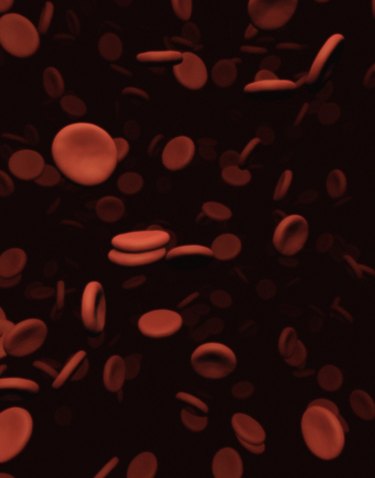
Anemia occurs when the number of red blood cells, or RBCs, in the body becomes too low. It's one of the most common blood disorders and can lead to other health problems. RBCs contain hemoglobin, which carry oxygen to the body's tissues and organs, including the brain.

Red blood cells aren't permanent. New blood cells are made inside our bone marrow and then travel to the bloodstream, where in a healthy body, they only last for about 120 days.

Signs

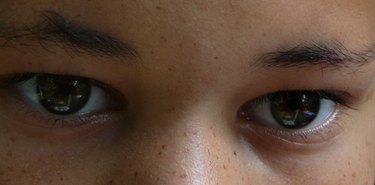
The first symptom of anemia in your child is usually pale skin. You might also notice that his lips, nail beds and eyelid linings are less pink than before. However, since these changes happen over time, you might not easily notice them. Other signs of anemia include fatigue, irritability, dizziness, lightheadedness and a faster heartbeat.

In some more severe cases, where destruction of RBCs is the cause, you might also notice a yellow tinge to his skin and the whites of his eyes, indicating jaundice. This might be accompanied by dark tea-colored urine and easy bleeding or bruising. A doctor will be able to diagnose further complications, such as an enlarged spleen or liver.

Causes

The three most common things that cause anemia are excessive blood loss, the increased destruction of RBCs, and inadequate production of RBCs by the bone marrow. It can also result from nutritional issues, like iron or vitamin deficiency, infections, some cancers, inherited disorders, or exposure to a certain toxin or drug.

Anemia caused by blood loss can happen because of surgery, injury, intestinal bleeding from an inflammatory bowel disease, or a problem with the blood's ability to clot properly.

Anemia caused by the destruction of red blood cells is called hemolytic anemia, where the life span of an RBC is much shorter than 120 days. This often happens spontaneously, or because of a sudden stressor like an infection, snake or spider bite, advanced liver or kidney diseases, severe burn, chemical exposure, or medicines like antibiotics or anti-seizure medications.

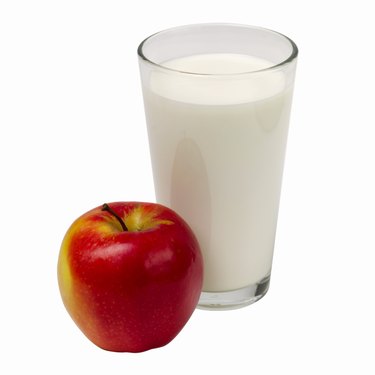
Anemia caused by inadequate RBC production can happen because of inherited defects, or an iron deficiency, sometimes due to a child drinking too much milk. Iron-deficiency anemia is most often seen in children under 2 years old, and in teen girls who have started menstruating. Deficiency in folic acid and vitamin B12 can also cause anemia, which is most often found in people who eat little or no meat or folic-rich vegetables, or infants who drink only goat's milk.

Infants are born with high levels of hemoglobin and RBCs, which help carry oxygen to them while in the womb. At 2 months old this level usually drops, which causes physiologic anemia of infancy--a very normal condition. Once this happens, the baby's body starts producing more RBCs, so no treatment is needed.

Diagnosis

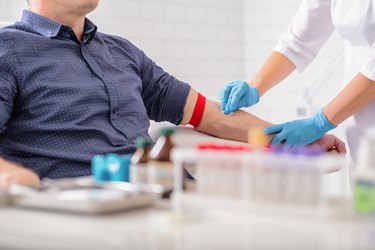
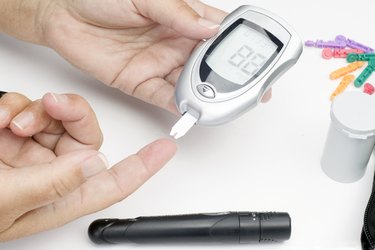
To diagnose anemia, a complete blood count, or CBC, usually needs to be done. This test will indicate the level of RBCs in the blood. Other tests include examining the blood smear, testing for the blood iron level, and bone marrow aspiration to check cell production.

Results

Anemia can lead to numerous complications, such as stress on the body's organs and fatigue. If your child is an infant or preschooler, iron-deficiency anemia can cause delays in development and behavioral problems, such as difficulty with interacting socially or paying attention to tasks. If the iron deficiency is not properly treated, these issues can last through the school years and beyond.

Treatment

Different types of anemia call for different treatments. If your child has anemia due to iron deficiency, he may be prescribed an iron supplement, or you might be able to just add iron-rich foods to his diet and cut back on milk. If it's due to a deficiency in folic acid or vitamin B12, supplements for those nutrients may be recommended.

If the anemia is chronic or more severe, medication, a blood transfusion, or even surgery might be required.

Prevention/Solution

You can't prevent anemia that's caused by genetic defects, but you can prevent iron deficiency before it starts. Before your baby's 6 months old, he probably won't get iron deficiency because he's protected by stores of iron that are built up before birth. After that, breast milk alone doesn't provide enough iron, and cow's milk can cause infants to lose iron through their intestines. Children shouldn't drink cow's milk until they're a year old and are eating iron-rich foods, and even then should be limited to 24 to 32 oz. of milk each day.

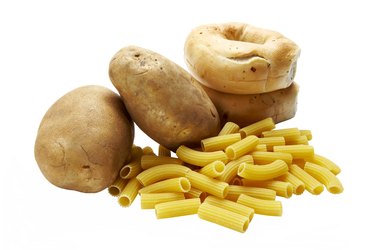
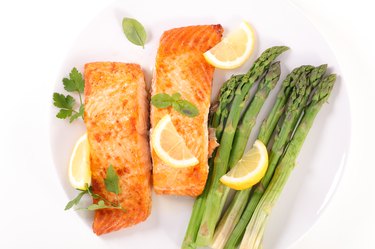
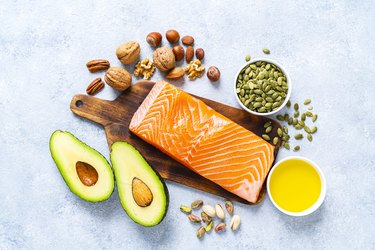
Iron-fortified formula and cereal help infants. Older kids can also eat red meat, egg yolks, yellow and leafy green vegetables, tomatoes and potato skins.

References

Article reviewed by Renee Peterson Last updated on: May 13, 2011

Must see: Photo Galleries