




































































The Effects of a Lack of Insulin for Diabetics

The Effects of a Lack of Insulin for Diabetics
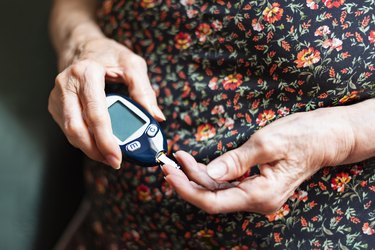
Photo Credit Diabetic Tools image by painless from Fotolia.com

The Mayo Clinic stresses the need for the effective day-to-day control of diabetes. Well-balanced meals, monitoring blood sugar levels and the proper dispensing of medication is vital to well-being. In diabetes, a decreased level of insulin can be life threatening. The Mayo Clinic lists some of the causes of low insulin levels as failure to monitor blood sugar and ketone levels, poor dietary management and not taking or taking the wrong dose of medication.

Hyperglycemia

The American Diabetes Association lists hyperglycemia as a major complication of diabetes. It describes it as high blood sugar which occurs when insulin levels are too low or insulin is not being effectively utilized by the body. Causes of this can be not administering enough insulin in type 1 diabetes or the ineffectual use of insulin by the body in type 2 diabetes. Other causes may be sickness, eating or exercising more than planned or stress. Symptoms include high blood sugar, frequent urination, increased thirst and increased levels of sugar in the urine.

Ketoacidosis

Considered a serious condition by the American Diabetes Association, ketoacidosis is described as the burning of fat instead of blood glucose for energy. This produces ketones. Ketones are acids that accumulate in the blood and are passed through the urine. It is caused by low insulin levels in the blood and is usually seen in type 1 diabetes. The American Diabetes Association stress that if the following symptoms are present, seek medical attention immediately. Symptoms are fruity odor of the breath, constant tiredness, nausea and vomiting, prolonged vomiting of over two hours, flushed skin, difficulty breathing, abdominal pain and confusion.

Hyperosmolar Syndrome

If left untreated, low insulin levels may lead to hyperosmolar syndrome. More common in older adults with type 2 diabetes, the Mayo Clinic explains it occurs when blood glucose levels reach 600 mg/dL or more. At this point, the blood becomes thick like syrup. Large amounts of water are taken from the body in an attempt to excrete the sugar through the urine. This condition is life threatening and can end in diabetic coma and death.

Diabetic Coma

Diabetic coma can occur with extremely high or low blood glucose levels. Low insulin levels cause the former. Precursors of coma include hypoglycemia, ketoacidosis and hyperosmolar syndrome. The Mayo Clinic warns that diabetic coma can be fatal, and maintaining effective control of diabetes is the best prevention.

References

Article reviewed by Brad Walters Last updated on: Sep 2, 2010

Must see: Photo Galleries