







































How to Fix Shin Splints

How to Fix Shin Splints
Photo Credit running image by Byron Moore from Fotolia.com

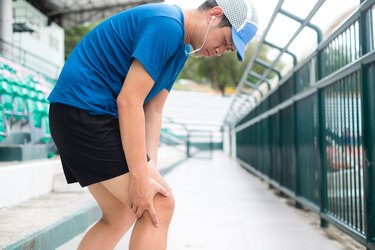
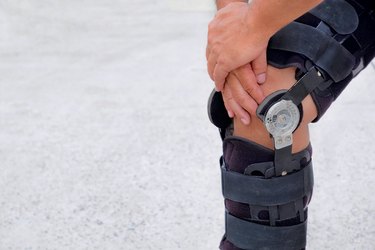
Shin splints occur when stiff or overworked muscles and tendons in the lower leg begin to pull on the tibia bone along the shin and the connective tissues around the bone. Many athletes, particularly runners, experience this painful injury. You can heal most cases of shin splints with rest and other simple remedies. If you do not address shin splints properly, however, the condition can get worse.

Rest

Don't try to run or perform high-impact exercise with shin splints, even if you have an important game or race coming up. Running through the pain can make the condition worse. As soon as you feel pain in your shins, rest your legs and avoid high-impact exercise for two to three days. Continue exercising with low-impact activities, such as biking, swimming laps or performing water aerobics. Take the elevator instead of the stairs whenever you can, and walk with crutches if the pain prevents you from walking comfortably.

Home Remedies

Icing the injured shins can relieve the pain and help them to heal, according to MayoClinic.com. Place ice packs wrapped in thin paper towels over your shins for 15-minute periods. Ice your shins four to eight times each day until the shin splints have healed. Reduce swelling in your shins by elevating your lower legs. Elevate your legs while you sleep for one or two nights. While your shins heal, you can relieve the pain with over-the-counter medications, such as aspirin or ibuprofen.

Remove Cause

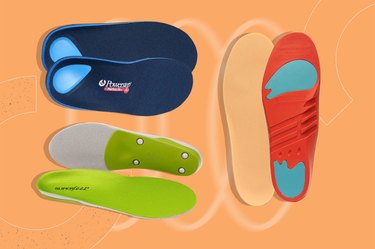
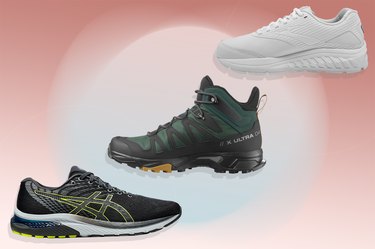
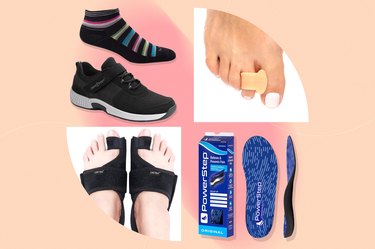
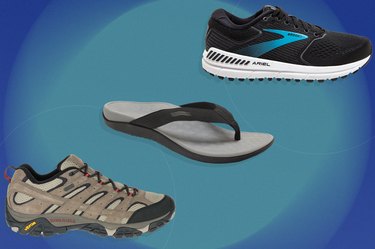
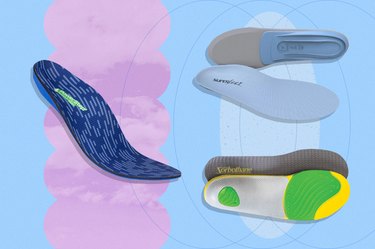
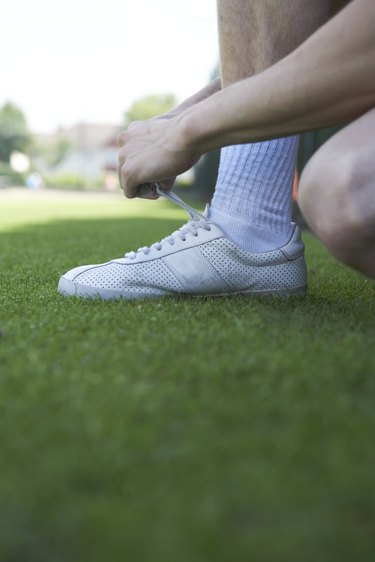
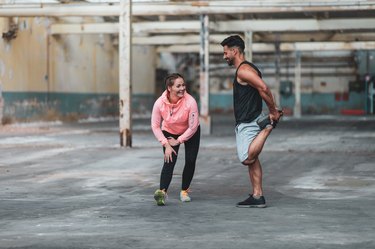
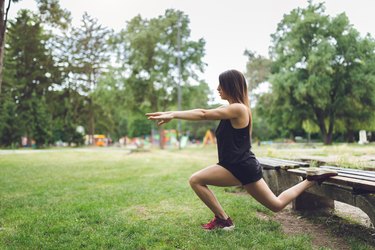
Take steps to avoid exacerbating your shin splints when you resume normal exercise as well as avoid getting shin splints again the future. Replace worn out running shoes, or consider adding insoles or arch supports to make your shoes more supportive and comfortable. Avoid running long distances on asphalt or pavement, and choose soft running trails instead if you can. Alternate between high-impact exercises and low-impact exercises to give your legs a break. Regularly stretch your lower leg muscles, including the calf muscles at the back of the leg and the tibialis anterior at the front, to increase their natural range of motion and lower the risk of overworking them. Strengthen your calf muscles with toe raises so that these muscles can withstand more impact and stress.

References

Article reviewed by Allen Cone Last updated on: Sep 2, 2010

Must see: Photo Galleries