









































Anxiety Relief Techniques

Anxiety is a feeling that has a good and a bad side to it. The feeling can be used to motivate you and respond to dangerous situations appropriately, but when your anxiety gets to a very high level, it can cause a major disruption in your daily life. Anxiety relief techniques can then be used to help keep you calm and to promote better coping skills.

Distraction

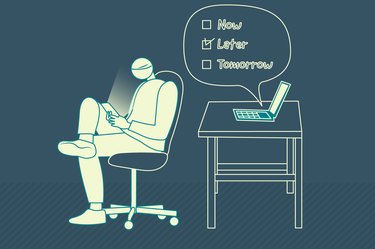
When you are feeling anxious about something, stop what you are doing and focus your attention on something else. For example, read a magazine or watch a TV show that interests you. Do anything that will take your mind off of what you are worrying about.

Avoidance

Stay away from drugs, stimulants and any other bad habit that can cause a mind altering effect. Examples are coffee, cigarettes, energy drinks, alcohol and illicit drugs. These can make you more restless, nervous, irritable and they can also effect your sleep patterns.

Socialize

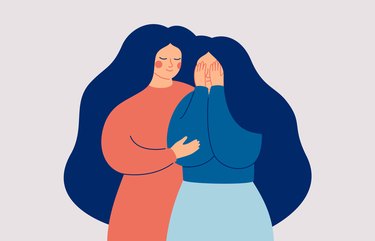
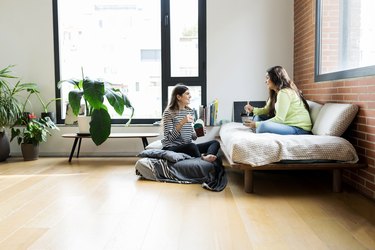
Alienating yourself from friends and family can cause you to think about your situation even more and exacerbate your anxiety. Talk to friends and family members often to create a diversion from your anxiety and to communicate with them about your problems.

Groups

Support groups can be an effective way to talk to other people that are struggling with anxiety as well. You can share similar experiences and give and receive feedback.

Massage

A massage therapist uses fingers, hands and fists to work out sore muscles and knots that might have developed due to prolonged stress. See a massage therapist to help reduce your anxiety and get into a more relaxed frame of mind.

Yoga

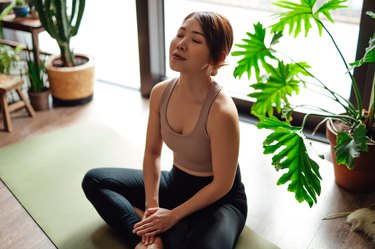
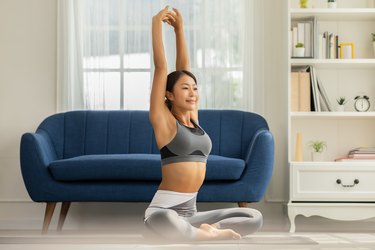
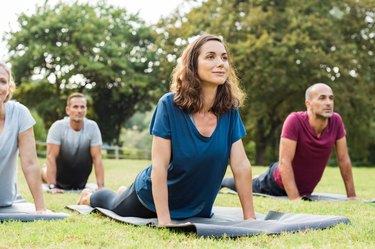
Yoga is a mind/body exercise that involves holding various positions for a set amount of time. When you perform yoga, you need to concentrate and breathe deeply, which can take your mind off of what it is that's bothering you and help you relax. Look for yoga classes at your local gyms or get a DVD and practice at home.

Exercise

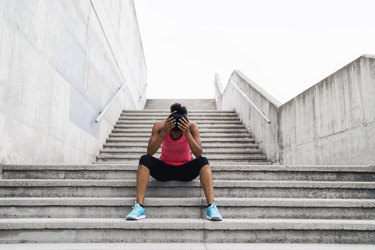
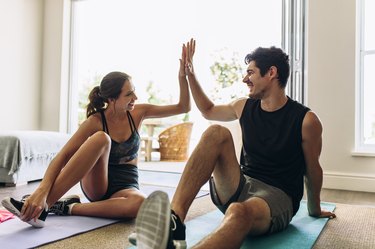
Exercise is already known for its many benefits to the body, such as weight control, better mobility, improved circulation and a reduction in disease risk. It can also help release endorphins, the mood-enhancing chemicals, and it can distract your mind and give you more confidence. Aim for 30 minutes of exercise three to five days a week. Examples include running, biking, weight training, swimming, stair stepping and walking.

References

Article reviewed by Roman Tsivkin Last updated on: Oct 27, 2009

Must see: Photo Galleries